.png)


Dr Arvind Mayaram is a former Finance Secretary to the Government of India, a senior policy advisor, and teaches public policy. He is also Chairman of the Institute of Development Studies, Jaipur.
October 26, 2026 at 4:11 AM IST
The rupee’s vulnerability is not simply the price India pays for the dollar’s global dominance. It also reflects unfinished structural reforms. These weaknesses place a disproportionate burden on the Reserve Bank of India. It can moderate exchange-rate volatility, but it cannot repair the underlying economy. Dollar-backed stablecoins could add to the pressure by making transfers into digital dollars faster and easier.
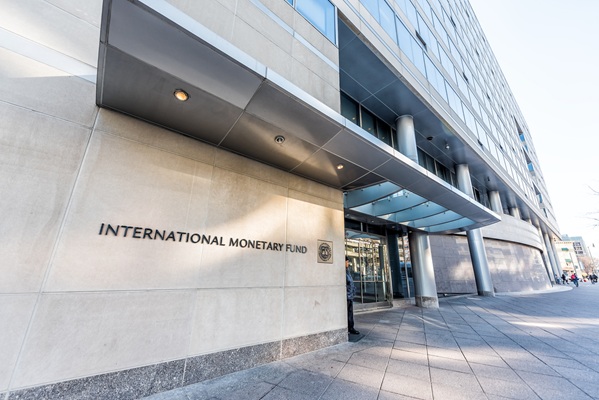
Two IMF working papers raise questions India cannot ignore. Stablecoins and the Future of Payments: Evidence from Financial Markets examines how US legislation supporting stablecoins could disrupt established payment companies. A separate study, Stablecoin Inflows and Spillovers to FX Markets, examines how stablecoin flows can spill over into conventional foreign-exchange markets. Together, they raise a crucial question: could digital payments make dollar exposure easier to acquire just as the rupee needs stronger economic foundations?
The Rupee’s Domestic Vulnerabilities
Slow progress on power-sector reform, distortions in fuel taxation and high input costs burden Indian producers. Expensive or unreliable electricity and high logistics costs weaken competitiveness, constrain manufacturing exports and make imported inputs harder to replace. These problems affect productivity, the trade balance and, over time, demand for foreign exchange.
When government spending carries too much of the burden of sustaining growth, fiscal space narrows, and the economy risks relying on public demand instead of a stronger cycle of private investment, productivity and exports.
The RBI can smooth disorderly exchange-rate movements, manage liquidity and influence financial conditions. It cannot make the economy more competitive through interest-rate policy. Higher rates may attract capital, but they also raise borrowing costs. Selling foreign-exchange reserves can ease pressure temporarily but cannot permanently offset structural weaknesses. India’s exposure to the dollar is therefore shaped by global conditions and by the strength—or weakness—of its own productive economy.
Washington’s Digital-Dollar Strategy
By giving permitted issuers clearer rules, the United States is creating conditions for wider use of dollar-backed digital money in payments and settlement. The US administration has linked the legislation to strengthening the dollar’s international role. Reserves held by stablecoin issuers may also support demand for dollar assets, including short-term US Treasury securities. For India, stablecoin regulation is not just a matter of financial supervision; it has implications for monetary strategy and international competitiveness.
When Dollarisation Becomes Digital
They can move across borders quickly and may reduce some settlement costs. But the same convenience could make it easier for households to shift savings from rupees into digital dollars, or for businesses to hold dollar tokens outside domestic banking channels.
The exchange-rate effect depends on how the transaction is funded. If an Indian buyer sells rupees to acquire dollar stablecoins, the resulting dollar demand can put additional downward pressure on the rupee. If the buyer uses dollars already held abroad, the immediate impact on India’s foreign-exchange market may be limited. Stablecoins could also weaken safeguards if used to bypass rules governing money moving into and out of India.
The IMF’s research on stablecoin inflows documents spillovers from stablecoin markets into conventional foreign-exchange markets. It does not provide a precise estimate of the effect on India. The sensible conclusion is not that stablecoins explain the rupee’s past depreciation, but that they could become an additional channel for transmitting existing pressures.
Five Guardrails for a Future-Ready Rupee
Second, regulate the gateways. Exchanges, custodians, payment providers and firms converting stablecoins into rupees should meet clear licensing, reporting and anti-money-laundering requirements. Stablecoin transactions must not become a way around FEMA, tax obligations or applicable rules on cross-border capital movements.
Third, protect users and the financial system. Stablecoins permitted for payment use should have transparent, high-quality reserves, enforceable redemption rights, independent checks and clear arrangements for insolvency. Users must understand that a private token is not sovereign money or a guaranteed bank deposit.
Fourth, track flows that matter. The RBI and other authorities should monitor purchases and redemptions of dollar stablecoins by Indian residents, offshore price premiums and signs that rupee deposits are moving into digital dollars. Coordination with foreign regulators is essential because issuers, reserves and users may be in different countries.
Fifth, expand the international use of the rupee. India should make it easier for trading partners to invoice, pay, and settle transactions in rupees, supported by stronger links between payment systems, the digital rupee, and regulated banks, to make rupee-based transactions as reliable, efficient, and cost-effective as dollar-based alternatives.
Monetary Sovereignty Must be Earned
India’s priority should be to build a competitive rupee-based cross-border payments network, connecting UPI, the digital rupee and regulated banks with willing trading partners. That effort must go hand in hand with power-sector reform, sensible fuel taxation, stronger private investment, better employment growth and more competitive exports. The aim is to reduce avoidable dependence on dollar funding while making the rupee easier to use internationally.
India's challenge in the age of digital dollarisation is to ensure that the convenience of digital payments does not deepen dependence on the dollar. As stablecoins make digital dollars easier to hold and transfer across borders, India must strengthen regulatory guardrails, monitor cross-border flows and make rupee-based transactions more attractive internationally. The objective is to ensure that financial innovation does not come at the cost of monetary sovereignty. The rupee’s future will increasingly depend on whether it can serve as a practical, trusted, and accessible currency in the digital world.
More From BasisPoint