


The RBI is being judged through theoretical abstractions, comparisons, and shallow critiques. It is a hard task to keep one of the world’s most complex emerging economies stable.
Srinath Sridharan
RBI’s record surplus points to a deeper shift, with its balance sheet increasingly tied to government debt and fiscal expectations.
R. Gurumurthy
RBI should hold rates and use communication, liquidity tools and FX operations to manage oil-led inflation and rupee volatility without adding pressure on growth and new credit risks.
Sachchidanand Shukla
The difference between confusion and clarity is often not intelligence but context. Sometimes understanding begins with the right frame.
Phynix
iStock.com
The macro backdrop has deteriorated materially since April. But the case for a June rate hike is weaker than the market noise suggests.
Radhika Piplani
BasisPoint Insight
External shocks will come and go. The real test of an economy is whether its institutions, productivity and competitiveness are strong enough to withstand them.
India must shift from bank-led infrastructure finance to deeper bond markets that price risk transparently and recycle long-term savings into new assets.
Arvind Mayaram
The government think tank must focus on trendspotting and as an economic research hub, on tracking geopolitical developments, economic vulnerabilities, social compulsions, and potential risks.
Sharmila Kantha
istock.com
The alleged practices at HDFC Bank raise larger questions. Can commercially accepted market behaviours evolve into governance risks before institutions are willing to confront them openly?
As inflation risks mount and the rupee weakens, questions grow over whether the RBI delayed policy action despite warning signals.
Abhiman Das
Smita Roy Trivedi
Falling FX assets and rising forward dollar liabilities erode deployable reserves.
Richard Fargose
While existing policy frameworks are not built to handle CBDCs, the questions they raise on the singleness of money to central bank independence could define the future of public money.
Utsav Saksena
India recognised the AI copyright challenge early. Delaying action now risks weakening creators, stalling AI growth and surrendering leverage globally.
Pranav Rai
After four decades at the RBI, Michael Patra enters classroom and traces how central banks evolved to safeguard trust, stability and confidence in this new Masterclass series.
Michael Debabrata Patra
nibmindia.org
A weakening rupee, energy shocks and fragile institutions reveal that the distance between living well and growing fast has never felt wider.
RBI’s record dividend will ease liquidity for now, but cash leakage and dollar sales mean durable OMO purchases may need to resume later in 2026-27.
Gaura Sen Gupta
Rupee weakness exposes India’s dependence on consumption-led growth, as energy imports, fading capital inflows and weak technology leverage deepen external vulnerabilities.
Yield Scribe
Istock.com
Michael Patra is an economist and former RBI Deputy Governor.
Arun is a seasoned writer on economic and policy matters.
Abheek is an Independent Economist and the Former Chief Economist at HDFC Bank.
Ajay Srivastava is the founder of the Global Trade Research Initiative.
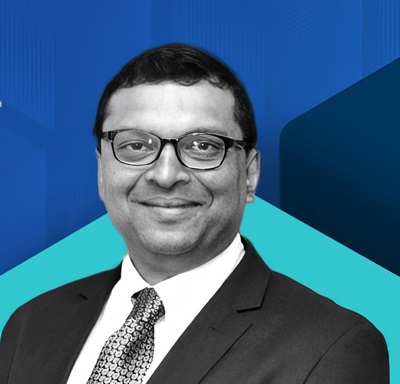
Vijay Singh Chauhan, a former IRS official, is a Senior Visiting Fellow at ICPP, Ashoka University
Dhananjay, a D-School alum, is CEO and Co-Head of Equities at Systematix Group.
Kriti is a psychologist specialising in mental health, org behaviour, and brand strategy
Srinath is an author, corporate advisor, and independent director on corporate boards.
Ex-civil servant Chavaly held key Railways, Finance roles; specialises in infra & PPPs
Nilanjan Banik, Professor at Mahindra University, specialises in trade and development economics.
Rahul Ghosh is a banking and risk expert.
Rajesh Mahapatra is the former Editor of The Press Trust of India
Krishnadevan is Editorial Director at BasisPoint Insight.
Chandra advises companies on big-picture narratives on strategy and markets.
Kalyan Ram co-founded Cogencis. He now leads BasisPoint Insight.
Gurumurthy is an ex-central banker who handled markets, and later, financial stability for RBI.
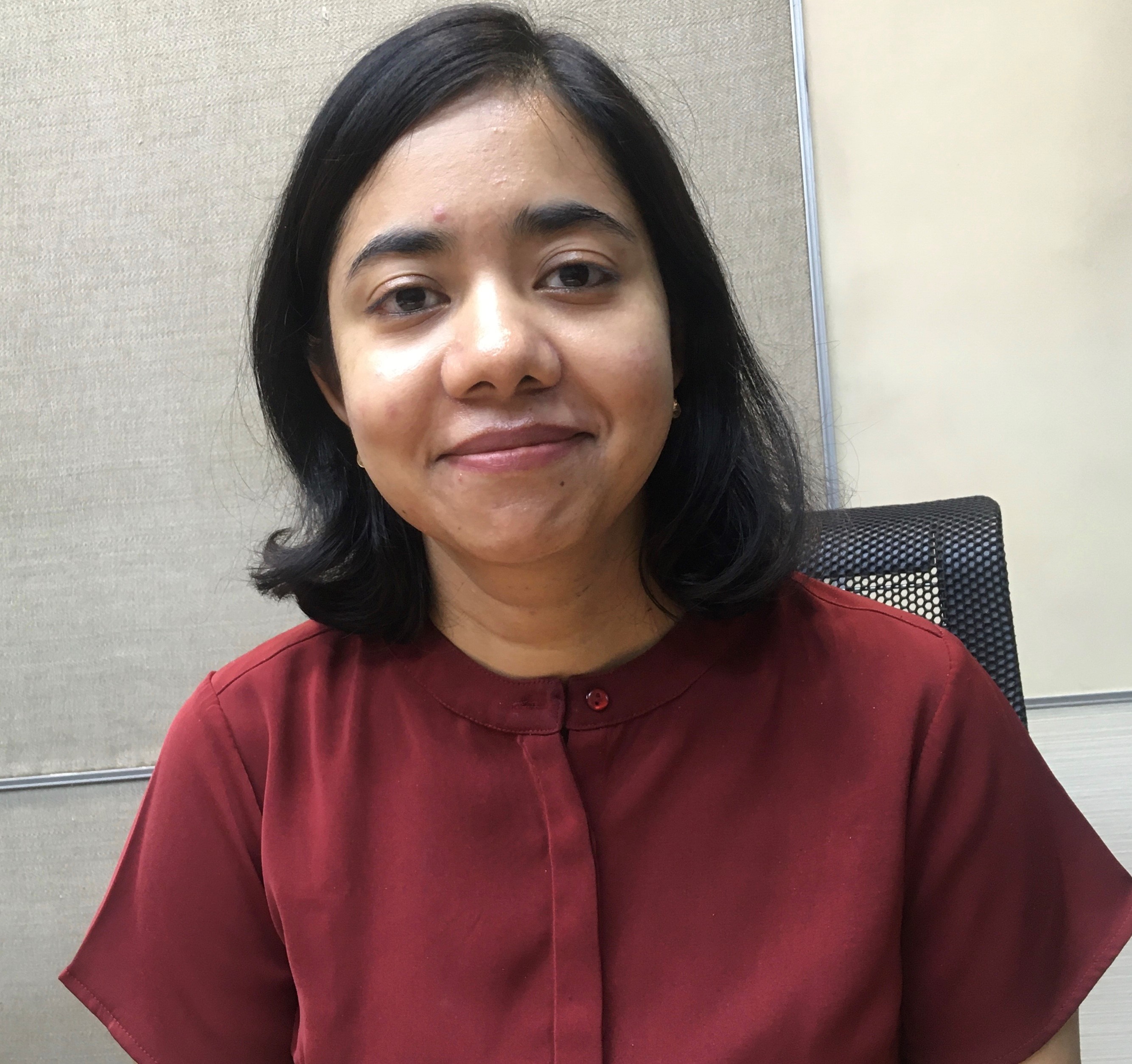
Arvind Mayaram, former Finance Secretary, is Chairman of the Institute of Development Studies, Jaipur.