





For now, it is far from clear how widely and quickly AI will be rolled out, and who will profit.
Raghuram Rajan
Via WikiCommons
The macro backdrop has deteriorated materially since April. But the case for a June rate hike is weaker than the market noise suggests.
Radhika Piplani
The imminent US-Iran deal discusses the ownership of the Strait of Hormuz for the first time in 100 years — a victorious assertion of regional hegemony by Iran, something inconceivable three months ago.
Rajesh Ramachandran
istock.com
BasisPoint Insight
The relationship between India and the US is becoming more transactional. It clearly now involves hard bargaining between two powers whose interests converge enough to cooperate and diverge enough to keep score.
Deep Pal
Freddie Everett/Via Wikicommons
The West Asia crisis has exposed vulnerabilities India ignored for years as electoral calculations repeatedly outweighed economic reform.
Avanti Bhati
Istock.com
Trade fragmentation under Trump 2.0 is not merely an economic setback. It quietly accelerates emissions, disrupts green incentives, and unravels climate progress.
Anshuman Gupta
External shocks will come and go. The real test of an economy is whether its institutions, productivity and competitiveness are strong enough to withstand them.
R. Gurumurthy
iStock.com
India must shift from bank-led infrastructure finance to deeper bond markets that price risk transparently and recycle long-term savings into new assets.
Arvind Mayaram
TVK's emergence as Tamil Nadu's single-largest party signals that voters are willing to test whether a corruption-free politics can also deliver real welfare.
Satya Mohanty
tvkvijay.com
As older theatres of global engagement turn turbulent, Indo-Pacific is emerging as the natural arena of future connectivity. For India, rediscovering the Bay of Bengal as a civilisational bridge may be key to reinvigorating its Act East policy.
Lt Gen Syed Ata Hasnain (Retd)
Your weekly rundown of significant judicial rulings and legal battles influencing policy, companies, regulation, and governance
Wikimedia Commons
RBI can smooth rupee volatility, but lasting stability needs a coordinated fiscal, reform and external-sector response from the government.
Rising inflation, weaker repayment capacity and supply disruptions from the West Asia crisis could force banks to recalibrate credit risk management.
K. Srinivasa Rao
AT1 bonds were meant to spare taxpayers by making investors absorb bank losses, but in crises they often become the selective sacrifice layer.
A weakening rupee, energy shocks and fragile institutions reveal that the distance between living well and growing fast has never felt wider.
Phynix
Michael Patra is an economist and former RBI Deputy Governor.
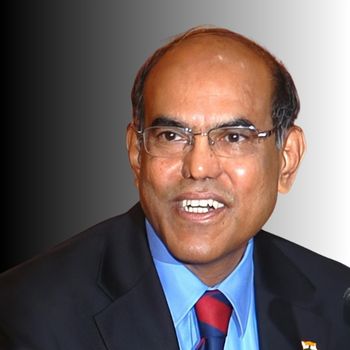
Arun is a seasoned writer on economic and policy matters.
Abheek is an Independent Economist and the Former Chief Economist at HDFC Bank.
Ajay Srivastava is the founder of the Global Trade Research Initiative.
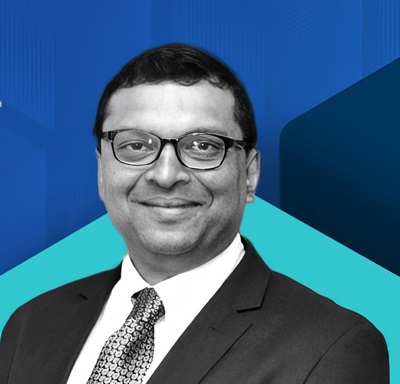
Vijay Singh Chauhan, a former IRS official, is a Senior Visiting Fellow at ICPP, Ashoka University
Dhananjay, a D-School alum, is CEO and Co-Head of Equities at Systematix Group.
Kriti is a psychologist specialising in mental health, org behaviour, and brand strategy
Srinath is an author, corporate advisor, and independent director on corporate boards.
Ex-civil servant Chavaly held key Railways, Finance roles; specialises in infra & PPPs
Nilanjan Banik, Professor at Mahindra University, specialises in trade and development economics.
Rahul Ghosh is a banking and risk expert.
Rajesh Mahapatra is the former Editor of The Press Trust of India
Krishnadevan is Editorial Director at BasisPoint Insight.
Chandra advises companies on big-picture narratives on strategy and markets.
Kalyan Ram co-founded Cogencis. He now leads BasisPoint Insight.
Gurumurthy is an ex-central banker who handled markets, and later, financial stability for RBI.
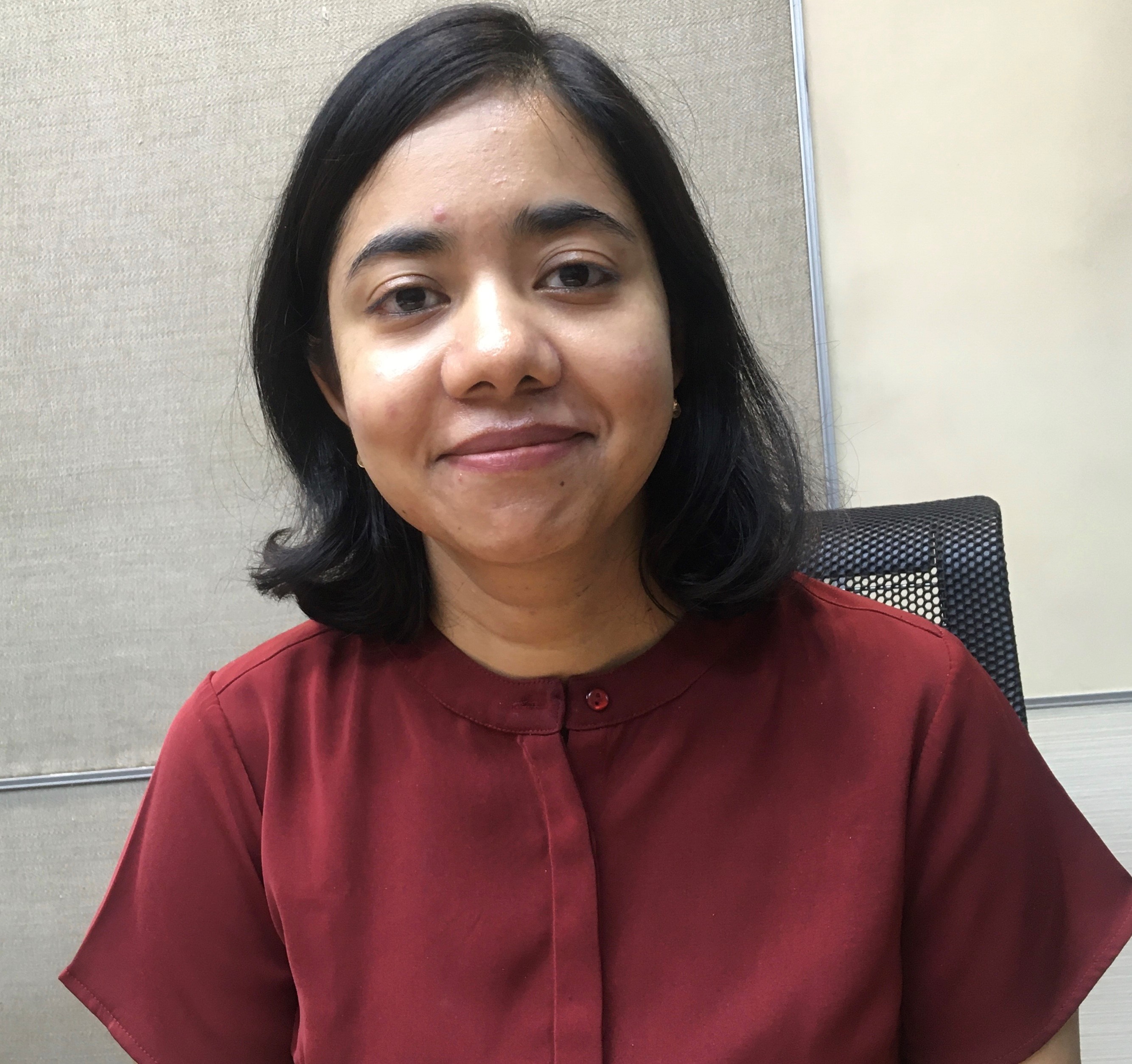
Arvind Mayaram, former Finance Secretary, is Chairman of the Institute of Development Studies, Jaipur.