
By midlife, time is not the scarce resource. Energy is. The smartest adults are no longer managing calendars. They are managing themselves.
Srinath Sridharan
iStock.com
Not on Wall Street. On Trinity Street, Cambridge, UK — a generation before Buffett and Munger, forty years before behavioural finance had a name.
Chandrika Soyantar
Via WikiCommons
An unexpected encounter with nostalgia in its purest form.
Kalyani Srinath
Istock.com
Even a simple message has shaped into a small act of editing, restraint, and quiet calculation.
istock.com
While Alia Bhatt was being ignored on Cannes’ red carpet, a small dinner gathering was unfolding in Lisbon. The two, strangely enough, are not unrelated.
Kirti Tarang Pande
Sometimes the smallest moments awaken the oldest parts of ourselves.
Middle-aged Indians increasingly complain about exhaustion, sleep cycles and lack of time. Yet the same people can spend forty extra minutes near lifts, gates and parked cars discussing digestion, children and property prices after already saying goodbye three times.
Despite years of policy, why does inclusion still feel uneven and tiring for those it should help? Because we are focused on identities when we should be training responses.
Somewhere between an overwhelming to do list and mid-life enveloping you, things start to feel off. No single moment tips it. It just keeps adding up
In urban India, middle-aged adults still attend weddings, dinners and house parties, but quietly plan when to leave. Early exits have become a practical way to manage time, energy and social expectations without offending anyone.
Who are the invisible operators of the economy—informal, unregistered, yet critical to the daily functioning of urban India?
Even a simple message, has shaped into a small act of editing, restraint, and quiet calculation.
By middle age, we stop saying yes or no. We learn something far more useful, and far more polite.
Treating homes as assets, not sanctuaries, has warped markets and minds alike, fueling anxiety, and a deeper crisis of belonging.
We begin life intellectually prepared and emotionally untested. Middle age quietly reverses that order, offering clarity, calm, and a deeper way of living that few earlier years can provide.
When food is more than sustenance
A psychologist’s open letter on Trump’s public language, and the questions every leader must ask before communicating for influence in high-pressure situations.
We are living with mirrors but without reflections. We think we are expanding our thinking when we are just validating our identity. And identity, unlike thinking, doesn´t like to be challenged.
Alvarez/Istock.com
Teenagers, of today, do not just test parental patience. They expose parental habits, hypocrisies, and old authority that no longer works. Adolescence is the stage when Indian parents are finally forced to unlearn control and relearn respect.
When sharing becomes effortless, are we still asking who agreed, who is seen, and what remains private in a world where moments no longer stay within their original circle?
Michael Patra is an economist and former RBI Deputy Governor.
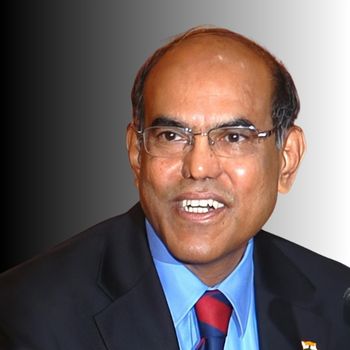
Arun is a seasoned writer on economic and policy matters.
Abheek is an Independent Economist and the Former Chief Economist at HDFC Bank.
Ajay Srivastava is the founder of the Global Trade Research Initiative.
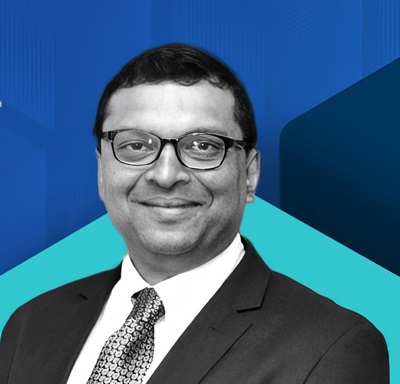
Vijay Singh Chauhan, a former IRS official, is a Senior Visiting Fellow at ICPP, Ashoka University
Dhananjay, a D-School alum, is CEO and Co-Head of Equities at Systematix Group.
Kriti is a psychologist specialising in mental health, org behaviour, and brand strategy
Srinath is an author, corporate advisor, and independent director on corporate boards.
Ex-civil servant Chavaly held key Railways, Finance roles; specialises in infra & PPPs
Nilanjan Banik, Professor at Mahindra University, specialises in trade and development economics.
Rahul Ghosh is a banking and risk expert.
Rajesh Mahapatra is the former Editor of The Press Trust of India
Krishnadevan is Editorial Director at BasisPoint Insight.
Chandra advises companies on big-picture narratives on strategy and markets.
Kalyan Ram co-founded Cogencis. He now leads BasisPoint Insight.
Gurumurthy is an ex-central banker who handled markets, and later, financial stability for RBI.
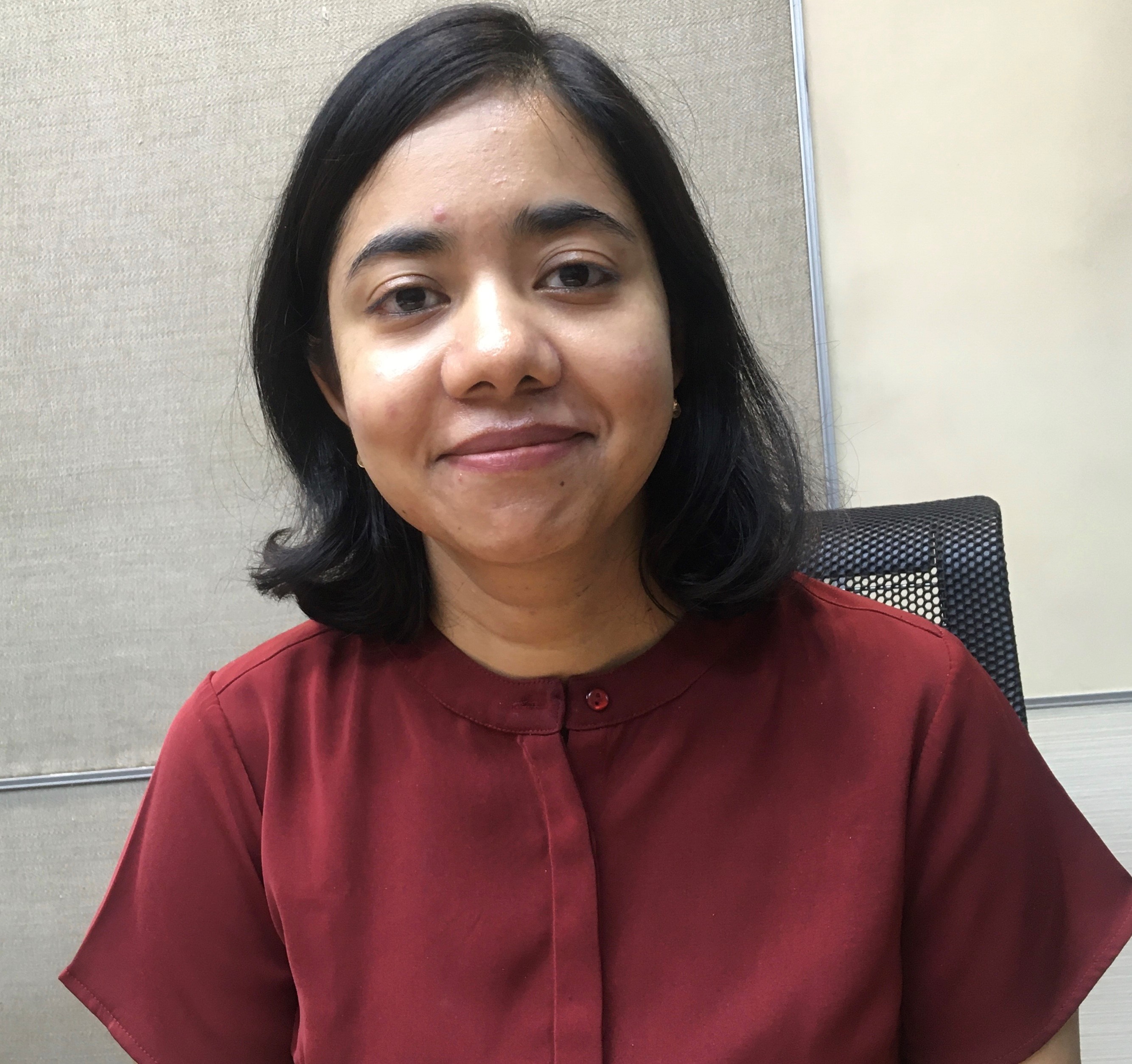
Arvind Mayaram, former Finance Secretary, is Chairman of the Institute of Development Studies, Jaipur.