.png)

Rishikesh Patel has managed over $5 billion in portfolio in India and other Emerging Markets on behalf of pension funds, endowments, family offices and government-pooled vehicles.
Krishnadevan is Editorial Director at BasisPoint Insight. He has worked in the equity markets, and been a journalist at ET, AFX News, Reuters TV and Cogencis.
October 3, 2026 at 3:56 AM IST
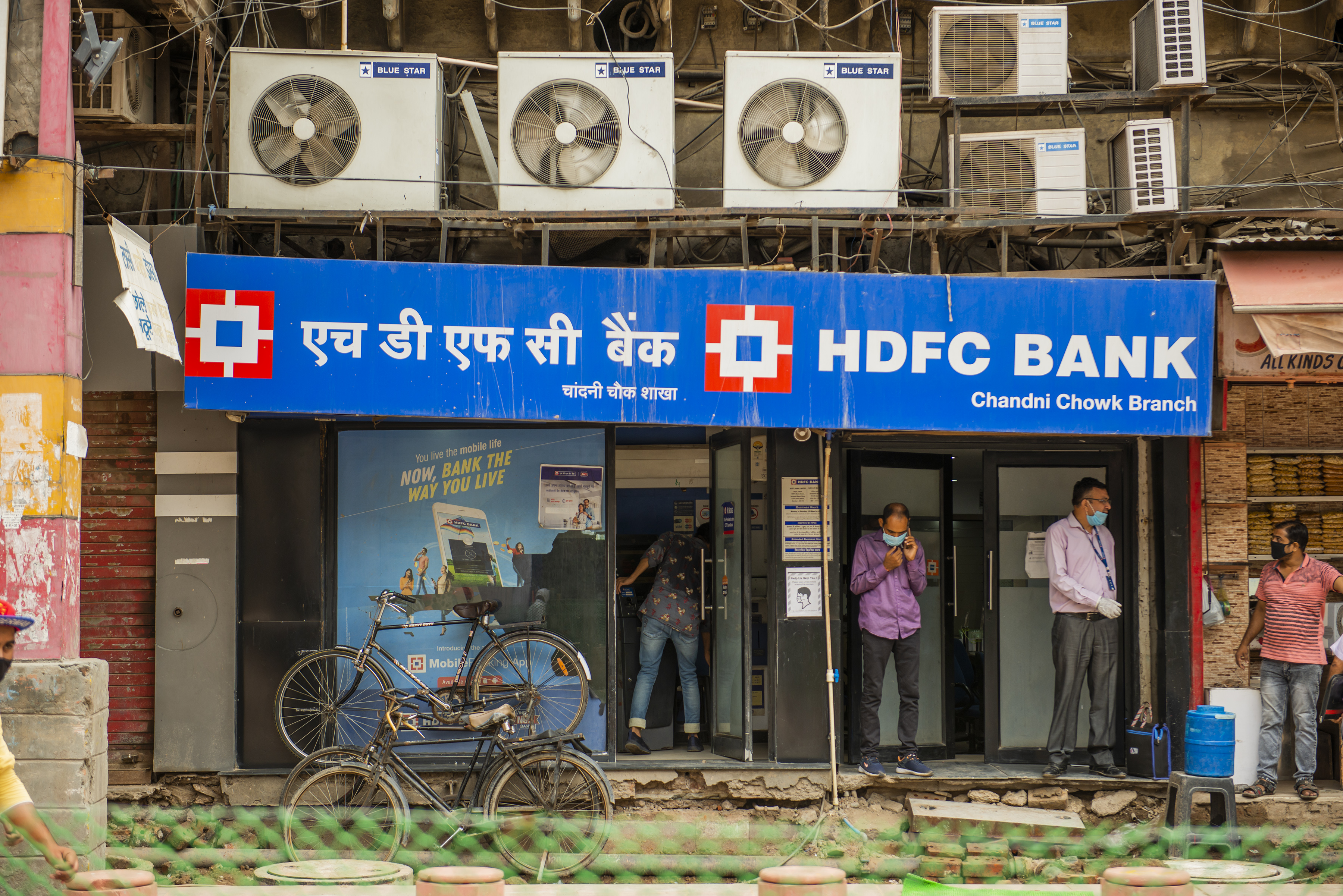
HDFC Bank and Kotak Mahindra Bank named their next chief executives on the same day. Both spent substantial parts of their careers at ICICI Bank. Anup Bagchi, currently head of ICICI Prudential Life Insurance, is due to take charge of HDFC Bank on 27 October. Kotak’s Anup Kumar Saha, already an executive director at the bank, is set to become its chief executive on 1 January 2027.
Saha spent 14 years at ICICI Bank between May 2003 and June 2017. During his stint there, he held senior roles across retail secured assets, business intelligence, retail and rural collections, credit cards and retail structured finance. He also served as a nominee director of ICICI Bank on the boards of TransUnion CIBIL and ICICI Home Finance.
The appointment deserves a pause. HDFC Bank and ICICI Bank are the RBI’s only domestic systemically important private sector banks. For much of its history, HDFC Bank commanded a valuation premium over ICICI Bank. Now it has chosen a leader developed within its rival’s ranks.
Bagchi’s arrival is the most visible example of a wider pattern. V. Vaidyanathan runs IDFC FIRST Bank, Rajiv Sabharwal heads Tata Capital, Vishakha Mulye leads Aditya Birla Capital and Vijay Chandok runs NSDL. ICICI alumni lead businesses that lend, distribute financial products and operate the systems through which investors hold securities. The range of jobs matters more than the length of the roll-call.
Kotak Mahindra Bank supplied another example on the same day it named Anup Kumar Saha its next chief executive, effective 1 January 2027. Saha spent 14 years at ICICI Bank, working across retail lending, credit cards and collections, before moving to Bajaj Finance and later Kotak. His route was different from Bagchi’s, but both appointments put substantial ICICI experience behind the top job at a major rival bank.
Hindustan Unilever has long been seen as a training ground for consumer-company leaders. ICICI invites a similar comparison in finance, although the work that prepares its executives is different. HUL gives managers exposure to brands, distribution and consumer behaviour. ICICI’s businesses span banking, insurance, securities, investment management and venture capital, where the challenge is to grow while judging credit, capital, pricing and regulatory risk.
ICICI’s breadth gives a board something more useful than a prestigious name. It offers a record of how an executive handled different businesses and trade-offs. A board can examine how that person pursued growth, responded to funding pressures, dealt with regulation and allocated capital. Whether those lessons will and can be executed in a new institution remains to be seen.
The HUL analogy works only up to this point. Both groups can give managers responsibility at scale. The leadership demands are not interchangeable. In consumer goods, a manager may be judged by the ability to build brands and distribution profitably. In finance, apparent growth can hide decisions whose cost and ramifications emerge much later.
Reputation Meets Reality
HDFC Bank’s appointment therefore records a board’s confidence in Bagchi’s experience, not a verdict on its own internal bench or a promise about future results. The bank reportedly considered deputy managing director Kaizad Bharucha as an internal candidate. Bagchi’s selection shows who won the role; it does not reveal why every alternative fell short.
For years, HDFC Bank commanded a valuation premium over ICICI Bank. That order has reversed. In a recent report, Jefferies put HDFC Bank at a 26% discount to ICICI on 2026-27 estimated price to adjusted book value, compared with an 11% discount in March. The gap is not a verdict on the two banks’ leadership alone, but it gives Bagchi’s appointment an edge that an alumni list cannot.
HDFC Bank has turned to a leader trained across the businesses of the rival investors now value more highly. He will not bring ICICI’s balance sheet or culture with him, and his appointment cannot restore a premium by itself. HDFC has hired his experience; it must now see whether he can put it to work.
More From BasisPoint