SBI Cards’ April-June quarter will soothe investors. Profit is up 20% year-on-year, return on assets is nearing 4%, and net NPAs sit below 1%. This looks like prudent growth in unsecured lending. Yet, the system in which it operates looks less prudent. TransUnion CIBIL’s data show that Indian card growth increasingly comes from borrowers who hold several cards and loans. Anyone buying the numbers is betting that SBI Cards can profit from High-Exposure India without becoming High-Exposure India itself.
SBI Cards is moving deeper into India’s multi-loan, multi-card credit market because that is where the wallet and the yield now sit. It is not merely avoiding risk. It is trying to manage it by pushing EMIs instead of pure revolving credit, using SBI’s distribution and data, and refusing to loosen credit models while peers pursue volume.
Credit information bureau TransUnion CIBIL’s numbers show how the market has changed. Over the past decade, card balances have risen more than eight-fold, live cards more than five-fold and carded consumers roughly three-and-a-half times. Yet, cards now account for a smaller share of unsecured, consumption-led credit as small-ticket personal loans and consumer-durable finance have grown. The typical cardholder no longer relies on one product.
More borrowers already hold another loan when they swipe. CIBIL groups them as Card-centric, Diversified and High Exposure, a distinction that may tell investors more than a single NPA print.
Card-centric users treat the card as their main unsecured line. Diversified users combine cards with small personal loans and consumer durables. High-Exposure users either use several cards heavily or hold high limits alongside multiple small loans.
These groups carry higher balances, and more borrowers fall behind on repayments. Portfolio-wide 90-plus DPD sits a little above 2%, but rises for High-Exposure and Diversified borrowers, particularly after they have built up card history and taken several personal loans. Card issuers now find much of their growth where borrowers repay least reliably.
The Trade-off
SBI Cards is not avoiding this market. It is trying to profit from it. Its mix of banca and open-market sourcing keeps new card issuance high. The management has resumed raising limits for eligible customers after a conservative phase, while revolve rates have edged down as the company converts more spending into EMIs.
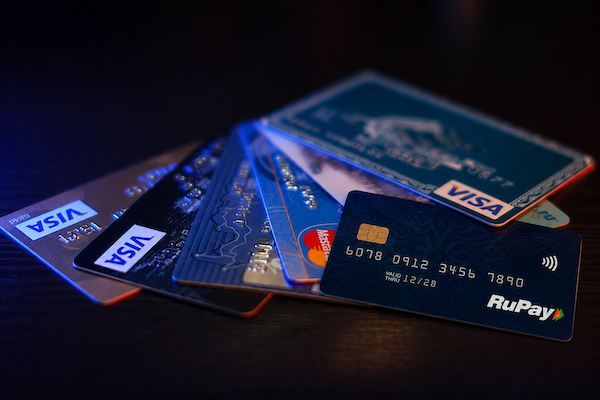
OEM alliances, payment-gateway partnerships and in-app prompts that place “pay in EMI” next to “pay now” encourage customers to pay in instalments. RuPay credit cards on UPI can also make the card useful for routine spending in smaller cities, rather than merely for occasional purchases.
That creates a problem as well as an opportunity. The borrowers who drive balance growth may also wobble first when cash flows tighten. In a multi-product wallet, the card no longer has a guaranteed claim on the first rupee of repayment.
CIBIL finds that borrowers with consumer-durable and high-ticket personal loans often pay their cards later, showing that repayment priorities can shift.
SBI Cards does not act as if this risk has vanished. It has tightened its underwriting over the past two years and used overlays only after portfolio data improved. Management has also resisted aggressively relaunching PL-on-card for new customers even as competitors use that product. It says it will not loosen its expected-credit-loss model simply because NPAs and Stage-2 exposures have improved.
Risk now depends on the customer’s whole credit wallet, not the card alone. SBI Cards responds by converting spending into EMIs, setting limits selectively, tightening underwriting and setting aside provisions. It wants growth without taking on all the risk that comes with it.
Policymakers should respond to that shift. If growth sits inside wallets rather than products, regulators should require issuers to disclose how receivables are distributed across borrower groups and how many customers hold several personal loans alongside cards. Counting cards alone reveals little about the risk that may be building behind them.
Investors should also look beyond ROA, NIM and the latest NPA print. They should watch overlays, changes in underwriting, EMI conversion and limit increases. Those measures will show whether SBI Cards is still managing risk before it reaches the P&L.
SBI Cards is trying to draw more income from a crowded credit wallet without taking on all of its risk. The test is not how many cards it issues, but whether its controls stay ahead of the customers it most wants to acquire.
(This column reflects the author's personal views and is based on publicly available information. It is intended for general commentary and analytical purposes only and should not be construed as investment advice.)
.png)