.png)


Ajay Srivastava, founder of Global Trade Research Initiative, is an ex-Indian Trade Service officer with expertise in WTO and FTA negotiations.
October 5, 2026 at 2:00 PM IST
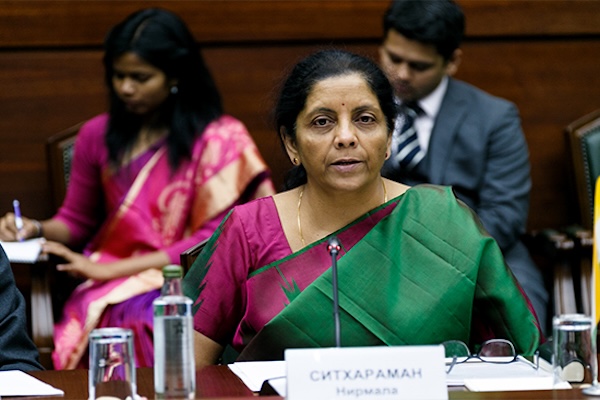
On October 5, Finance Minister Nirmala Sitharaman said India-US trade talks had reached a “plateau”, with further give and take difficult for both countries. Four days earlier, after meeting USTR Jamieson Greer in Milwaukee, Commerce Minister Piyush Goyal said India was ready to finalise an early, balanced and mutually beneficial interim agreement under the February 6 framework. Goyal signalled readiness to close the deal, while Sitharaman stressed the limits on further concessions. Her remarks could also suggest signing an interim agreement covering only what both sides have already agreed.
Whether the US is seeking concessions beyond the February 6 framework remains unknown.
The central reason the deal is delayed is the lack of clarity on what tariff level the US is offering India after the Supreme Court judgment. The February 6, 2026 framework offered to reduce India’s reciprocal tariff from 25% to 18% in return for major Indian concessions.
But on February 20, the US Supreme Court struck down that tariff regime, leaving the US offer without its original basis. Washington has yet to clarify the new tariff. Meanwhile, it has imposed a 10% forced-labour tariff on India despite India’s forced-labour import ban. Until the US offer is clear, claims that the deal is nearly complete mean little.
| Sitharaman’s “plateau” remark and Goyal’s readiness to sign may point to an interim deal limited to what both sides have already agreed. |
| The US tariff offer remains unclear after the Supreme Court struck down the reciprocal tariff regime. |
| Trade would continue without a deal, though tariff uncertainty would complicate exporters’ business decisions. |
| India should sign only for lasting tariff gains and credible protection against arbitrary increases. |
| Unilateral concessions without reciprocal gains weaken India’s bargaining power and reduce Washington’s need for a deal. |
Trade Would Continue Without a Deal
No deal would not stop trade. Indian exporters would continue trading under existing rules, although uncertainty would make pricing, contracts and investment decisions harder.
The bigger risk is fresh US tariffs over Russian oil purchases or alleged excess manufacturing capacity. But signing a trade deal may not prevent new tariffs. US has imposed new tariffs on the EU, Japan and South Korea after signing trade deals.
India should sign only if the deal provides a lasting tariff advantage and credible protection against arbitrary tariff increases. The February 6 framework sought major Indian concessions. Accepting them without secure benefits would leave India worse off. India should be in no hurry. Without clear and lasting gains, it is better off without the deal.
Stop Giving Concessions Without Reciprocal Gains
India should also stop granting major unilateral concessions to the US while the trade deal remains unfinished. Over the past two years, India has cut duties on products of US interest—including motorcycles, bourbon, some pharmaceuticals and Ethernet switches—allowed FDI in inventory-based e-commerce for exports, and scrapped the equalization levy on foreign platforms. From October 15, UPI fees would weaken India’s free payment system, benefiting Visa and Mastercard. Each concession granted without reciprocal gains reduces India’s bargaining power. Why would Washington need a trade deal if India keeps meeting its major demands for free?
More From BasisPoint