.png)


Ajay Srivastava, founder of Global Trade Research Initiative, is an ex-Indian Trade Service officer with expertise in WTO and FTA negotiations.
November 4, 2026 at 7:30 AM IST
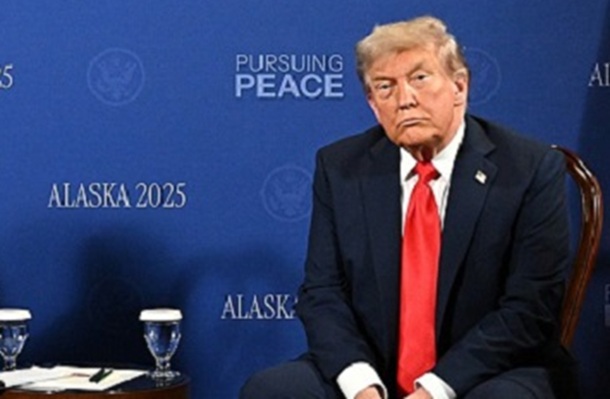
The midterm results in the US are a setback for President Donald Trump, but it won’t change his trade direction because both Democrats and Republicans now favour economic nationalism, domestic manufacturing, and strong supply chains.
Since Democratic lawmakers also support protective tariffs for local union workers, America’s overall trade posture will remain intact.
To act without Congress, the president will continue to rely on existing powers—such as Section 232 and Section 301—using executive orders, Treasury sanctions, and USTR rules to apply unilateral trade pressure.
With foreign policy leverage failing against Russia, China, and Iran, Trump needs a quick win. Expect heightened pressure on India for a trade deal to prove American clout.
| A midterm setback is unlikely to change America’s protectionist trade direction. |
| Trump may intensify pressure on India to secure a quick trade deal and demonstrate strength. |
| The proposed framework asks India to cut tariffs while the U.S. retains its regular MFN duties. |
| India faces major purchase and policy commitments, alongside continued risks of additional U.S. tariffs. |
| The deal could breach India’s WTO commitments and weaken India’s negotiating position. |
Trade Deal
Leaders on both sides have been saying for months that the trade deal is almost ready, though its completion was likely delayed because the US offer remained unclear. Trump will now use his executive powers to pressure India for a quick deal that secures market access for US agricultural and industrial goods, alongside other major concessions for US companies.
The trade deal India is negotiating with the US differs fundamentally from all other FTAs India has signed. In standard trade agreements, both countries cut or remove their regular WTO import duties, known as Most Favoured Nation tariffs. Under the US–India framework, Washington will retain its MFN tariffs, while India must eliminate or reduce its MFN tariffs on most industrial goods and many agricultural products.
Under the February 6 US–India Joint Statement, India will also align its security and economic policies with Washington, commit to buying $500 billion in US goods over five years, and ease domestic regulatory oversight of American imports.
In exchange, the US offers no direct reciprocal concessions. Instead, Washington may be using tariff threats—particularly over India’s Russian oil purchases under the Graham Act and Section 301—to force compliance. Even if India signs the deal, the US could still impose additional tariffs of 15% to 18% on top of regular MFN rates. The deal will essentially be economic coercion.
Previously, the White House in April 2025 imposed reciprocal tariffs through executive action and offered to cut these additional levies—not standard MFN duties—to pressure major trade partners such as Japan, the EU, the UK, South Korea, Vietnam, Malaysia etc into signing unequal deals. India followed a similar path, securing a February 6 Joint Statement in which the US pledged to lower reciprocal duties from 25% to 18%. However, the US Supreme Court’s February 20 ruling in Learning Resources, Inc. v. Trump struck down those executive reciprocal tariffs under the IEEPA, removing Washington’s main bargaining tool overnight.
With that ruling, the US lost its main concession, prompting other countries to stop negotiating such one-sided trade deals. India remains the only country proceeding on these terms. The resulting deal remains entirely one-sided, driven by US tariff threats over Russian crude purchases—even as Washington imports Russian-derived diesel itself and overlooks China’s massive Russian oil imports.
International Trade Policy and WTO Expert Abhijit Das warns that signing this proposed trade deal with the US would violate India’s commitments under the World Trade Organization’s Most Favoured Nation principle. This foundational rule requires all WTO members to offer identical tariff rates to every other member. Under the current terms, India would grant duty-free access to most American exports without extending those same tariff cuts to other trading partners.
Furthermore, he points out that the arrangement fails to qualify as a valid free trade agreement under the WTO law because the US is not lowering its own MFN tariffs in return. By agreeing to such an asymmetrical deal, India risks severely undermining its legal standing, credibility, and negotiating power within the WTO.
India should not mistake relief from threatened tariffs for a balanced trade agreement. Opening its markets, committing to large purchases and limiting its policy choices would carry lasting costs, while any US tariff relief could prove temporary. New Delhi should insist on clear, enforceable reciprocal concessions, consistency with WTO rules and full freedom to protect its energy security and development priorities. The pressure to announce a deal must not outweigh the need to secure one that serves India’s long-term interests.
More From BasisPoint