.png)

Sarci Sense: Why Do We Photograph Food Before Eating It?
We once ate, remembered and moved on. Now even a meal seems incomplete until someone who isn’t there has seen it.

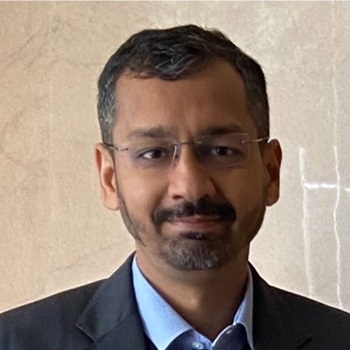
Dr. Srinath Sridharan is a Corporate Advisor & Independent Director on Corporate Boards. He is the author of ‘Family and Dhanda’.
September 12, 2026 at 3:45 AM IST
There is a moment in many restaurants when food arrives and nobody eats it. Everyone looks at the plate, but not with hunger. They are studying it. One person moves the bowl slightly. Another asks for the spoon to be shifted. Someone leans across the table and says, “Wait.” The dish, having travelled all the way from the kitchen, is now required to remain untouched while six adults conduct a small photography session.
The food is hot. The phone is ready. The people at the table are hungry. Yet civilisation must wait.
This has become such an ordinary ritual that we no longer find it odd. We photograph the biryani, the dosa, the sushi, the dessert and, when particularly ambitious, the coffee. A plate that has done nothing except arrive at the table suddenly becomes a subject of documentation. The restaurant has served the food. We have appointed ourselves its marketing department.
Perhaps the most impressive thing about the modern diner is the ability to delay gratification for the sake of displaying gratification.
This is particularly amusing when the people doing it are the same people who complain that children are permanently attached to their phones. “Put that thing away and talk to people,” they say, usually while asking the family to pause dinner because the lighting is better from the other side of the table. The child is apparently addicted to technology. The parent is merely preserving memories.
For the generation that grew up before smartphones, food used to have a much simpler relationship with memory. We ate it. Someone said it was delicious. Someone asked for more. The meal ended. Years later, we remembered the meal without needing photographic evidence that the sambar had actually existed.
Our mothers did not photograph Sunday lunch. Our fathers did not post the restaurant bill. Nobody uploaded the gulab jamun and waited for distant acquaintances to express envy. A memorable meal was allowed to remain entirely within the memory of the people who had eaten it.
The photograph has changed the nature of the experience because it introduces another person into it, even when that person is not physically there. We are eating with the invisible audience in mind. The meal is happening at the table, but part of our attention has already travelled elsewhere, towards the people who will eventually see it.
A holiday is no longer merely a holiday. It is also an album. A concert is not entirely complete until there is a shaky video of the singer on somebody’s phone. A birthday has become a sequence of photographs in which the birthday person is occasionally less important than the evidence that everyone had a wonderful time. Even a quiet evening at home can acquire the language of an event.
We increasingly experience things and then experience them again through the eyes of other people.
Food is simply where this becomes funniest because the object is so wonderfully indifferent to our ambitions. A dosa does not care whether it receives 200 likes. A samosa has no personal brand strategy. The dessert is not building a following. It would quite like to be eaten before it becomes cold.
And yet we have persuaded ourselves that the photograph is part of the meal.
Restaurants have noticed this. Plates are increasingly designed to look good from above. Colours are arranged with the camera in mind. Sauces are painted rather than poured. Desserts arrive looking as though they have been interviewed for a magazine. The restaurant knows that the customer may eat the dish once but photograph it forever.
There is even a small economic bargain taking place. The restaurant provides something photogenic. We provide free publicity. It is one of the few marketing arrangements in which the advertiser pays for the product and then advertises it for free.
The same thing happens with recommendations. We used to discover restaurants through friends. Now we discover them through reviews, reels and lists. We no longer merely eat. We assess. We photograph. We rate. We recommend. We have turned dinner into a tiny piece of consumer research.
And middle-aged Indians, who spent years complaining about the younger generation’s obsession with screens, have quietly joined the operation. The old lecture about being present has been modified. We are present, certainly. We just need two minutes first.
Eventually, even the memory becomes contaminated by the photograph. Did we enjoy the meal, or do we remember enjoying it because the photograph reminds us that we were supposed to have enjoyed it? Was the holiday wonderful, or did we produce enough evidence of wonder to make it feel wonderful afterwards?
The answer, inconveniently, is that some of the finest moments in life have always been private.
A conversation nobody recorded. A meal nobody photographed. A joke that existed only at one table. A road taken by mistake. A song heard at exactly the right age. A friendship that grew without anybody announcing it. These moments had no audience, no analytics and no engagement strategy.
They were simply lived.
More From BasisPoint