.png)


November 16, 2026 at 11:17 AM IST
The Reserve Bank of India and YES Bank have filed separate review petitions in the Supreme Court challenging its October 15 judgment that quashed the lender's decision to write off ₹84.15 billion of additional tier-1 (AT1) bonds during its reconstruction in March 2020, prolonging a legal dispute with implications for bondholders, banks and the regulatory framework governing bank resolution.
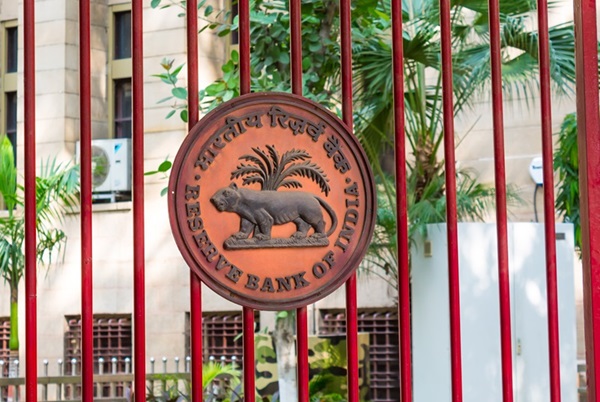
The RBI's review petition, reported by Economic Times, seeks reconsideration of the court's ruling, which set aside the AT1 bond write-off carried out as part of YES Bank's reconstruction. The central bank's move comes after the judgment raised questions over the regulator's role in the decision taken during the lender's restructuring.
YES Bank had filed its own review petition on November 13, seeking reconsideration of the October 15 verdict. Both petitions challenge the decision to quash the write-off, which had resulted in losses for investors holding the bonds.
The RBI's intervention is significant because the write-off formed part of the regulatory response to YES Bank's financial difficulties in 2020. The reconstruction involved measures to address the lender's capital position and restore stability. The court's decision to set aside the bond write-off has brought the regulatory action under renewed judicial scrutiny.
For AT1 bondholders, the review proceedings could determine the eventual treatment of investments written off during the reconstruction. The October judgment had raised the prospect of relief for affected investors, but the review petitions mean the legal process remains open.
The implications extend beyond YES Bank. AT1 bonds are designed to absorb losses when a bank faces financial distress and form part of lenders' regulatory capital. Their loss-absorption feature is central to the instrument's purpose, allowing banks to strengthen capital without relying entirely on public funds or conventional equity issuance.
However, the legal challenge highlights the importance of clarity over the powers exercised by regulators and banks when invoking these provisions. The outcome could influence investor confidence in AT1 instruments, the risk premiums demanded in future issuances and how banks assess the legal framework governing their capital structures.
For the banking sector, the issue is not merely whether affected bondholders recover their investments. It is also whether regulatory actions taken during a bank reconstruction can withstand judicial scrutiny.
Until the review petitions are decided, the final treatment of the 84.15-billion-rupee write-off and its wider implications for India's bank-resolution framework will remain open.
More From BasisPoint