.png)


Dhananjay Sinha, CEO and Co-Head of Institutional Equities at Systematix Group, has over 25 years of experience in macroeconomics, strategy, and equity research. A prolific writer, Dhananjay is known for his data-driven views on markets, sectors, and cycles.
August 4, 2026 at 2:48 PM IST
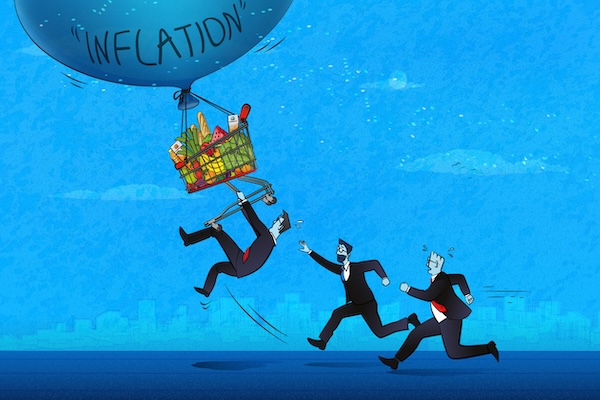
FMCG stocks fell sharply today, reversing a brief 4.5% recovery in the index that investors had read as both a ‘worst is behind us’ trade and a valuation catch-up. The trigger appears to be Nestlé India’s latest investor presentation, which flagged a ‘short-term’ demand slowdown in food and beverages tied to rising retail inflation, alongside slides pointing to global supply disruptions and cost escalation.
Coming from a company that has otherwise posted strong recent performance, including a five-year volume CAGR of more than 4% and volume growth of 10.7% in 2025–26, a reinvigorated premium portfolio and stepped-up distribution and promotional spending, the warning landed as a sector signal rather than a company-specific caveat.
April–June 2026–27 results confirm that the pressure is broader than one name. Varun Beverages is down nearly 17% since mid-July, HUL has lost 8%, and ITC has also plummeted, reflecting a mix of company-specific and sector-wide pressure.
The contrast with the macro numbers is stark.
National accounts show private consumption growing 7–8% in real terms in 2025–26, above both the three-year average of 6.5% and the 3–4% volume growth that leading FMCG companies are delivering.
Nor is the gap new.
Consumer-company underperformance has persisted for the past two to three years, reflecting a demand moderation that set in after the initial post-pandemic recovery and has held through two subsequent good monsoon years. In fact, Nestlé's food-and-beverage growth data was decelerating well before this year's West Asia conflict and the effects of the super El Niño began weighing on India's rural outlook. The current warning therefore reinforces an existing trend rather than signalling a new one.
This is where the sector story connects to the broader household picture. The share of urban households reporting an improvement in income fell to 24.1% by May 2026; the share of rural households reporting income declines has been rising, and real rural wages remain stagnant. FMCG’s soft staples volumes are a direct expression of that: households across the income spectrum have less room to spend, even as management commentary occasionally strikes a more optimistic tone.
Margin Squeeze
The result is that GDP-level consumption growth has provided no pricing-power buffer for consumer companies. They have been able to pass through only a fraction of rising costs, leaving margins to absorb the squeeze. Quick-commerce and regional competition compound the pressure by eroding volumes and pricing discipline alike.
This lines up with the broader corporate-margin pattern: raw-material costs are rising faster than firms can pass them through, non-durable consumer demand is stagnant, and durables, led by electronics and automobiles, are holding up comparatively better. FMCG sits at the intersection of both pressures: soft volumes from a stretched household sector and margin compression from costs it cannot fully offload.
It is less a sector-specific stumble than another data point in the same story: a K-shaped, income-constrained consumer economy running out of policy support to paper over it. For consumer companies navigating this fraying household situation, aggressive premiumisation and format pivots are no longer just strategic choices. They are the only remaining shields for defending operating margins against a slowing mass market.
More From BasisPoint