.png)

Chandrashekhar is an economist, journalist and policy commentator renowned for his expertise in agriculture, commodity markets and economic policy.
September 28, 2026 at 11:46 AM IST
The four-month southwest monsoon cycle from June to September has entered the withdrawal phase. The monsoon hit the mainland four days late this year, and after that stalled for almost three weeks. Early July rains revived hopes, but precipitation in August and September has been less than satisfactory.
As a result, as of September 20, the country faced a rainfall deficit of 15%. The temporal and spatial distribution of rains has also been rather uneven. Of the country’s 36 meteorological subdivisions, as many as 19 representing 51% of the national area, face deficient rains. There are borderline cases even among the rest of the subdivisions said to be ‘normal’.
A look at the cumulative rainfall map shows key growing areas – Punjab, Haryana, parts of Rajasthan, parts of Gujarat (Saurashtra, Kutch), parts of Maharashtra (Marathwada) as well as almost the whole of Andhra Pradesh, Telangana and Karnataka, Assam and Northeast - are ‘red’ in colour with varying intensity of moisture stress.
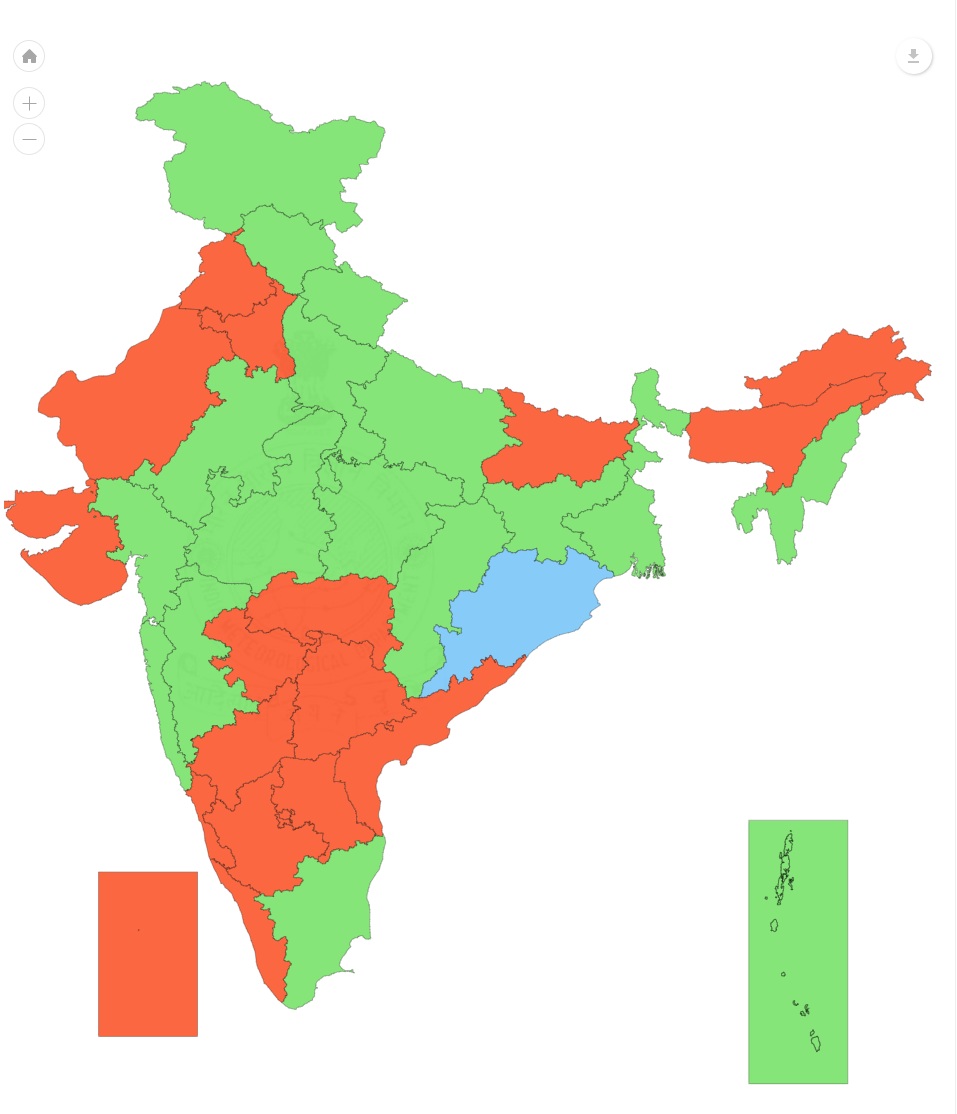
(Image source: IMD)
The ravage inflicted by El Nino-induced dry conditions is evident. The situation worsened with high cost of fertilisers, and limited availability due to the conflict in West Asia.
The table shows 2025 and 2026 acreage, production target for 2026, forecast production in 2026 and government estimated production in Kharif 2025.
Kharif 2026–27: Key Crops Production Forecast
As of September 20, 2026
|
Crop |
Area 2025 (Mha) |
Area 2026 (Mha) |
Production Target 2026 (Mt) |
Production Forecast 2026 (Mt) |
GoI Estimate 2025 (Mt) |
|---|---|---|---|---|---|
|
Rice |
44.7 |
42.7 |
123 |
116–118 |
124.8 |
|
Pulses |
11.9 |
11.8 |
8.4 |
7.0–7.3 |
7.6 |
|
Maize |
9.9 |
9.2 |
31.0 |
28.0–28.5 |
30.5 |
|
Soybean |
12.4 |
12.2 |
14.8 |
9.5–10.0 |
12.6 |
|
Cotton |
11.0 |
10.9 |
33.6 |
27.5–28.0 |
29.0 |
|
Sugarcane |
5.9 |
5.8 |
500 |
440–450 |
500 |
(Area in Million Hectares; Production in Million Tonnes; Cotton in Million Bales
2026 Harvest forecast by G. Chandrashekhar (proprietary research))
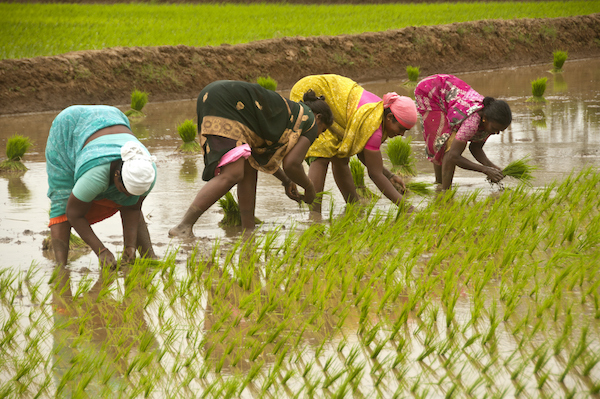
In most cases, planted area is lower than last year’s Kharif acreage. Poor distribution of rainfall has impacted planted area, yields and production, and rice, pulses, cotton, soybean, groundnut and sugarcane crops have been affected.
It is safe to conclude that the Kharif 2026-27 harvest will fall short of season’s production target and well below last year’s government estimate. In some regions, crop quality may be affected. As a result, supply-demand fundamentals of many crops will tighten further.
Rice buffer stocks of 40 million tonnes are a source of comfort. At the same time, imports of many commodities are set to increase in the months ahead: Pulses > 7 mln tonnes; Vegetable oils 16-17 mln tonnes; Cotton > 7 mln bales.
High international energy costs and a weak rupee against the dollar may exacerbate the price situation and heighten inflation expectations. It is likely, the government may tighten the screws on agri trade.
How does the future look? There’s a bigger alarm. According to the IMD reports, El Nino may further intensify in October-November-December. That’s precisely the time for completion of Kharif harvest and planting of Rabi crops, which require adequate winter rains. Already Indian wheat is at the limit of heat tolerance. Warmer days in January-February and heat waves in March can reduce harvest size.
So what are the policy options open to New Delhi? One, some restriction on diversion of rice, maize and sugarcane for ethanol. Two, eliminate 10% customs duty on crude vegetable oil import and make refined oil import more viable with duty reduction. Just last week, New Delhi reduced basic customs duty on palm, soy and sun oils.
In any case, pulses imports will continue till March 2027 and the policy may be extended. It is expected that assembly elections in Uttar Pradesh, Gujarat and Punjab early in 2027 may influence some of these policy decisions.
More From BasisPoint