.png)

Pakistan's Strategic Paradox: Global Ambition, Domestic Fragility
Pakistan’s diplomatic profile is rising even as economic strain, provincial tensions and conflict with Afghanistan expose the limits of its domestic resilience.

Lt Gen Syed Ata Hasnain is Governor, the State of Bihar, and Former Commander of India's Srinagar-based Chinar Corps.
October 18, 2026 at 9:53 AM IST
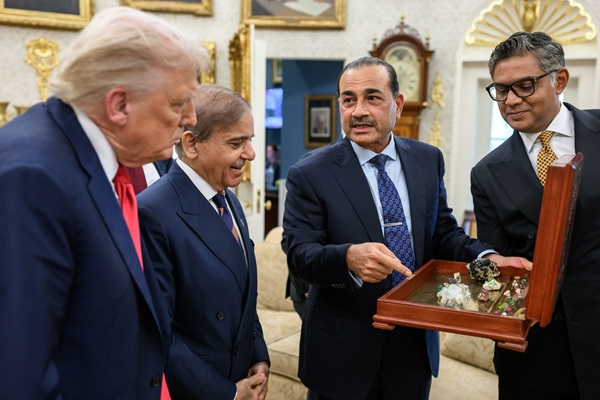
There is something distinctly paradoxical about Pakistan's current strategic situation. Field Marshal Asim Munir has emerged as an unusually visible figure in international diplomacy, cultivating Washington, strengthening relationships in West Asia and projecting Pakistan as an indispensable participant in regional security affairs. Yet behind this diplomatic resurgence lies a country struggling with an increasingly constrained economy, political confrontation, ethnic grievances and a deteriorating relationship with Afghanistan. The contrast raises a fundamental question. Is Pakistan's international relevance increasing even as its internal capacity to sustain that relevance is weakening?
The answer is important for India, which cannot afford to mistake Pakistan's economic difficulties for strategic irrelevance. Nor should it interpret Munir's diplomatic visibility as evidence of Pakistan's national recovery. These are different realities, and understanding their interaction is essential.
The Economy Behind the Diplomatic Offensive
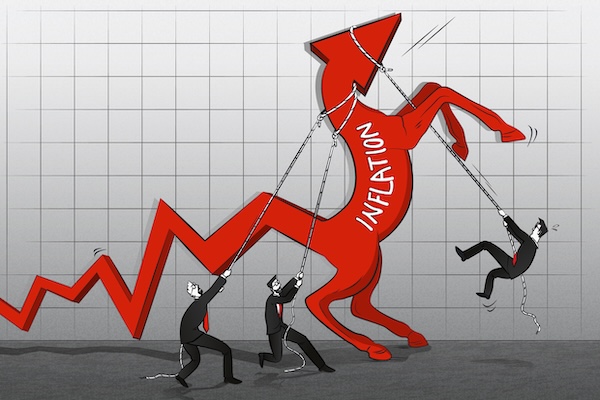
Meanwhile, the federal development allocation remains at PKR 1 trillion, unchanged in nominal terms despite inflation. The contrast is revealing. Pakistan is allocating substantially more resources to servicing accumulated obligations and sustaining its security establishment than to creating the economic foundations of future prosperity.
This does not mean Pakistan faces imminent economic collapse. Its finance minister expects growth exceeding 4%, while IMF assistance, bilateral financial support and proposed privatisation measures provide breathing space. However, external financial assistance is not synonymous with structural recovery. Pakistan remains dependent on creditors and partners whose support is influenced as much by geopolitical calculations as by economic performance. Interestingly it is also heading to chair the IMF, in its turn. An announcement was made on 16 October 2026, during the IMF–World Bank Annual Meetings in Bangkok.
Munir's ongoing international diplomacy may secure temporary relief, investment promises and strategic partnerships. Whether these translate into sustainable national development is another matter.
The Western Frontier and the Crisis of Federalism
Islamabad justifies the intervention through the deteriorating security environment and allegations of inadequate provincial cooperation against terrorism. PTI regards it as an attempt to eliminate the remaining institutional influence of Imran Khan's political movement.
Everyone in Pakistan knows that KPK is a sensitive province, where stability and public cooperation are essential to fighting terrorism. The PTI government, whatever its differences with Islamabad, was functioning and enjoyed a political mandate. Why then resort to coercion and destabilise an elected provincial government at such a critical juncture? The familiar Hindi expression “Aa Bail Mujhe Maar”—inviting trouble upon oneself—seems particularly appropriate. Pakistan's establishment may have created another political crisis in a province where it can least afford one.
Balochistan presents another manifestation of the same problem. Its insurgency, disputes over resource distribution and longstanding grievances concerning provincial autonomy reveal the limits of managing political dissatisfaction predominantly through security instruments.
There is now talk of dividing Pakistan's existing provinces into smaller administrative units. On paper, this may appear sensible. Smaller provinces could mean better governance. But is governance really the objective, or is it another attempt to weaken powerful provincial identities and bring more authority under Islamabad's control? There is no conclusive evidence that Munir personally conceived this proposal. Yet, with the military calling the shots, suspicion is inevitable. Pakistan should know from its own history that provincial identities cannot simply be wished away.
Afghanistan: The Strategic Depth That Disappeared
Five years later, the situation has turned on its head. The Afghan Taliban are refusing to behave like obedient clients. Pakistan accuses them of sheltering the TTP, while Kabul denies responsibility. Cross-border clashes, airstrikes and disruption of trade have become part of a relationship that was supposed to guarantee Pakistan's western security.
It’s an extraordinary reversal. Pakistan sought ‘strategic depth’ in Afghanistan and has ended up with ‘strategic insecurity’ on its western frontier. The Durand Line remains disputed, Pashtun loyalties extend across the border, and Islamabad is discovering that ideological friends do not necessarily make reliable strategic partners.
There is a larger lesson here. Proxy organisations cannot be controlled indefinitely. They develop their own interests and ambitions. Pakistan employed this strategy for decades against India. Today, it is experiencing some of its consequences closer to home. The economic costs of confrontation with Afghanistan only add to an already difficult financial situation.
Asim Munir's Diplomacy: How Much Can It Deliver?
But there is a difference between being strategically useful to other countries and being internally strong. Pakistan may be receiving attention abroad, but that does not mean its problems at home are disappearing.
Munir now enjoys extraordinary authority, but there is a growing mismatch between Pakistan's external ambitions and its internal realities. Its foreign policy seeks influence, recognition and strategic advantage, while its domestic policies are generating political confrontation, economic distress and provincial resentment. The two cannot continue moving in opposite directions. This incompatibility between external and internal policies and strategies is increasingly laying Pakistan's weaknesses bare.
For India, there is little reason to celebrate Pakistan's difficulties. An economically weak Pakistan remains militarily capable and nuclear-armed. Its internal troubles do not necessarily mean reduced hostility towards India. At times, even limited external confrontation can become a convenient distraction from domestic failures. A high-profile incident is sufficient to achieve that and we have seen much of that before.
India must therefore remain vigilant without becoming obsessed with Pakistan's problems. Our economic growth, technological advancement and larger international ambitions cannot be held hostage to developments across the border.
The more interesting question is whether Munir can convert his diplomatic successes into anything resembling national recovery. International recognition is useful, but it cannot pay Pakistan's debts, settle its provincial disputes or restore peace along the Afghan frontier.
Pakistan's military establishment may be winning recognition abroad while losing the confidence needed to govern effectively at home. That is the paradox which Asim Munir must eventually confront.
More From BasisPoint