.png)

October 12, 2026 at 11:11 AM IST
India’s retail inflation accelerated to 5.54% in September from 4.83% in August, reaching its highest level since October 2024 as food price pressures intensified, with the rise extending across both rural and urban markets.
Inflation based on the Consumer Price Index rose 71 basis points from the previous month, while food inflation climbed to 7.74% from 5.97%, according to data released by the National Statistics Office on Monday.
The July-September quarter’s average CPI inflation stood at 4.9%, in line with the Reserve Bank of India’s latest forecast. However, the September acceleration adds to the inflation pressure confronting the central bank ahead of its next monetary policy review.
Rural inflation crossed the 6% mark in September, accelerating to 6.08% from 5.24% in August, while urban inflation rose to 4.88% from 4.31%. The widening gap highlights stronger price pressures in rural areas, where food carries a significant weight in household spending.
Rural food inflation accelerated to 8.06% from 6.17% in August. Urban food inflation rose to 7.18% from 5.64%, indicating that the increase in food prices was not confined to rural markets.
The Consumer Price Index rose 0.69% month-on-month in September. The Consumer Food Price Index increased 1.30% over the same period, highlighting the contribution of food prices to the monthly rise in the overall index.
Food Inflation Elevated
Inflation in the food and beverages category stood at 7.36% in September. The increase in food inflation was accompanied by price pressures in several services-related categories.
Inflation in restaurants and accommodation services rose to 9.36%, while personal care, social protection and miscellaneous goods and services recorded inflation of 13.75%. Transport inflation stood at 5.01%, and education services inflation was 3.94%.
Among other categories, inflation in paan, tobacco and intoxicants was 4.80%, while clothing and footwear inflation reached 3.93%. Housing, water, electricity, gas and other fuels recorded inflation of 2.74%. Inflation in furnishings, household equipment and routine household maintenance stood at 3.11%.
Health inflation remained comparatively subdued at 1.40%. Inflation in information and communication was 2.44%, while recreation, sport and culture recorded 2.16%.
The divergence between food, personal care and accommodation-related inflation and lower readings in categories such as health and housing shows that price pressures remain uneven across the consumption basket.
RBI faces a more challenging inflation outlook
The September inflation reading places greater emphasis on the persistence of food price pressures and the extent to which higher costs are spreading across other parts of the economy. The rise in both rural and urban inflation also suggests that the acceleration was broad enough to affect consumers across locations.
Although average inflation for the July-September quarter matched the RBI’s latest projection of 4.9%, the September reading was significantly higher than August’s 4.83%. The monthly increase in the food index will remain an important indicator to watch in assessing whether the pressure continues.
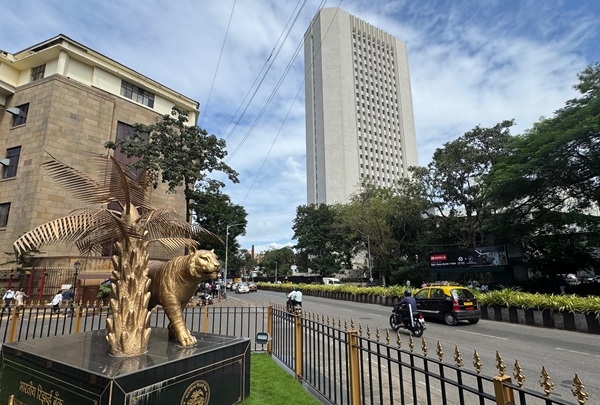
For monetary policy, the latest data complicates the outlook by bringing inflation back above 5% and closer to the upper end of the RBI’s 2-6% tolerance band. The central bank will need to assess whether the increase reflects a temporary food-price shock or a more persistent rise that could influence inflation expectations and prices across other categories.
The sustained food inflation and continued pressure in services could strengthen the case for the RBI to maintain a tightening policy stance.
More From BasisPoint