.png)

Cheshta Verma is a student at the Tata Institute of Social Sciences.
November 28, 2026 at 3:43 AM IST
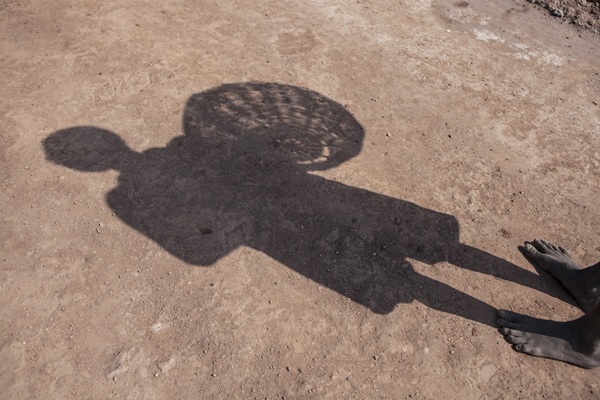
Nearly 160 million children worldwide are engaged in child labour, often in conditions that deny them education, endanger their health and deprive them of childhood, and in South Asia poverty, social inequality and demand for cheap labour in global supply chains make the problem entrenched. Governments legislate, businesses pledge ethical sourcing and conventions guarantee rights, yet children still work in mines, factories, farms and homes; this is not just an enforcement failure but a reflection of structures that make exploitation possible.
For marginal families, a child's earnings can mean survival, and removing a child from work does not replace lost income, put food on the table or guarantee schooling, so without addressing these pressures exploitation can move out of sight.
Unequal Burdens
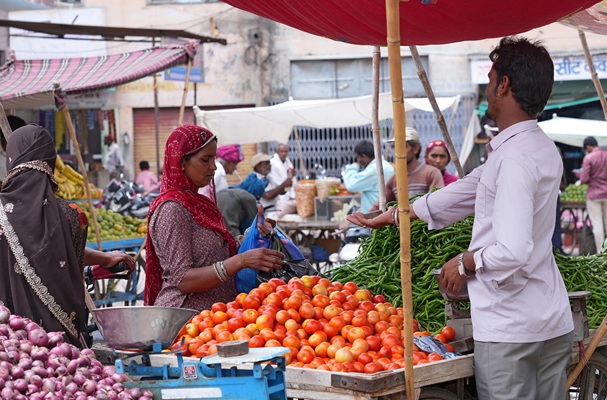
Across South Asia, children work in agriculture, manufacturing, mining, domestic service and street vending, while girls carry an additional burden of unpaid household work and caregiving, often at the expense of education; caste hierarchies, generational poverty and discrimination restrict families' choices, and in parts of Afghanistan extreme poverty has exposed girls to forced marriage and domestic servitude.
The mica mines of Jharkhand show how local exploitation connects to global markets, with children documented working alongside families in unregulated mines that extract mica for electronics, paints, insulation and cosmetics, exposing the gap between ethical sourcing commitments and conditions on the ground. Rajasthan's stone quarries add another dimension, where women and children work in hazardous conditions while silicosis devastates mining communities; lost income pushes families toward children's earnings, and some settlements are known as "widow villages". Similar concerns arise in Sivakasi's fireworks units, Nepal's brick kilns and Egypt's jasmine fields, which reflect vulnerable households, weak protections and commercial demand rather than only individual lawbreaking.
Beyond Rescue
Families need support too, because if a household loses a child's contribution without alternative income the underlying pressure remains; social workers can connect families to welfare programmes and livelihoods, and MGNREGA, which guarantees eligible rural households up to 100 days of wage employment, can help. Mining communities also need silicosis compensation and social protection. Community engagement matters because where generations have limited schooling child labour can become normalised, so social workers must work with local leaders, schools and community organisations to challenge practices, confront discrimination and build support for education, and the IFSW's emphasis on social justice, empowerment and advocacy means families need support rather than stigma.
The Policy Gap
The debate is often reduced to banning child labour or accepting it as an inevitable consequence of poverty, but neither position is adequate. Organisations such as the Concerned for Working Children caution that sudden raids and punitive enforcement can push children into less visible and more dangerous work, and removing children without rehabilitation or household security can displace exploitation rather than end it. But poverty cannot justify child labour, so enforcement must go with accessible schools, adequate nutrition and social protection; Kerala's higher literacy and lower child labour rates show the importance of education and broader social development.
Businesses must be held accountable, because exploitation in mining, cosmetics and agricultural supply chains cannot be tackled by inspecting one workplace alone; companies must monitor labour practices across supply chains, backed by meaningful penalties. Policy must connect enforcement with welfare, education and economic security: school meals can ease attendance costs, inspections must identify exploitation without driving it underground, and welfare systems must reach households before distress pushes children into work.
Protecting Childhood
The goal is families surviving without children's earnings, children attending school without household insecurity, and businesses operating without exploitation; children should not work because a family has no alternative, and until policy addresses why that choice exists the promise of ending child labour remains a promise.
References
- Ahmed, S. (2019). Child labor and prostitution in Bangladesh: A case study of Dulatiya. Journal of South Asian Studies, 7(2), 45–60.
- Bhaskaran, S., & Sharma, P. (2020). Embedding the human rights and labor UNGC principles. In Beyond the Bottom Line (pp. 74–82). Routledge
- Lavié, A. H., & Lima Fernandez, A. I. (2018). New social intervention technologies as
- Gunder Frank, A. (1966). The development of underdevelopment. Monthly Review, 18(4), 17-31
- Mammadli, M. (2021). HUMAN RIGHTS SITUATION IN AFGHANISTAN 1996-
- Bronfenbrenner, U. (1986). Ecology of the family as a context for human development: Research perspectives. Developmental Psychology, 22(6), 723–742.
- https://doi.org/10.1037//0012-1649.22.6.723
More From BasisPoint