.png)

Why Blaming a Missed Call Won’t Explain the India–US Trade Impasse
Trade deals of this scale hinge on unresolved policy differences—on tariffs, agriculture, digital trade and regulatory autonomy—not on symbolic gestures.

Ajay Srivastava, founder of Global Trade Research Initiative, is an ex-Indian Trade Service officer with expertise in WTO and FTA negotiations.
January 9, 2026 at 2:57 PM IST
As India–US trade talks continue to face delays, a remark on January 8, 2026 by US Commerce Secretary Howard Lutnick has shifted the focus from substance to symbolism. The explanation, however, raises more questions than it answers about how complex trade negotiations actually break down.
What Lutnick said?
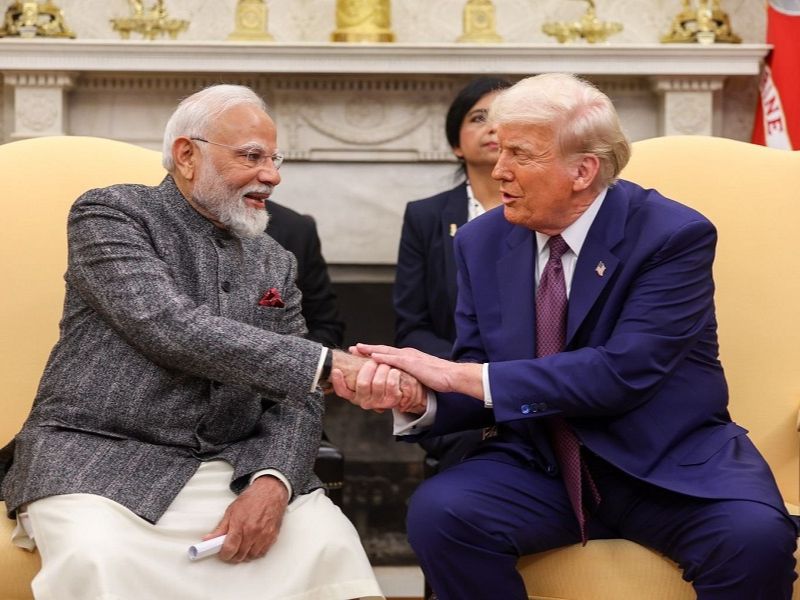
In an interview on the All-In Podcast on January 8, 2026, US Commerce Secretary Howard Lutnick said the long-discussed India–US trade deal stalled because Prime Minister Narendra Modi did not personally call then-US President Donald Trump to seal the agreement, a step Washington viewed as essential to closing the negotiations. Lutnick said Modi later agreed to place the call, but by then it was “too late”, as the US had already shifted focus to concluding trade deals with Indonesia, the Philippines and Vietnam, leaving India out of that sequence of agreements.
Lutnick’s explanation does not withstand basic scrutiny.
The US trade agreements with Indonesia, Vietnam and the Philippines were indeed concluded around July 2025, but India–US negotiations continued well beyond that period, with multiple official-level engagements on market access, tariffs and regulatory issues taking place afterward. If Washington had already decided in July that there would be “no deal” simply because Prime Minister Modi did not make a personal call, there would have been little reason for both sides to continue negotiating for months thereafter. The claim reads less like a contemporaneous reason and more like a retrospective justification.
Also, reducing a complex, multi-sector trade negotiation to the absence of a leader-to-leader phone call misses the logic of how such agreements are actually concluded. Trade deals of this scale hinge on unresolved policy differences—on tariffs, agriculture, digital trade and regulatory autonomy—not on symbolic gestures. Lutnick’s remarks therefore confuse diplomatic optics with negotiating reality, and overlook the deeper structural reasons why an India–US deal has remained elusive.
Ultimately, the India–US trade impasse reflects hard policy choices rather than missed phone calls. Framing the delay as a matter of personal diplomacy may offer a convenient narrative, but it obscures the substantive disagreements that both sides have yet to resolve—and risks trivializing one of the most consequential trade relationships in the global economy.
More From BasisPoint