.png)

April 30, 2026 at 2:59 AM IST
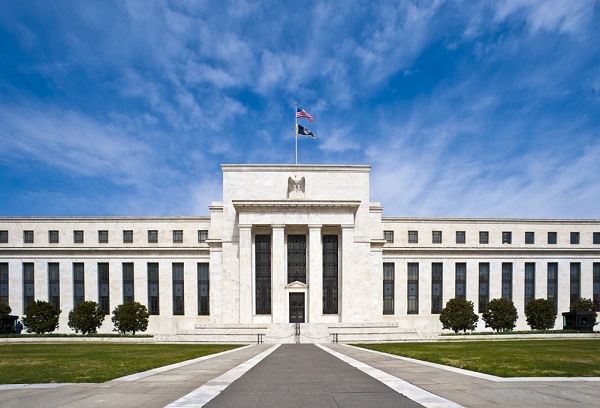
The US Federal Reserve’s latest decision looked uneventful on the surface, a pause at 3.5–3.75% that markets had already priced in, yet the details told a more consequential story, one of a central bank that is not only cautious about inflation but increasingly wary of the risks building around it, from tariffs to geopolitics to the credibility of its own institutional independence.
The dissent pattern made that caution visible. One vote called for an outright rate cut, while three others pushed back against even signalling an easing bias, an unusual configuration that suggests the debate inside the Fed is no longer about timing alone but about the direction and durability of the next move. When that is paired with Chair Jerome Powell’s unusually direct criticism of political pressure from the administration, the message becomes harder to ignore, the Fed is not preparing to ease, it is preparing to wait.
That wait is being shaped by forces that are not fully within its control. Inflation remains elevated, not just in the abstract but in ways that are proving stubborn, with tariffs feeding into goods prices and energy costs rising amid the ongoing Middle East conflict, a shock that Powell acknowledged has not yet peaked. In effect, the Fed is being asked to respond to supply-side pressures without worsening growth, a familiar dilemma but one that is now playing out against a far more uncertain global backdrop.
For global markets, the implication is straightforward.
The easing cycle that many had expected to begin is being pushed further out, and with it comes a tightening of financial conditions that does not require a rate hike to be felt. Bond yields have already adjusted, equity markets have turned cautious, and capital is beginning to price in a longer period of higher US rates.
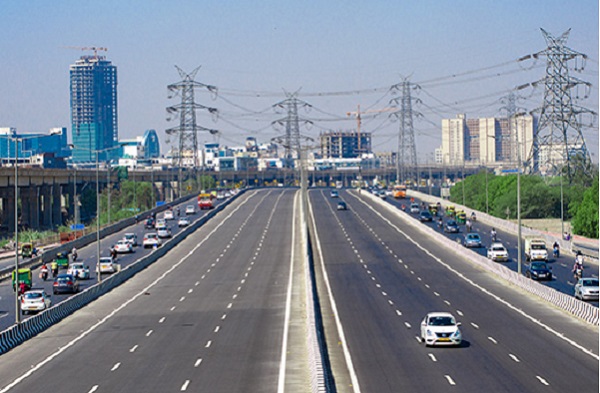
For India, the transmission is more immediate and more uncomfortable. The Reserve Bank of India enters this phase with limited room to manoeuvre, having already deployed a mix of liquidity measures, regulatory adjustments, and intervention to manage currency pressures, according to Economist Madhavi Arora of Emkay. A more hawkish Fed reduces the effectiveness of each of these tools, as capital flows remain tentative and the rupee stays vulnerable to external shocks.
What emerges is not a policy mistake but a policy bind. The Fed’s decision to wait, shaped by its own inflation and credibility concerns, effectively narrows the RBI’s options. In that sense, the global monetary cycle is once again asserting itself, not through dramatic shifts but through a steady tightening of constraints that leave emerging market central banks reacting rather than choosing.
The irony is that the Fed has not tightened policy in the conventional sense. It has simply chosen not to ease. Yet in a world already strained by geopolitical risk and fragmented trade flows, that choice is enough to keep financial conditions tight and policy space limited, ensuring that for the RBI, as for many of its peers, the path ahead remains one of careful balance rather than decisive action.
More From BasisPoint