.png)

Warmth of Winters: Reclaiming a Season We Misunderstood
Winter is framed as crisis and gloom in India, but beneath the smog lies a season built for closeness, reflection and care, if only our institutions learn to see it.

Kirti Tarang Pande is a psychologist, researcher, and brand strategist specialising in the intersection of mental health, societal resilience, and organisational behaviour.
December 27, 2025 at 7:17 AM IST
We associate winter with smog and sadness. But what if our institutions and policies have misbranded a season meant for connection?
I’ve never loved winters. My nose and cheeks turn pink each year, earning me my brother’s annual “monkey” taunt, while the cold seeps into my bones rather than brushing past my skin. Studying psychology only deepened this aversion, and winter became shorthand for withdrawal, seasonal affective disorder, and low mood. In India, smog amplifies this, turning the season into a biopsychosocial hazard of AQI spiking, lungs tightening, schools closing, and flights delayed. We’re told winter is when systems fail and bodies falter.
Yet one winter evening quietly unsettled this certainty.
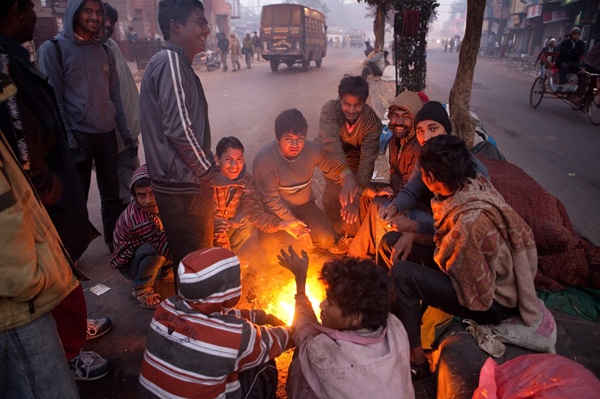
At a typical Delhi farmhouse wedding, dressed for vanity over weather and trading insulation for denial, I started shivering once the dancing stopped. Before embarrassment hit, my best friend pulled me close, wrapped me in her shawl, and pressed a glass of steaming milk into my hands. No lecture. No “I told you so.” Just instinctive warmth and cashmere-care. The cold didn’t vanish, but it stopped feeling hostile. It felt held.
This happened through co-regulation. Our nervous systems sync in proximity, downregulating stress via mirror neurons and oxytocin release, turning isolation into shared resilience. That moment sparked a question I’d never considered: what if winter isn’t the villain we’ve made it?
Relational Warmth
Yes, winter sun mimics the moon even at noon. Yes, we inhale poison with each breath. Yes, we feel slower, heavier, less driven. But perhaps we’re doing winter wrong. Perhaps it isn’t meant to be conquered, only accompanied. Smog and seasonal sadness aren’t winter’s essence; they’re signals of how poorly urban systems accommodate a season that naturally slows us. Winter reveals vulnerabilities already present, much like how psychological research on SAD shows light deprivation exacerbates underlying mood dysregulation, not create it from nothing.
People often blame winter for low mood. But is it the season, or our response? India’s summers are exhausting, monsoons destabilising, and winters offer calm by contrast. Calm surfaces what simmers beneath the noise. My grandfather used to explain this through the Samudra Manthan story: gods and demons churning the ocean didn’t create the poison halahal or the elixir amrut. They just revealed what lay hidden. Psychology echoes this: stillness in mindfulness practices activates the default mode network, first unearthing suppressed emotions, then fostering insight and warmth through sustained presence. If we sit with winter and accept what it brings, we may emerge renewed. As Albert Camus wrote, “In the depth of winter, I finally learned that within me there lay an invincible summer.”
Institutions, however, misread this as failure. Urban design offers scant spaces for winter intimacy. AQI empties parks, community centres close early, school shutdowns halt not just classes but the social rhythms that buffer children’s emotions through peer attachment. Discomfort is framed as environmental or medical, ignoring social antidotes like shared rituals. This creates disharmony with our evolutionary winter instincts of prioritising proximity. We learnt this as cavemen: huddling boosts vagal tone, calming the fight-or-flight response collectively.
This prompts a key question: why do we treat connection as personal coping, not collective resilience?
Nordic hygge scaffolds winter culturally through soft lighting, shared meals, slower calendars, and families spending lazy hours over board games. This is not indulgence, but adaptation, because physical closeness cuts cortisol and elevates mood through endorphins. Winter’s chill draws bodies nearer, reminding us that resilience is relational. We endure not by accelerating, but by slowing into warmth.
In India, winter bears pollution’s moral weight and productivity anxiety. Slow bodies get disciplined, dipping moods medicalised or dismissed, rest deemed suspect. This backfires psychologically: overriding seasonal cues through hustle culture spikes burnout by disrupting circadian entrainment. Anxiety festers when warmth is privatised, accessible only to the resourced with secure relationships. Even GRAP, in its necessary focus on restriction, reinforces this imbalance. Why is our winter governance only about stopping harm, and not enabling care? We regulate emissions meticulously, but leave emotional insulation to chance.
Winter, though, reveals quieter strengths. After the festival clamour, it offers recalibration: conversations deepen through undivided attention, families linger over meals, secure attachment is fostered, and creativity blooms in quiet. Roots strengthen before spring.
The question, then, is not whether winter harms health. It undeniably can, especially in polluted cities. It is whether institutions see social, physical, and emotional warmth as resilience infrastructure, not indulgence. Whether stillness needs fixing, or holding. In governing winter as an emergency, we miss its psychological role: a pause, like lovers’ anticipatory breath before reunion, urging us to sit closer until discomfort softens.
If we frame winter only as a problem, we will never claim what it offers.
More From BasisPoint