.png)


Ajay Srivastava, founder of Global Trade Research Initiative, is an ex-Indian Trade Service officer with expertise in WTO and FTA negotiations.
June 15, 2026 at 8:19 AM IST
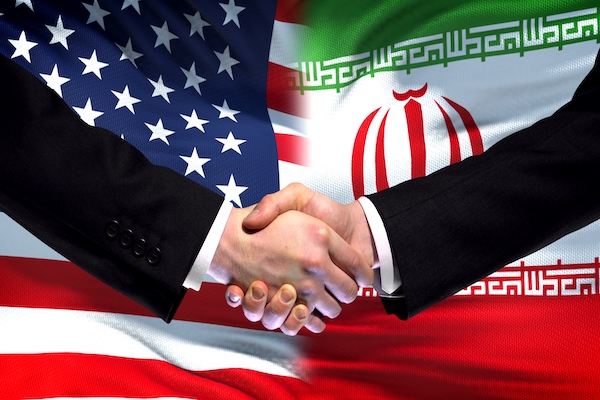
The United States and Iran have reached a peace deal to end a four-month war that disrupted global energy supplies, pushed oil prices above $100 per barrel, and brought West Asia to the brink of a wider regional conflict.
President Donald Trump announced the agreement on June 15, declaring it "complete" on Truth Social.
For India, which relies heavily on West Asia for crude oil, LPG and LNG supplies, the deal promises relief from high energy prices, pressure on the rupee, and inflationary risks that intensified during the conflict.
The formal signing ceremony is scheduled for June 19 in Geneva, Switzerland.
According to Pakistan Prime Minister Shehbaz Sharif, who mediated the negotiations alongside Qatar, Saudi Arabia and Türkiye, the agreement mandates an immediate and permanent cessation of military operations across all fronts, including Lebanon.
What started as a limited campaign rapidly evolved into a regional confrontation involving several Gulf countries. Iran retaliated with missile and drone attacks on US military facilities across the Gulf, while its allies opened additional fronts in Lebanon and elsewhere.
Iran effectively choked shipping through the Strait of Hormuz, through which roughly one-fifth of global oil trade and substantial volumes of LNG and LPG pass. The disruption pushed oil prices above $100 per barrel, tightened energy supplies, and increased inflationary pressures worldwide.
Iran, however, presented the outcome as a strategic victory. Deputy Foreign Minister Kazem Gharibabadi confirmed the agreement, while Iranian military leaders claimed that Tehran had forced the United States and Israel to negotiate by demonstrating its ability to sustain resistance and impose significant costs on its adversaries.
The disruption of shipping through the Gulf raised India's energy import bill, increased inflation risks, weakened the rupee and forced refiners to seek alternative supplies from distant markets.
Reopening the Strait of Hormuz is expected to stabilise energy markets, ease pressure on oil and gas prices, strengthen the rupee and improve India's growth outlook.
India should draw a clear lesson from this outcome: engage with the United States as an equal partner, not a subordinate one. Whether in trade, technology, energy, or foreign policy, India must reject arrangements that undermine its interests. Strategic autonomy, economic strength, and negotiating from a position of confidence remain India's best safeguards in dealing with any major power.
More From BasisPoint