.png)


Ajay Srivastava, founder of Global Trade Research Initiative, is an ex-Indian Trade Service officer with expertise in WTO and FTA negotiations.
March 28, 2026 at 6:38 AM IST
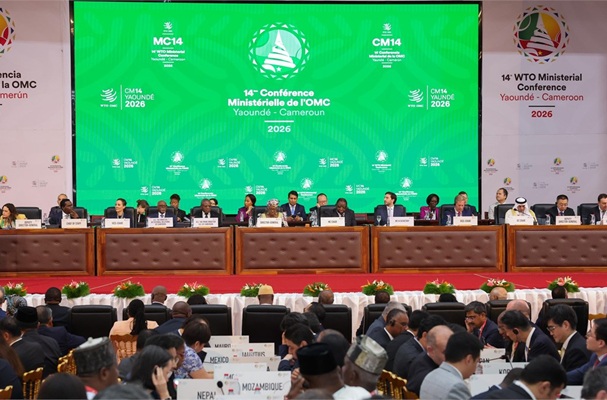
The third day of the WTO’s 14th Ministerial Conference at Yaoundé, Cameroon is emerging as pivotal, with ministers meeting across four tracks—fisheries subsidies, investment facilitation, e-commerce and agriculture—alongside open sessions where countries will spell out their positions.
Breakthroughs remain unlikely, but today’s talks are expected to shape the final outcome.
The sharpest divide is over the e-commerce moratorium on customs duties. The US, backed by Jamieson Greer, is pushing for a permanent extension, while India and other developing countries oppose it, citing revenue loss and policy constraints. A temporary compromise of 2–4 years appears the most likely outcome.
On the Investment Facilitation for Development pact, India now stands nearly alone as resistance from others weakens, with Turkey dropping its opposition. Pressure on New Delhi is expected to intensify in small-group “green room” meetings and through direct engagement by the DG WTO. India’s concern is less about the pact itself than the precedent it sets—opening the door to plurilateral deals that once embedded within the WTO, act as Trojan horses—gradually reshaping the institution’s multilateral character.
In agriculture, some members, including the Cairns Group, are expected to push for a fresh negotiating mandate, effectively resetting the agenda. Such a move could sideline existing mandates, including those central to India’s position. No outcome is expected on India’s demand for a permanent solution on public stockholding for food security.
Little progress is expected on fisheries subsidies, where divisions persist.
With tensions spanning digital trade, IFD and plurilateral agreements, today’s discussions are set to determine whether MC14 ends in a modest compromise or exposes deeper fractures within the WTO.
More From BasisPoint