.png)

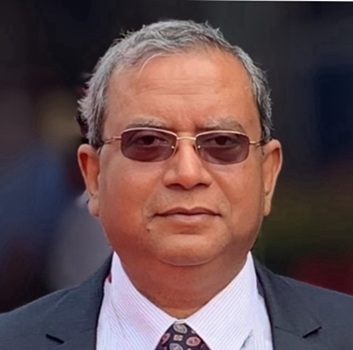
Shubhranshu, former Chief Administrative Officer at Rail Wheel Plant in Bela, has managed many engineering and manufacturing projects, including the Train-18, or the Vande Bharat Express.
December 15, 2025 at 12:11 PM IST
Have you ever heard of a passenger-carrying train on Indian Railways being cancelled because there was no crew available? In more than three decades of service on the Railways, I have never seen such a day — not even during festival rush, marriage seasons, or natural calamities when traffic volumes soar. The system may bend, but it never breaks.
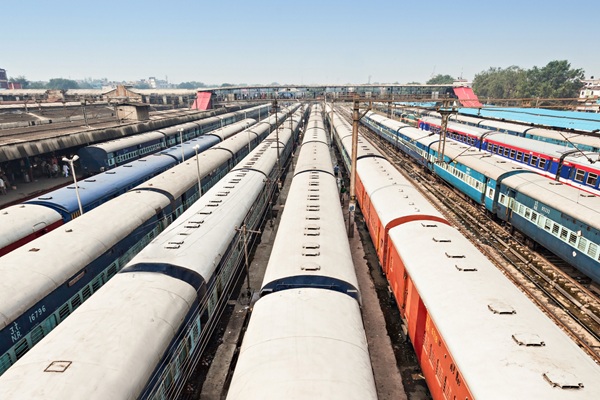
The recent disruption in IndiGo Airlines’ operations, triggered by large-scale pilot unavailability, has naturally raised public concern about whether such a crisis could occur in Indian Railways. Could the world’s fourth-largest railway network, carrying over 25 million passengers every day, also face a crew shortage or fatigue crisis? The answer is an emphatic no.
Indian Railways’ crew planning, rest management, and safety systems are among the most robust in the world, tested over decades of continuous 24×7 operations across 68,000 route kilometres.
Planning Buffer
Despite thousands of vacancies at any given time, passenger train operations have never been affected, a remarkable feat given the sheer size and complexity of the network.
Recruitment and Training
The journey from an assistant loco pilot to a passenger loco pilot takes 6–8 years of structured progression:
- Phase 1: Six months of intensive classroom and simulator training.
- Phase 2: Apprenticeship as assistant loco pilots, shunters and working under senior loco pilots.
- Phase 3: Promotions through successive roles — Shunting, Goods, and finally Passenger operations — each preceded by refresher courses and tests.
Over two dozen high-fidelity simulators across India provide real-time driving practice in all conditions — much like flight simulators used by airlines.
Supervision and Assessment
The Railways also ensures family counselling, helping households understand the rest and routine discipline essential for their family member’s safety and well-being.
Fitness and Rest Management
Periodic medical checks are mandatory — every 4 years up to age 50, every 2 years up to 55, and annually thereafter. Tests include checks for vision acuity, hearing, general health and suggest suitable corrections or medication.
When away from home, loco pilots rest in air-conditioned running rooms located at crew change points. Each pilot gets a quiet, private cubicle with clean linen, subsidised meals, and takeaway food for journeys.
The Crew Management System, a computerised scheduling tool, ensures that no loco pilot is booked beyond prescribed limits:
- Maximum of 104 hours of duty in a 14-day cycle.
- Minimum 6–8 hours of rest after each trip, depending on duty duration.
- At least four home rests of 30 hours (or five of 22 hours) per month.
- No pilot can be rostered for more than three consecutive night duties.
Passenger train loco pilots operate under fixed “links” — pre-planned rosters defining which trains they drive, when they rest, and when they return home. Every link ends with a mandatory home rest period.
Vacancies and Fatigue
Zonal Railways conduct half-yearly crew reviews to adjust strength for new trains, changed routes, and future retirements, accounting for the long gestation between recruitment and readiness for independent driving.
Do loco pilots ever work long hours? Occasionally, especially when trains are delayed by weather or congestion. But relief crews are arranged wherever possible, ensuring no unsafe fatigue levels are reached.
Unlike airline operators who depend on external consultants, Indian Railways’ crew management is run by career technocrats who have risen through the system, understand it deeply, and have their skin in the game. The Railways’ vertically integrated structure — as operator, maintainer, manufacturer, and regulator — gives it unparalleled control over every operational variable.
This institutional experience and in-built redundancy have made Indian Railways one of the most reliable large-scale transport systems in the world.
When millions of passengers sleep aboard Indian trains each night, they can do so knowing that their loco pilots are:
- Well trained, well rested, and medically fit.
- Supported by a rigorous supervision and scheduling system.
- Driven by professional pride and safety discipline.
Airlines and other sectors could indeed take a lesson or two from the Railways’ century-old yet continuously modernised crew management model.
So, the next time you board a train, remember the system that moves India never stops because its people and planning never fail.
More From BasisPoint