.png)


Groupthink is the House View of BasisPoint’s in-house columnists.
July 8, 2026 at 6:56 AM IST
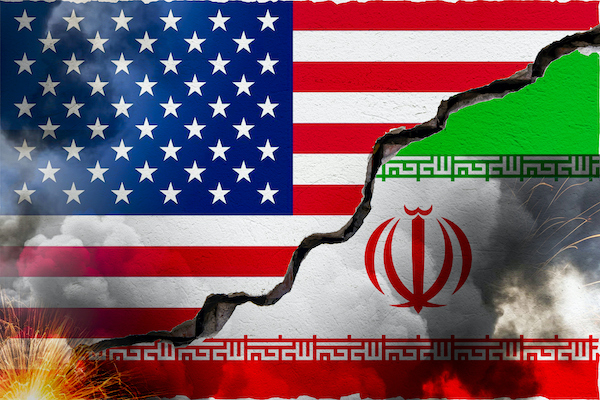
A ceasefire that must be defended through fresh military action is not yet peace, and Tuesday’s developments around Iran, the US, and the Strait of Hormuz showed why it would be premature for any capital, including New Delhi, to breathe easy, let alone claim that the crisis has been deftly managed and put behind it. The US said it launched strikes after three commercial vessels were hit while transiting the Strait of Hormuz, with Washington describing the attacks on shipping as a violation of the ceasefire, while Iranian media reported projectiles hitting the Taheroui pier area in Sirik in southern Iran.
By late Tuesday, US Central Command said it had completed a new round of offensive strikes, hitting more than 80 targets, including Iranian air defence systems, command-and-control networks, coastal radar sites, anti-ship missile systems, and more than 60 Islamic Revolutionary Guard Corps small boats in and near the Strait. It also named three vessels — the Marshall Islands-flagged M/T Al Rekayyat, the Saudi Arabia-flagged M/T Wedyan and the Liberian-flagged M/T Cyprus Prosperity — as having been attacked by Iran.
Tehran’s response was not conciliatory: Iran’s top military command called the US action a blatant act of aggression, warned of a crushing response, and rejected American interference in the management of the Strait, even as Iranian media reported explosions on Kharg Island, Qeshm Island, and in Sirik and Bandar Abbas, with no civilian deaths reported but injuries and damage to piers and fishing boats cited. By Wednesday morning, the risk had moved from warning to retaliation, as Iran’s Revolutionary Guards said they had targeted US military sites in Bahrain and Kuwait, expanding the theatre of conflict from the Strait of Hormuz to Gulf states that host American military facilities.
For India, the lesson is plain: the worst may have passed, but the crisis has not, as crude oil prices have risen again, posing a direct risk to an economy that remains heavily exposed to oil import prices, inflationary pressures, and disruptions in Gulf commerce. New Delhi should therefore keep its diplomatic channels active, its energy and shipping planning assumptions conservative, and its public tone sober; the key metrics are not only crude prices but also shipping insurance costs, LNG schedules, rupee pressure, seafarer safety, and evacuation readiness, and this is not the moment for victory laps but for watchfulness, continued contingency planning, and the recognition that, in West Asia, a lull in the fire is not the same thing as the end of the war.
More From BasisPoint