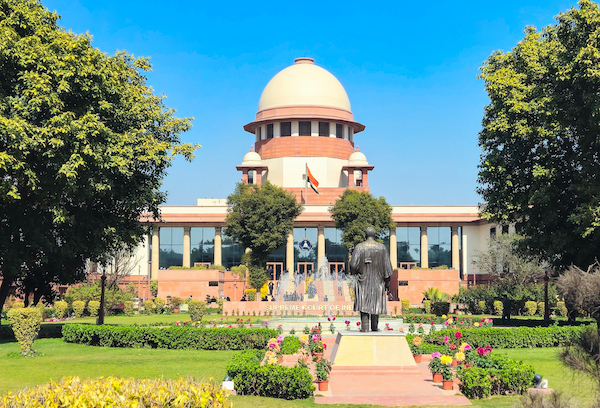
India’s mutual fund business just ran into a hard, first‑principles wall. The Supreme Court has said, in effect, that one cannot break the law to save investors—even if they end up better off on paper. That turns “benevolent breaches” from clever crisis management into core fiduciary failure.
The first principles for mutual funds rest on three pillars comprising a written mandate, a regulatory framework, and a trustee who stands between the manager and the money. Kotak Mahindra Asset Management Company’s Essel episode broke all three. The Fixed Maturity Plan schemes were close‑ended, with clear maturity dates. The regulations clearly stated that mutual fund units must be redeemed in full on maturity, or rolled over with prior disclosure and written consent. Instead, the manager privately extended the underlying Essel debentures beyond scheme maturity, withheld part of the redemption, and paid investors in full only after a negotiated exit months later. The trustee concurred rather than questioning if this was even permissible.
The Supreme Court’s response was guided by the rule book, that outcomes do not disinfect process. If the rule says “redeem or roll over by consent,” there is no third option called “trust us, this will hurt less.” The judgement leans on a strict‑liability reading of securities law that states once a breach is established, a penalty follows regardless of intent or result. That is the first‑principles reset. A fund manager is not a private insolvency court. A trustee is not a brand ambassador; their job is to obey the mandate investors signed up for, not to retrofit it mid‑cycle when a credit investment sours.
Take out the legal jargon, and it becomes a simple question of how managers behave. If you allow “good outcomes” to excuse breaches, you reward the manager who gambles on a workaround and punish the one who takes a clean loss within the rules. Over time, behaviour drifts from prudence to opportunism.
First, you extend one debenture to protect investors. Next, you delay another payout to protect your own track record. Eventually, the system can’t tell where investor interest stops and brand image preservation starts. The Supreme Court has cut that loop by underscoring that the rule book is consequence‑neutral and fund managers must stay inside it.
On trustees, the first‑principles test is even harsher. In the Kotak Mutual Fund case, the trustee “trotted behind” the AMC, endorsing an off‑mandate restructuring instead of asking two basic questions: is this allowed under the regulations, and do unitholders get a real choice? Once you see trustees as behavioural guardrails, the verdict is less about one Essel bet, and more about the tendency to cite retail investor interest as bargaining chips in lender meetings.
What does this mean going forward? In practical terms, it forces the mutual industry to be reluctant to improvise products. Riskier, more bespoke credit will migrate to structures where investors knowingly sign up for that flexibility—AIFs, PMS, separate accounts. Within mutual funds, stress responses will have to follow the rule book. There is less room for “we’ll fix it in the room and tell you later.”
For investors and analysts, the first‑principles filter becomes simple. When the next credit shock hits a debt fund, the question isn’t “did they rescue the NAV?” It is “did they stick to the mandate and the regulator’s playbook?” If the answer is no, it does not matter how elegant the workaround looks in hindsight.
The Supreme Court has just reminded the mutual fund industry that in a fiduciary business, process is the product.
.png)