.png)

Sarci-Sense: The Great Indian Age Camouflage
Middle age no longer wants to age. It wants to blend in. Somewhere between self-care and silent panic, a generation has decided that growing older must be negotiated quietly.

Dr. Srinath Sridharan is a Corporate Advisor & Independent Director on Corporate Boards. He is the author of ‘Family and Dhanda’.
March 8, 2026 at 7:20 AM IST
There was a time when middle age arrived with ceremony. It showed up in sensible clothing, predictable routines, and the quiet confidence of people who no longer needed to impress strangers. Our parents did not attempt to look younger. They attempted to look settled. Respectable was the aspiration. Not relevant.
That era has politely exited the group chat.
Today’s middle-aged Indian does not fear ageing. He fears looking like he has aged. The difference is subtle and extremely expensive.
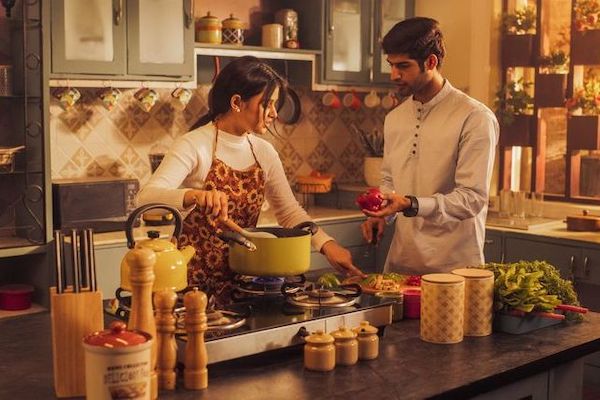
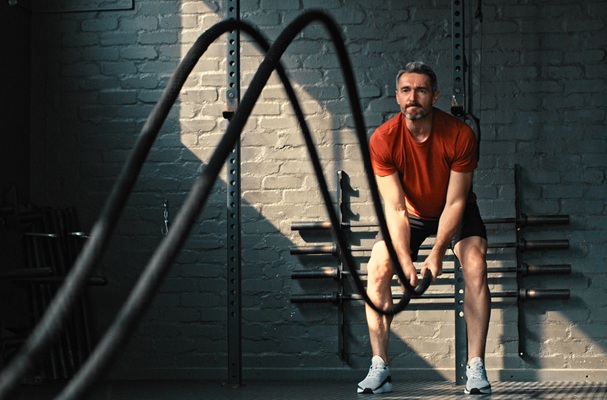
Walk into any urban café on a Saturday morning and you will see the new midlife uniform. Premium sneakers paired with careful casuals. Gym-toned arms emerging from athleisure that costs more than earlier monthly salaries. Hair that looks effortlessly maintained but is supported by an entire private economy of products, treatments, and discreet consultations.
Nothing here is accidental. This is not vanity. This is strategy.
Middle age in modern India has quietly entered what can only be described as the Age Camouflage phase.
The goal is not to look twenty-five. That would be ridiculous and visibly so. The goal is to avoid looking clearly forty-eight. To remain in that ambiguous zone where strangers hesitate before guessing your age. It is a delicate, ongoing project.
Part of this shift is understandable. We are living longer. Working longer. Appearing in professional environments where age no longer automatically confers authority. The forty-five-year-old executive now sits across the table from colleagues who were in middle school when his career began. The pressure to remain visually and culturally current is real.
But something else is also happening beneath the surface.
Ageing itself has become slightly impolite.
In urban India’s aspirational classes, looking visibly older now carries a faint social penalty. Not formal discrimination, but something more modern and more subtle. You risk becoming background. You risk becoming the person in the room who is respected but not quite included in the future.
Relevance, today, has an aesthetic component.
And so middle age has responded the way the middle class always does. Methodically. Industriously. With research.
Skin care routines have become gender neutral. Salon visits are no longer occasional. Fitness is no longer about health alone. It is about signal. Even language is being updated. Forty-five-year-olds now speak fluently about gut health, cold plunges, protein targets, and intermittent fasting, often with the slightly breathless energy of people determined not to be left behind by their own children.
This is not entirely ridiculous. It is, in many ways, deeply human.
Nobody enjoys feeling obsolete.
But the comedy begins when maintenance quietly becomes mimicry.
You see it in the wardrobe first. Denim choices that are technically current but emotionally anxious. Footwear that is aggressively youthful paired with expressions that have seen too many insurance renewals. The occasional enthusiastic adoption of slang that arrives half a beat too late.
Middle age today is trying very hard not to look like middle age.
Social media has accelerated this transformation brutally. Platforms have compressed visible age. Everyone appears lit, filtered, energised, and suspiciously well rested. The forty-five-year-old scrolling through this landscape does not consciously decide to compete. But the comparison enters quietly.
Am I looking dated.
Am I keeping up.
Am I fading.
These are not dramatic fears. They are ambient ones. They hum gently in the background while life otherwise appears perfectly functional.
Women, of course, have lived under this surveillance far longer and far more intensely. The beauty economy has been studying female ageing for decades with clinical precision. What is new is the rapid closing of the gender gap. Urban men are now fully enrolled in the maintenance economy, just a few years behind and slightly more discreet about receipts.
Hair clinics are busier. Dermatology waiting rooms are more diverse. Grooming conversations have migrated comfortably into male WhatsApp groups under the safe cover of “fitness” and “wellness.”
The market has noticed. It always does.
India’s anti-ageing and premium grooming industries are not growing because people suddenly discovered self-love. They are growing because middle age has discovered visibility risk.
And yet, beneath the lotions and lunges and carefully curated casualwear, something more interesting is unfolding.
Many middle-aged adults are not trying to look younger out of vanity. They are trying to negotiate a new cultural contract. For the first time in Indian history, middle age is not automatically the centre of social gravity. Youth culture moves faster. Workplaces skew younger. Digital spaces reward novelty over experience.
The old script of ageing with quiet authority no longer guarantees relevance.
So people adapt.
Some adapt gracefully. They update their health, their skills, their thinking. They remain curious without becoming performative. These are the adults who look current without looking anxious. They are rare and immediately recognisable.
Others overcorrect.
The weekend energy becomes slightly forced. The travel becomes slightly urgent. The enthusiasm becomes slightly louder than necessary. You see them at brunch tables, at fitness studios, at airport lounges, performing vitality with admirable commitment.
Nobody is entirely fooled. But nobody is entirely unsympathetic either.
Because the truth is uncomfortable.
Middle age today is happening in public.
Previous generations aged within relatively stable social circles. Today’s forty-five-year-old is ageing on LinkedIn, on Instagram, in open offices, in algorithmic comparison with people fifteen years younger and digitally sharper. The psychological pressure is real, even if rarely admitted.
Still, there is a quiet line that, once crossed, turns adaptation into exhaustion.
You know it when you see it.
When self-care stops feeling like care and starts feeling like correction. When fitness becomes punishment. When fashion becomes camouflage. When the effort to stay relevant begins to consume the very ease that once made maturity attractive.
Because here is the thing middle age eventually rediscovers, usually after spending a great deal of money trying to avoid it.
Relevance is not only visual.
The adults who age best are not the ones who successfully imitate youth. They are the ones who remain intellectually alive, emotionally flexible, and socially warm. Curiosity ages well. Kindness ages even better. Calm competence, despite everything the algorithm suggests, still carries quiet authority.
The tragedy is not that middle-aged Indians are trying to look younger. The tragedy is that many are afraid to look fully themselves.
So yes, moisturise. Exercise. Dress well. Stay healthy. Upgrade intelligently.
But at some point, the performance must relax.
Because one day, if you are not careful, you will look perfectly current in every photograph and still feel strangely out of place in your own life.
And that is a far more expensive mistake than ageing.
More From BasisPoint