.png)

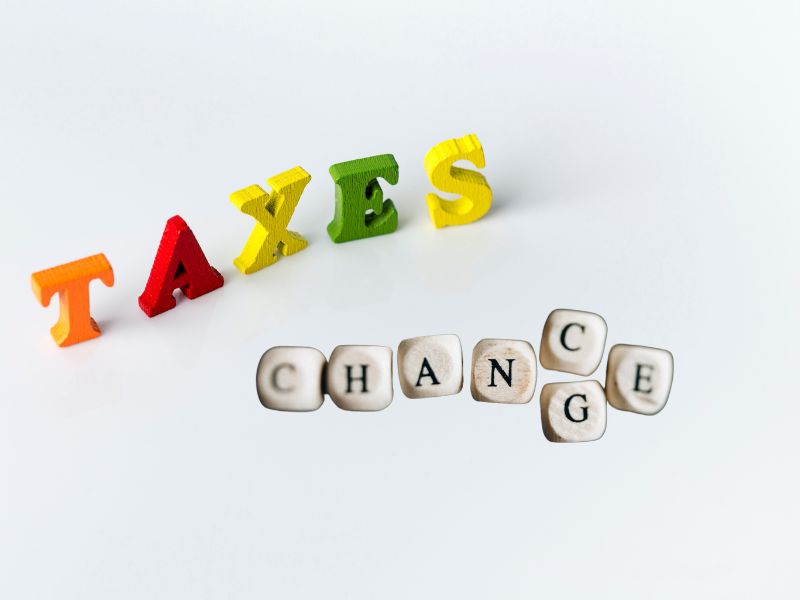
Riding The Upheavals And Pushing Growth – Time To Scrap Income Tax Act, 1961
Scrapping the outdated Income Tax Act, 1961, is crucial for reviving growth and reducing the burden on middle-income households. Incremental tweaks won’t suffice—India needs radical tax reforms to stimulate spending and pull the economy out of its slowdown.
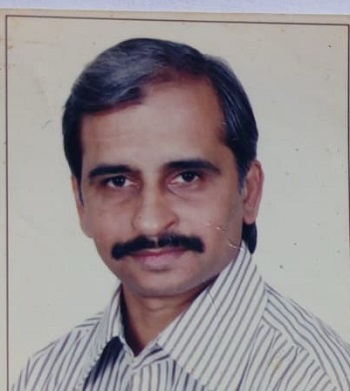
Muralidhar, ex-NDTV Profit Managing Editor, has led editorial teams at CNBC-TV18, ET NOW, and The Financial Express, specialising in markets.
January 30, 2025 at 1:03 AM IST
One of the biggest challenges facing the Indian economy today is uncertainty. This is a sharp U-turn from the optimism that dominated markets, social media, and political leadership just a few months ago. Suddenly, sentiment has shifted—rhetoric is fading, and reality is setting in
Markets always oscillate between extremes, but they eventually stabilise at an equilibrium based on fundamentals and expectations. The era of excess liquidity, overconfidence, and inflated valuations is over. The question now is: how much further will the markets fall, and for how long? While exact predictions are difficult, key indicators suggest that a slowdown is underway. The signs are clear—corporate earnings are weak, inflation remains stubbornly above 5% (give or take a few percentage points, adjusted for seasonality and base effects), and GDP growth continues to falter.
The goal here is not to paint a bleak picture but to advocate timely corrective measures—from both the government and the Reserve Bank of India. Liquidity is tightening, costs are rising across sectors, and household investment portfolios have taken a hit, shrinking by an average of 20-25%.
The first casualty will be discretionary spending by the salaried middle class and lower-income groups. Anecdotal evidence suggests that households are already cutting back on non-essential expenses. A telling example is the seasonal spike in home renovations ahead of festivals like Diwali and Makar Sankranti—a ritual for many Indian families. The extent of the impact will become clearer when Asian Paints releases its earnings in February.
Asian Paints’ stock has dropped 33% from its September 2024 peak. Even after adjusting for seasonal fluctuations and market euphoria, the decline remains significant. As a sector, paints act as a proxy for discretionary spending, reflecting the broader economic pulse. There are many other indicators, but the paint industry’s widespread consumer base makes it a reliable barometer of economic health.
That the economy is slowing down is now undeniable. The real question is: what’s next?
At this stage, rhetoric alone cannot revive the economy. Lofty slogans like "Viksit Bharat" may inspire, but without a solid economic foundation, they will remain aspirational rather than actionable.
More than ever, the upcoming budget holds the key. The economy needs what every household needs—relief from taxation. It is well known that the salaried class bears the brunt of both income and expenditure taxes. A paradigm shift in tax policy is now imperative.
For decades, every attempt to modify income tax laws has been superficial—procedural tweaks, simplifications, or initiatives like Saral have only streamlined compliance rather than offering real relief. These changes benefit the government by increasing tax collection but do little for citizens.
For meaningful relief, a radical tax overhaul is required. The first step should be a substantial exemption for incomes up to ₹1 million. The average cost of living for a family of four in metros is around ₹100,000 per month, while in non-metros, it is ₹60,000-80,000. This essential income must be tax-exempt. Goods and Services Tax on essential spending adds another burden, but income tax relief would provide immediate respite.
A fundamental shift in taxation policy can only happen if the outdated Income Tax Act of 1961 is abolished. The Act’s original four objectives—revenue generation, wealth redistribution, economic regulation, and compliance—are no longer relevant in their current form. Revenue generation and wealth redistribution sound noble in theory but, in practice, serve primarily political interests. Welfare schemes, often weaponised during elections, do little to create sustainable wealth. The debate intensifies before elections and fizzles out once a new government is sworn in.
The Finance Minister announced in the last budget an ambitious plan for comprehensive direct tax reforms. She stated:
"The purpose is to make the Act concise, lucid, and easy to read and understand. This will reduce disputes and litigation, thereby providing tax certainty to taxpayers. It will also bring down pending demand embroiled in litigation. It is proposed to be completed in six months."
The terms of reference appear more of the same.
The Bharatiya Janata Party government, led by Prime Minister Narendra Modi, has undertaken many bold initiatives. Now, it must take one more—rewrite India’s taxation system to promote growth.
This is not about marginal tax cuts or minor exemptions. It’s about structural, radical reforms that offer substantial relief to the middle class. Such a move would not only ease financial stress but also unleash fresh consumption demand, helping the economy break free from its 6% growth stagnation. The time for half-measures is over. If India wants to move forward, it must start by rethinking how it taxes its people.
More From BasisPoint