.png)

July 23, 2025 at 1:31 PM IST
The most culturally and politically significant aspect of the US–Japan trade deal announced by President Trump on July 22, 2025, is Japan’s decision to open its domestic rice market to US exports, a move that marks a profound shift in Japan’s post-war trade policy, thinktank Global Trade Research Initiative said in a note.
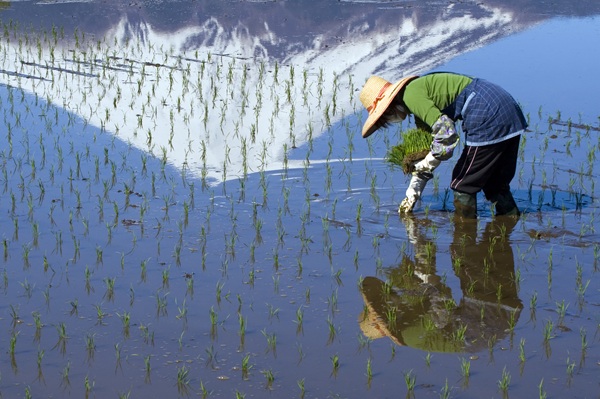
For decades, rice in Japan was more than just a staple crop; it was a symbol of national identity, food sovereignty, and rural stability. Smallholder rice farmers enjoyed strong political backing, and successive governments protected the sector through sky-high import tariffs, along with a web of non-tariff barriers including quota-based licensing, sanitary protocols, and country-specific testing rules. These measures effectively shut out cheaper, highly subsidized US rice from the Japanese market, GTRI said.
The United States and Japan announced a landmark trade agreement featuring reciprocal tariffs of 15%, lower than earlier threatened rates of up to 25%. The deal also includes a substantial Japanese investment package worth $550 billion aimed at boosting the American economy, particularly benefiting sectors such as automobiles and agriculture. While the deal removes uncertainties related to previously announced higher tariffs, notably on auto imports, it maintains existing 50% tariffs on steel and aluminium. Markets reacted positively, with Japan's Nikkei index surging nearly 3.5% and auto stocks experiencing notable gains in both countries.
The inclusion of rice in the July 2025 deal signals the decline of Japan’s powerful agricultural lobby which had historically resisted all attempts to liberalise rice imports, said GTRI Founder and trade expert Ajay Srivastava.
In contrast, Japan’s automotive industry, accounting for over a quarter of its exports to the US, has gained considerable influence over trade policy.
Under the new agreement, Japan secures a reduction in US auto tariffs from 25% to 15%, while eliminating its own tariffs on US agricultural goods, including rice, and committing to a massive $550 billion investment in the US, with 90% of the profits flowing back to the United States.
The outcome is emblematic of a broader global trend: the political center of gravity is shifting from farms to factories, and from food security to industrial competitiveness, it said.
For India, the Japan deal offers a cautionary tale. With over 700 million Indians dependent on agriculture for their livelihood, food security and rural stability remain central to national interest. India, like Japan, faces growing external pressure, particularly from the United States, to open its markets to subsidised agricultural imports, including genetically modified feed and dairy, and to harmonize its regulatory standards, said Ajay Srivastava.
For countries like India, where agriculture remains central to livelihoods, food security of 700 million people, and political stability, this development is a stark reminder of what’s at stake when trade deals are shaped by commercial pressure rather than balanced national interest.
Trade policy must be shaped not just by market access goals, but by long-term development, social equity, and food sovereignty.
More From BasisPoint