.png)

Asia Edges Higher as Iran Sanctions Relief Eases Energy Concerns
Here’s your quick read to start the day: a chatty, no-fuss look at overnight moves, the big story, what’s on the docket, and the tickers you need to watch.
June 23, 2026 at 2:11 AM IST
GLOBAL MOOD: Risk On
Drivers: US Waiver for Iran Oil, Hormuz Shipping Normalisation,
Asia-Pacific markets traded with a mildly risk-on tone on Tuesday as investors welcomed further progress in US-Iran negotiations and a sharp decline in oil prices, although gains remained measured amid lingering uncertainty over a final peace settlement.
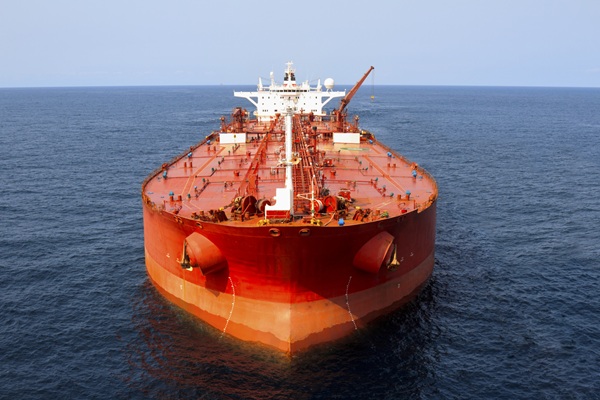
Sentiment was supported by Washington's decision to grant Iran a 60-day sanctions waiver, allowing exports of crude oil and petroleum products while negotiations continue toward a broader agreement. The move reinforced expectations that energy supplies from the Gulf will continue normalising following the reopening of the Strait of Hormuz, easing fears of disruptions to global oil flows.
Oil prices fell around 3% as traders unwound remaining geopolitical risk premiums, helping improve the outlook for inflation and global growth. Investors also took comfort from reports that US and Iranian officials had agreed on a roadmap toward a permanent accord.
However, caution persisted as key issues, including Iran's nuclear programme, remain unresolved. Markets are therefore balancing optimism over de-escalation against uncertainty surrounding the durability of the emerging peace framework.
THE BIG STORY
The easing of restrictions helped restore tanker traffic through the Strait of Hormuz and contributed to a sharp decline in oil prices, which fell about 3% as concerns over supply disruptions receded. US Vice President JD Vance said negotiations had laid a solid foundation for a final peace deal, although Tehran denied that formal discussions on its nuclear programme had begun. The sanctions relief marks a significant shift in US policy and provides Iran with a pathway to restore oil exports while broader negotiations continue.
Separately, Elon Musk's SpaceX tapped bond markets for the first time following its recent IPO, seeking longer-term financing to support expansion in artificial intelligence and next-generation rocket programmes.
Data Spotlight
Japan's Composite PMI climbed to 52.5 in June from 51.1 in May, a three-month high and the 15th consecutive month of private-sector expansion. Growth was led by the strongest rise in manufacturing output since January 2022, while new orders rose the most in four months. Input cost inflation accelerated for a fifth straight month to its strongest since July 2022, driven by higher energy and raw material costs tied to the West Asia conflict, though output price inflation eased from May's record.
Takeaway: Japan's private sector activity strengthened notably in June, with manufacturing leading the recovery on robust domestic and foreign demand. However, rising input costs linked to the West Asia conflict and persistent labour shortages present growing headwinds, tempering the otherwise upbeat expansion picture.
WHAT HAPPENED OVERNIGHT
- US stocks mixed as megacap tech slumps and SpaceX suffers biggest single-day drop
- The Dow rose 0.29%, while the S&P 500 lost 0.37% and Nasdaq dropped 1.32% as megacap tech stocks weighed on sentiment.
- SpaceX fell 16.4% in its biggest one-day drop, though it remains above its $135 IPO price, after launching its first debt offering and revealing $100.8 billion in cash.
- Alphabet fell 5% while Meta, Amazon, and Microsoft dropped between 2.3% and 4.7% amid growing investor scrutiny of hyperscaler AI infrastructure spending.
- Communication Services led sector declines at -3.8%, while real estate and energy stocks outperformed among the seven sectors that closed higher.
- US and Iranian officials reported "great progress" at the first round of Switzerland talks, agreeing on a roadmap toward a final deal within 60 days.
- Markets now fully price a 25-basis-point Fed hike in September, with Thursday's PCE data in focus as a potential catalyst for further hawkish repricing.
- Apogee Therapeutics surged 46.7% after AbbVie announced a $10.9 billion cash acquisition; AbbVie rose 6.2%.
- Micron's quarterly results on Wednesday are the next key test for the AI rally, with shares up nearly 300% year-to-date.
- The Dow rose 0.29%, while the S&P 500 lost 0.37% and Nasdaq dropped 1.32% as megacap tech stocks weighed on sentiment.
- US Treasury yields climb to two-week highs as rate hike bets stay elevated
- The 10-year yield rose to 4.5%, its highest in two weeks, while the 2-year climbed above 4.2%, its highest since February 2025.
- Investors returned from the long weekend focused on monetary policy and inflation despite further oil price declines on US-Iran negotiation progress.
- Markets price a 50% chance of a Fed hike as early as September, with at least one 25-basis-point move fully priced in by year-end.
- Thursday's PCE report, the Fed's preferred inflation gauge, is the next key focus for clues on underlying price pressures and the rate path ahead.
- The 10-year yield rose to 4.5%, its highest in two weeks, while the 2-year climbed above 4.2%, its highest since February 2025.
- US dollar rises to one-year-plus high as rate hike bets and West Asia progress lift greenback
- The dollar index climbed to 101, its highest in over a year, as investors refocused on monetary policy and West Asia developments after the long weekend.
- The US and Iran agreed on a 60-day roadmap toward a final deal, with Iran's foreign minister citing "progress," contributing to lower oil prices.
- Markets continue to price in a Fed rate hike this year following last week's hawkish tone and upward inflation forecast revisions, keeping the dollar broadly supported.
- Thursday's PCE report is in focus as the next key read on underlying inflation and the rate path ahead.
- The dollar strengthened the most against the Japanese yen amid growing intervention concerns.
- It edged slightly lower against the British pound following UK PM Keir Starmer's resignation.
- The dollar index climbed to 101, its highest in over a year, as investors refocused on monetary policy and West Asia developments after the long weekend.
- Oil settles more than 3% lower as Hormuz talks progress and Iranian exports resume
- Brent settled at $77.90 per barrel, lower by 3.31%, and WTI at $74.82, down 2.32%, after swinging as high as $82.30 on early fears of war resumption.
- Prices reversed sharply after Vance said progress had been made in Switzerland talks and confirmed the Strait of Hormuz was open.
- The US Treasury authorised Iranian crude oil and petrochemical sales through August 21, with Iran having resumed exports blocked earlier by the US naval blockade.
- Iran did not negotiate on its nuclear program or accept new commitments in Sunday's Switzerland talks, keeping longer-term deal uncertainty alive.
- Two crude tankers carrying 2 million barrels sailed through Hormuz on Monday, with the UAE, Kuwait, and Iraq also offering more oil to customers.
- Saudi Arabia's crude exports fell to a record low of 3.99 million bpd in April, while Iraq plans a gradual production restoration to 4.2-4.3 million bpd.
- ANZ estimates 2-3 million bpd could be restored in the first four weeks, with full supply recovery unlikely this year given logistics and upstream challenges.
- US Strategic Petroleum Reserve stocks fell 9.05 million barrels last week, the third steepest draw on record, as part of a 172 million barrel release agreement.
- Brent settled at $77.90 per barrel, lower by 3.31%, and WTI at $74.82, down 2.32%, after swinging as high as $82.30 on early fears of war resumption.
Day’s Ledger*
- India S&P Global June provisional Manufacturing and Services PMI
- Eurozone June provisional Manufacturing and Services PMI
- US S&P Global June provisional Manufacturing and Services PMI
- US Weekly ADP Employment Data
Corporate Actions
- Patel Integrated Logistics board to consider share buyback
- City Union Bank board to consider fund raising options
- Manappuram Finance board to consider fund raising options
- Satin Creditcare Network board to consider fund raising options
Policy
- ECB's Lane Speaks
- German Buba Mauderer Speaks
- BoC Gov Macklem Speaks
- ECB's Elderson Speaks
Tickers to Watch
- APAR INDUSTRIES said its Saudi Arabia subsidiary has signed an agreement with Saudi Aramco Base Oil Company.
- BHARAT ELECTRONICS secured additional orders worth ₹10.81 billion since May 25, including communication equipment, radars, CBRN systems, seekers, avionics, upgrades, spares and services.
- BIRLA CORPORATION commenced commercial coal production at its Bikram Coal Mine in Madhya Pradesh effective June 22.
- GHV INFRA PROJECTS received a work order worth about ₹2.13 billion from GHV (India) for civil, electrical, mechanical and signal & telecom works.
- HINDUSTAN ZINC signed MoUs with Advantek Associates and Aero Eagle Automobiles to explore green hydrogen and other clean-energy solutions across its operations.
- INFO EDGE (INDIA) said the value of its AI startup portfolio has risen to ₹12.68 billion from investments of ₹6.14 billion across 28 companies, delivering a 2.1x multiple and an estimated gross IRR of 31%.
- JSW INFRASTRUCTURE approved the opening of its QIP on June 22 and fixed the floor price at ₹290.35 per share.
- LEMON TREE HOTELS signed a licence agreement for Lemon Tree Hotel, Janakpur, Nepal, with the property to be managed by subsidiary Carnation Hotels.
- VODAFONE IDEA approved the allotment of 4.3 billion warrants on a preferential basis to promoter-group entity Suryaja Investments.
Must Read
- Why Euroclearability Should Be India’s Next Bond-Market Reform
- The Coming Shakeout In India’s Wealth Management Platforms
- India’s Russian Oil Bet Faces a New Geopolitical Stress Test
- TCS is Best Primed for India Big IT’s Next Sovereign-AI Move
- Why RBI must move from Prudential Oversight to Stewardship
- Non-Financial Bond Issuers Test Waters After Lender-led Start To 2026-27
- Weak Monsoon Threat Raises Prospect of Wider Policy Intervention
- Can anyone fix Britain? Regular change of PM a symptom of UK's malaise
- India's Tata Electronics hit by cyber breach claiming to expose Apple, Tesla trade secrets
- Marc Faber sees 20% fall in Indian markets, prefers to stay in cash
See you tomorrow with another edition of The Morning Edge.
Have a great trading day
India Needs a Tax-Led Push to Revive Private Sector R&D
India's R&D ambitions are growing.
Its private-sector R&D intensity is not.
Sharmila Kantha writes, as major economies increasingly use tax incentives to encourage business innovation, India has moved in the opposite direction, relying more heavily on direct funding mechanisms.
The result raises an important policy question.
If innovation ultimately depends on businesses taking risks and investing in research, what is the most effective way to encourage them to do so?
More From BasisPoint