.png)


June 29, 2026 at 3:40 AM IST
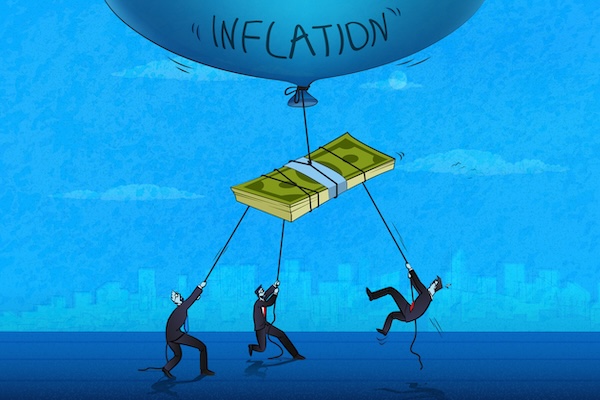
The reopening of the Strait of Hormuz and the reversion of crude price to pre-war levels are a welcome development, as it reduces upside risks to fuel and fertiliser prices. Nevertheless, inflation uncertainty remains high: the US-Iran truce is fragile, and it will take time and money to rebuild infrastructure in the Gulf and repair depleted fuel inventories in other countries. Meanwhile, the southwest monsoon is delayed- as of 26 June 2026, 73% of India’s districts received deficient rainfall. A below-normal monsoon slows crop sowing, impacts agricultural yields, reduces rural income and raises food prices. As the government puts in place plans to support farmers in rain-fed areas, the RBI, on its part, is in wait-and-watch mode. In its last meeting, the monetary policy committee adopted a neutral stance and kept interest rates on hold.
The latest headline CPI print of 3.9% in May 2026 was comfortably within the RBI’s 2-6% tolerance band. However, a deeper dive into inflation data suggests that price pressures may be building up.
Three points are worth noting.
One, food inflation has doubled from 2.1% in January to 4.8% in May 2026, driven mainly by vegetables and meat items. A weak monsoon would add to price pressures by pushing up prices of pulses and cereals as well as seasonal vegetables.
Two, of the three “F”s at risk (food, fuel, fertiliser) only the first is captured properly by CPI, because the CPI basket only includes items of retail consumption, valued at retail prices. Fertiliser prices are not directly included in the index. And prices of fuel items in the CPI basket have not gone up significantly because government controls have shielded retail consumers from excessive price hikes in petrol, diesel and LPG. Thus, the new wholesale price index (WPI) - which reflects prices faced by commercial enterprises- does a better job of assessing the wider war impact. Indeed, WPI inflation numbers are eye-popping: in May 2026, the price sub-index for petrol rose by 36% year-on-year, for LPG by 69%, aviation fuel by 168%, crude by 85% and natural gas by 30%. Given that mineral oils and crude products form under a tenth of the WPI index, it’s not surprising that wholesale inflation was a whopping 9.7% in May.
In other words, wholesale price inflation is at nearly double-digit levels while retail inflation is below 4%. This 5% plus differential between WPI and CPI is unusual for two reasons. The difference is much wider than the average 1.7% gap seen in 2025-26. More importantly, the gap is the result of higher wholesale inflation, rather than the other way round.
Upstream Pressures
Policy makers will be watching to see if the second-round effects last long enough to spread across non-fuel items and become embedded in inflation expectations.
The third point is the newly introduced output producer price index, or PPI. The output PPI measures the average change in prices received by a producer on the production or sale of output. Headline PPI inflation behaves a lot like WPI- rising from 1.4% in January to 9.4% in May- in fact, PPI is expected to replace WPI in five years. But the more relevant variable is core PPI, which is used globally to assess price pressures faced by producers after stripping away volatile food and fuel items. India’s Core PPI inflation started spiking from March 2026, coinciding with the onset of the Iran War. Higher core PPI inflation does not automatically mean higher retail inflation, but it is a warning signal, and producers will be compelled to raise prices if it persists for much longer.
The outlook for inflation depends on the progress of the monsoon, conditions in the Middle East, and the ability of producers to absorb higher costs. The good news is that adding PPI and the revamped WPI to existing inflation indicators enables better monitoring of underlying price pressures. The bad news is that none of them are signalling lower prices at this point.
More From BasisPoint