.png)

Asia Markets Rise as Diplomacy Hopes Drive Risk-On Sentiment
Here’s your quick read to start the day: a chatty, no-fuss look at overnight moves, the big story, what’s on the docket, and the tickers you need to watch.
Richard is an independent financial journalist who tracks financial markets and macroeconomic developments
April 15, 2026 at 1:48 AM IST
GLOBAL MOOD: Cautiously Risk-On
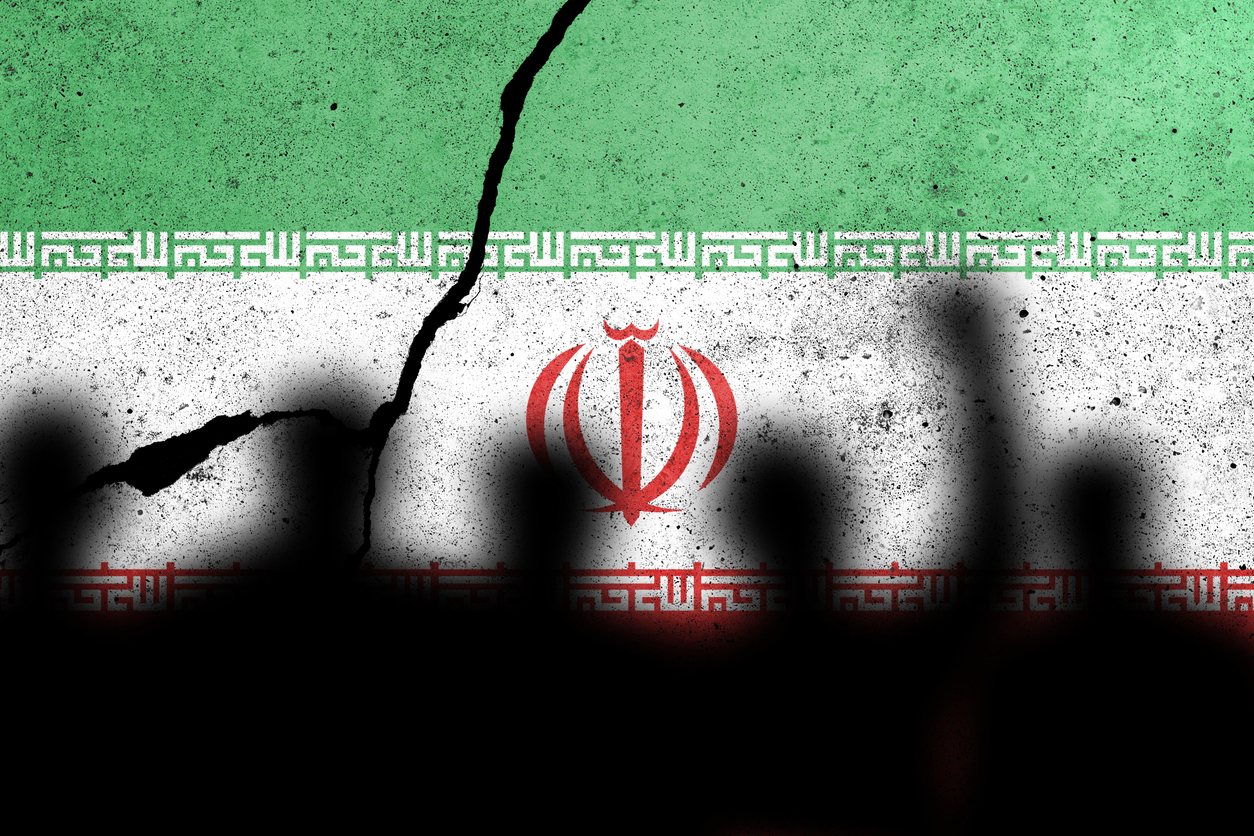
Asia-Pacific markets opened with a clear risk-on tone on Wednesday, supported by easing oil prices and renewed hopes of diplomacy in the West Asia conflict. Gains followed a strong lead from Wall Street, as investors responded to reports that a second round of US–Iran negotiations could take place soon.
Crude prices softened, with WTI Crude and Brent Crude extending losses, signalling reduced concerns over immediate supply disruptions. Optimism was further supported after Donald Trump indicated that talks with Tehran could resume within days, raising expectations of a diplomatic breakthrough.
The combination of falling oil prices and easing geopolitical tensions improved risk appetite across equities, although the absence of a formal negotiation timeline suggests markets remain sensitive to further developments.
TODAY’S WATCHLIST
THE BIG STORY
Encouragingly, parallel diplomatic efforts are also underway, with rare direct talks between Israel and Lebanon taking place, marking a significant geopolitical development despite unresolved differences. However, the continued blockade and lack of clarity on the Strait of Hormuz keep underlying risks intact.
The broader economic impact is becoming more visible, with the IMF trimming its global growth forecast to 3.1% for 2026 down by 0.2 percentage points and 3.2% for 2027, reflecting the drag from the ongoing conflict. Growth is expected at 2.3% for the US in 2026, 4.4% for China, and just 1.1% for the Euro Area, while the UK and Japan are seen expanding at 0.8% and 0.7% respectively. The IMF also noted that the current energy shock is comparable in scale to the 1974 oil crisis, underscoring the risk that prolonged tensions could further weaken global growth and keep inflation pressures elevated.
Data Spotlight
US crude inventories rose sharply by 6.1 million barrels, marking a second consecutive weekly build and signalling renewed supply accumulation amid volatile geopolitical conditions.
On inflation, US producer prices increased 0.5% month-on-month and 4.0% year-on-year, coming in below expectations, suggesting that while energy costs remain elevated, broader price pressures are not fully transmitted. Goods prices surged 1.6%, driven by an 8.5% jump in energy, while services inflation remained flat, indicating uneven pricing dynamics.
Business sentiment weakened further, with the NFIB Small Business Optimism Index falling to 95.8, below its long-term average, as higher input costs and uncertainty weighed on outlook. The uncertainty index rose to 92, while profit trends and expectations for business conditions deteriorated.
Takeaway:
WHAT HAPPENED OVERNIGHT
- US stocks rally as diplomacy hopes and softer inflation lift sentiment
- Nasdaq surged 2.0%, S&P 500 gained 1.18%, and Dow Jones rose 0.66%.
- Optimism builds on potential resumption of US–Iran talks and easing geopolitical tensions.
- Progress in Israel–Lebanon dialogue further supports risk sentiment.
- Softer PPI data reinforces cooling inflation outlook, supporting equities.
- Financials stocks were mixed; BlackRock rose 3.0% and Citigroup gained 2.6% on strong earnings, while Wells Fargo declined on weaker interest income
- Airline stocks rallied, with American Airlines up 8% and United Airlines gaining 2% on merger speculation
- Nasdaq extends winning streak to 10 sessions, nearing record highs.
- Nasdaq surged 2.0%, S&P 500 gained 1.18%, and Dow Jones rose 0.66%.
- US Treasury yield hover near lows as diplomacy hopes ease inflation concerns
- The 10-year yield remains around 4.30%, near recent lows supported by easing inflation fears amid renewed US–Iran negotiation hopes.
- Donald Trump signals potential resumption of talks despite earlier blockade announcement.
- Oil price decline on ceasefire optimism helps reduce pressure on inflation expectations.
- Producer prices rose 0.5%, below expectations, reinforcing softer inflation outlook.
- Labour market remains steady, with 39,250 jobs added in latest ADP data.
- Markets scale back expectations of aggressive Fed tightening.
- The 10-year yield remains around 4.30%, near recent lows supported by easing inflation fears amid renewed US–Iran negotiation hopes.
- US Dollar declines as easing inflation and diplomacy hopes weigh
- The US dollar index falls to around 98, marking a seventh consecutive session of decline and lowest level since late February.
- Weakness driven by optimism around potential resumption of US–Iran talks in Pakistan.
- Donald Trump signals renewed diplomatic engagement after recent escalation.
- Softer inflation tone adds pressure, with PPI rising 0.5%, reinforcing cooling price momentum expectations.
- Markets increase bets on potential policy easing amid improving inflation outlook.
- Dollar remains under pressure as risk sentiment improves and the demand for safe-haven fades.
- The US dollar index falls to around 98, marking a seventh consecutive session of decline and lowest level since late February.
- Oil tumbles on renewed diplomacy hopes despite ongoing supply risks
- Brent crude falls 4.6% to $94.79 per barrel, while WTI drops 7.9% to $91.20.
- Decline driven by optimism around potential resumption of US–Iran talks to end conflict.
- Hopes of easing tensions reduce immediate concerns over prolonged Strait of Hormuz disruption.
- Markets unwind part of geopolitical risk premium built during blockade escalation.
- However, supply risks remain elevated as Strait flows are yet to normalise and disruptions persist.
- Oil remains highly sensitive to negotiation outcomes and geopolitical headlines.
- Brent crude falls 4.6% to $94.79 per barrel, while WTI drops 7.9% to $91.20.
Day’s Ledger*
Economic Data
- Euro Industrial Production
- India March Trade Data
- India March WPI Data
Corporate Actions
- Jan-Mar Earnings: Bombay Wire, GTPL Hathway, HDB Financial, ICICI Lombard, Reliance Industrial Infra, Tejas Networks
- Advance Multitech board to consider fund raising
- Alfa Transformers board to consider fund raising
Policy
- BoE Greene Speech
- RBA Hauser Speech
- ECB Lagarde Speech
- BoE Bailey Speech
- Fed Barr Speech
Tickers to Watch
- GAIL to invest ₹ 38 billion in 700 MW solar projects in UP, Maharashtra
- Fitch upgrades Shriram Finance long term foreign currency ratings to BBB-
- Poonawalla Fincorp raises ₹ 25 billionh via QIP to fund growth plans
- Birla Estates receives bookings of ₹ 6.50 billion at Bengaluru project
- Lodha Developers expects ₹2 trillion revenue from monetisation of land bank
- UltraTech takes centre stage as it phases out 3 iconic South Indian brands
- Everstone invests $270 million in Apothecon-Navinta specialty pharma platform
- Boiler blast at Vedanta plant in Chhattisgarh kills 9, injures 15
Must Read
- Pharma supply chains face Hormuz fallout, delays and cost pressures
- China export growth slows to 2.5% in March amid Iran war uncertainty
- Govt extends EV subsidies to aid adoption: Temporary fix or targeted move?
- Govt notifies pricing framework for low-grade iron ore to boost output
- Oil shock may push inflation higher, slow growth: S&P Global report
- IMF lifts India FY27 growth to 6.5% as lower US tariffs offset risks
See you tomorrow with another edition of The Morning Edge.
Have a great trading day
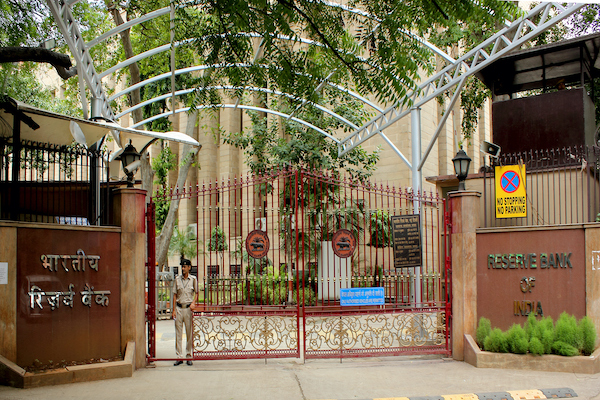
𝐑𝐞𝐢𝐧𝐟𝐨𝐫𝐜𝐢𝐧𝐠 𝐓𝐫𝐮𝐬𝐭 𝐢𝐧 𝐈𝐧𝐝𝐢𝐚’𝐬 𝐑𝐚𝐩𝐢𝐝𝐥𝐲 𝐄𝐱𝐩𝐚𝐧𝐝𝐢𝐧𝐠 𝐏𝐚𝐲𝐦𝐞𝐧𝐭 𝐒𝐲𝐬𝐭𝐞𝐦
India’s payments story is no longer about scale—it is about trust. With digital transactions surging, the Reserve Bank of India is shifting its focus from access to protection, tightening authentication norms and introducing shared liability for fraud.
Kembai Srinivasa Rao writes, the message is clear: growth without trust is fragile. Moving beyond OTP-based security to behaviour-led authentication, and asking banks to share responsibility for fraud losses, marks a structural reset in how risk is managed in the system.
(*Compiled from various media sources)
More From BasisPoint