.png)

Asia Markets Mixed as Iran War Escalation Counters AI Earnings Boost
Here’s your quick read to start the day: a chatty, no-fuss look at overnight moves, the big story, what’s on the docket, and the tickers you need to watch.

Nandinee Keluskar is an independent financial journalist.
August 12, 2026 at 2:19 AM IST
Global Mood: Cautiously Risk-off
Drivers: Hormuz Talks Stalled, Dual Chokepoint Attacks, North Korean Missiles in Ukraine
Asian markets were mixed Wednesday as strong AI earnings provided some support, but renewed attacks on key shipping routes and fading hopes of a quick US-Iran settlement kept risk appetite fragile. South Korea’s Kospi gained 1.17%, while Japan’s Nikkei fell 0.17% and Australia’s ASX 200 declined 0.52%. Optimism over AI spending lifted US technology sentiment, with Super Micro Computer and CoreWeave rallying on stronger guidance and margins. However, investors remained cautious ahead of US July CPI data, which could influence expectations for the Federal Reserve’s policy path.
Geopolitical risks remained the main drag as attacks hit shipping around Bab el-Mandeb and the Gulf of Oman, while Iran maintained its conditions for reopening the Strait of Hormuz. Oil prices edged higher as supply risks resurfaced. Escalating Russia-Ukraine strikes on industrial infrastructure added to the risk-off backdrop, reinforcing concerns over energy prices, inflation and global growth.
THE BIG STORY
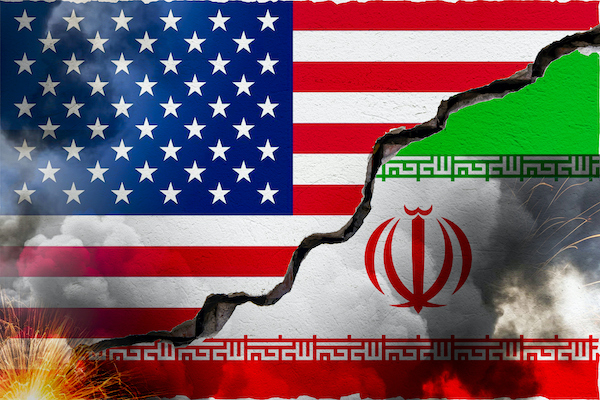
The Iran war's diplomatic and military tracks both deteriorated Tuesday as fresh attacks on shipping at both Bab el-Mandeb and the Gulf of Oman underscored the widening chokepoint crisis even as Pakistan signalled the sides were close to "some sort of deal." Houthis killed four crew members and two rescuers in a strike on the Egyptian-owned cargo vessel Tihamah in the Bab el-Mandeb, the first confirmed Houthi shipping fatalities since the war began, and subsequently attacked a Saudi military cargo ship in the same strait. The US Navy separately struck a Panama-flagged vessel attempting to reach an Iranian port in the Gulf of Oman, firing Hellfire missiles from an MH-60 helicopter to disable its steering. Iran meanwhile reiterated that Hormuz would remain closed until Washington accepts its conditions, including compensation, sanctions relief and an end to military threats, while oil prices ticked up and global shares retreated on renewed pessimism about a quick resolution.
In Ukraine, Russia struck the Zaporizhstal steel plant in Zaporizhzhia with a combination of Zircon hypersonic missiles, guided aerial bombs and North Korean ballistic missiles, killing seven workers and halting production entirely. Zelenskiy confirmed Moscow used North Korean-supplied missiles in the attack, adding to concerns about the deepening Russia-North Korea military relationship. The assault damaged four residential buildings and injured 24 people, following a Ukrainian drone strike the previous day that killed 13 in Nizhnekamsk. Both sides are now running parallel deep-strike campaigns against industrial and energy infrastructure, with civilian casualties mounting on each front as diplomatic efforts on both the Iran and Ukraine conflicts remain mired in competing demands and mutual distrust.
Data Spotlight
US existing home sales fell 1.7% month-on-month in July to a seasonally adjusted annual rate of 4.05 million units, a second consecutive monthly decline, as higher mortgage rates continued to weigh on demand. The median price rose 2% year-on-year to $434,100, while inventory dipped 1.9% to 1.54 million units. NAR's chief economist noted year-to-date sales remain up 2.4%, though flagged that a return to 6% mortgage rates would meaningfully lift activity.
The NFIB Small Business Optimism Index jumped to 99.8 in July, the highest since August 2025 and above forecasts of 97.5, with hiring plans hitting their highest level since October 2022. Both actual and planned price increases fell notably, with the net share of owners raising prices dropping 7 points to 31%. The uncertainty index edged up, however, as more owners questioned whether conditions favour expansion.
US crude inventories rose by 9.07 million barrels in the week ending August 7th, far exceeding expectations for a 500,000-barrel draw, driven by higher imports relative to exports. SPR reserves fell a further 6.1 million barrels to 298.7 million barrels, approaching the accepted operational minimum, while US crude production edged up to 13.804 million bpd.
Takeaway: Surging crude inventories and easing small business price pressures offer tentative disinflationary signals, though persistently high mortgage rates keeping existing home sales under pressure and rising SPR drawdowns point to ongoing supply-side vulnerabilities in the energy market.
WHAT HAPPENED OVERNIGHT
US stocks slip as Iran impasse deepens and tech megacaps weigh
- The S&P 500 fell 0.32%, Nasdaq dropped 0.60%, and the Dow declined 0.34%, as Iran's newly appointed security council secretary said the Strait of Hormuz would remain closed until the US accepts Tehran's conditions.
- On tumbled 20.3% after missing quarterly sales estimates, while Venture Global fell 7.3% on a slight revenue miss, and Jabil climbed 5.9% after a UBS upgrade to buy.
- CPI and PPI data due over the next two days are the key focus for shaping Fed policy expectations, with traders evenly split on the likelihood of a September rate hike per CME FedWatch.
- Signs that Microsoft and Amazon AI data centre investments are paying off have underpinned broader sentiment, helping lift the S&P 500 to record highs last week despite ongoing West Asia tensions.
US Treasury yields ease as diplomatic signals and steadying oil prices calm inflation fears
- The 10-year yield dipped to 4.68% after Monday's rise above 4.71%, as Pakistan signalled the possibility of a US-Iran agreement to ease tensions and reopen the Strait of Hormuz.
- The situation remains highly fragile, with no deal confirmed and both sides still far apart on key conditions.
- Wednesday's CPI report is the key near-term focus, expected to show continued easing in energy-related price pressures following the initial post-war inflation surge.
- Markets are evenly split on the September Fed decision, with 50% odds of both a hike and a hold.
Dollar holds near 99.8 as yen reversal and Fed hike signals offset two-month low rebound
- The dollar index steadied after Friday's two-month low of 99.5, supported by fresh yen weakness as short positions rebuilt following the completion of the US-Japan joint FX intervention.
- Treasury Secretary Bessent had bought yen with euros via the Exchange Stabilisation Fund to prevent Japan from selling US bonds, but mounting Japanese fiscal pressures and surging US long yields drove the dollar to rebound against the yen.
- Cleveland Fed President Hammack reiterated her view that a rate hike is appropriate to combat inflation, adding to hawkish pressure ahead of Wednesday's CPI report.
- Core inflation is expected to slow for a second month, though elevated wholesale energy prices challenge the case for a hold and keep the September decision finely balanced.
Oil edges up to one-week high as Iran signals Hormuz will stay shut until US changes behaviour
- Brent settled at $88.91/bbl, up 1.4%, and WTI at $83.20, up 1.3%, their highest closes since July 31 for a second straight session, with Brent up 44% year-to-date.
- Iran's newly appointed security council secretary gave the strongest indication yet that Hormuz will remain closed unless the US abides by its June MOU commitments, regardless of any Iran-Oman shipping lane agreement.
- Strait of Hormuz traffic dropped to six vessels on Monday from a 10-day average of ~11, compared with a pre-war daily average of 125-140 vessels.
- The EIA said some West Asia producers are likely to struggle to restore output to pre-conflict levels by end-2027, even if trade patterns normalise by early next year.
- Houthis attacked a Saudi military equipment ship in Bab el-Mandeb, while a suspected US strike hit a container ship off Pakistan, widening the theatre of maritime disruption.
- Libya's NOC warned it could declare force majeure if drone attacks on Zawiya energy assets continue, adding another potential supply disruption front.
- ADNOC issued its eighth spot crude tender since June as the UAE works to move oil from inside the Strait of Hormuz, while Ukraine struck a Russian refinery in Orsk overnight.
- Analysts estimate US crude stocks fell 0.5 million barrels last week, well below the five-year average build of 3.1 million barrels for the same period.
Day’s Ledger*
Economic Data
- India July CPI
- US July CPI
- US Crude Oil Inventories
Corporate Actions
- Earnings: Apollo Hospitals Enterprise, GIC Housing Finance, General Insurance Corporation of India, Gujarat State Fertilizers & Chemicals, Hindustan Aeronautics, Indian Railway Catering And Tourism Corporation, Jagran Prakashan, Mahanagar Telephone Nigam Limited, Mukand, Tata Motors
Tickers to Watch
- CANARA BANK: Hikes 1-month MCLR by 5 bps to 8.05%, 1-year MCLR by 5 bps to 8.80% and 3-year MCLR by 5 bps to 9.10%.
- FIRSTSOURCE SOLUTIONS: Partners with Cresta to deliver AI technology solutions.
- GMR POWER & URBAN INFRA: Board to consider raising up to 30 billion rupees via QIP, bonds and other instruments on Aug 14.
- GODREJ CONSUMER PRODUCTS: Appoints Aasif Malbari as MD & CEO from Aug 12; Sudhir Sitapati resigns as MD & CEO, while Vishal Kedia takes over as Interim CFO.
- GRASIM INDUSTRIES: Commences commercial production at its 50,000 MTPA CPVC resin plant in Gujarat.
- L&T: Signs business transfer agreement with arm Vyoma.AI to transfer data centre and cloud services business for 14 billion rupees.
- PRESTIGE ESTATES: CPPIB to invest up to 30 billion rupees in Prestige Hospitality and acquire up to 28% stake.
- SKF INDIA: Appoints Sujeeth Pai as MD from Sep 1; Mukund Vasudevan resigns as MD from Aug 31. Declares interim dividend of 20 rupees/share.
- ZYDUS LIFESCIENCES: Arm Sentynl enters pact with Mereo BioPharma for commercial and manufacturing rights of Alvelestat; Mereo eligible for up to $40 million under the agreement. Shareholders approve reappointment of Sharvil Patel as MD for five years.
Must Read
- SBI Cards Is Chasing Growth Where Risk Is Harder to See
- CAS(H)ing out of Market Development
- India’s Space Diplomacy Set for Lift Off with Private Industry Partnership
- India’s Jobs Challenge Goes Beyond Skilling
- Honeymoon Over: What’s Changing with UPI, and Why Now?
(*Compiled from various media sources)
See you tomorrow with another edition of The Morning Edge.
Have a great trading day
More From BasisPoint