.png)

US President Trump Imposes New 10% Global Tariffs After Supreme Court Setback
After a Supreme Court setback, Trump imposes a temporary 10% global import surcharge, escalating trade tensions and reshaping tariff policy under alternate legal authority.

February 21, 2026 at 2:01 AM IST
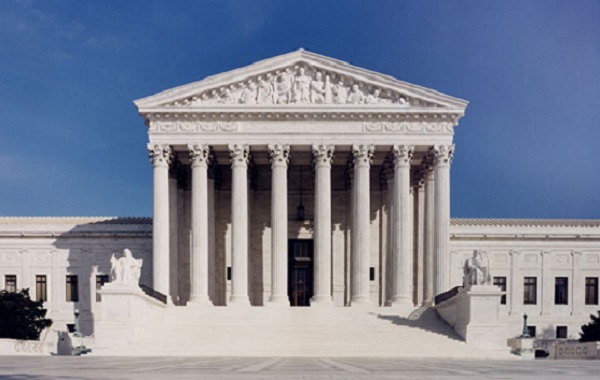
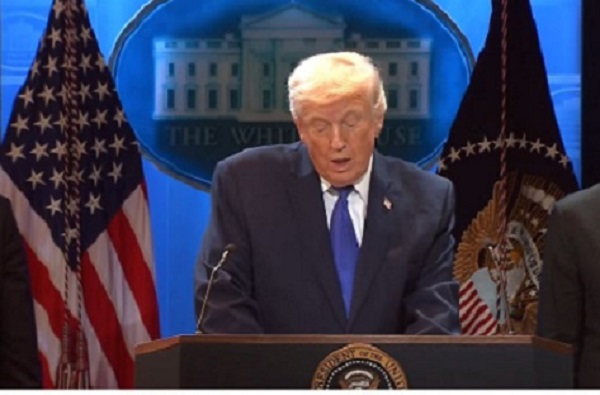
The US President Donald Trump has responded to a major legal defeat over his trade policies by announcing a new temporary global import duty. The move comes after the US Supreme Court on Friday struck down a large portion of his earlier sweeping tariff regime, ruling that the President had exceeded his authority under a 1977 emergency law.
Following which, Trump administration invoked Section 122 of the Trade Act of 1974 to impose a 10% ad valorem import surcharge on a wide range of goods entering the US, effective Tuesday for 150 days. This statute permits the president to levy temporary duties or quotas if the country faces serious balance-of-payments deficits or similar international financial strains. Under Section 122, the rate can go up to 15% but must remain temporary and is limited to this 150-day window unless extended by Congress.
The White House fact sheet says the surcharge is designed to stem the outflow of US dollars to foreign producers, encourage domestic production and correct persistent trade imbalances, thereby boosting American jobs and lowering consumer costs. It also underscores that import restrictions are key tools to protect the US economy and national interests.
While the 10% surcharge applies broadly, the announcement lists extensive exemptions. These include critical minerals, energy products, certain agricultural staples like beef and tomatoes, pharmaceuticals, select electronics, vehicles and parts, aerospace products, and informational materials. Goods already subject to Section 232 national security tariffs or covered by free-trade agreements with Canada and Mexico are also exempt.
This policy shift was prompted by the Supreme Court’s ruling that Trump had overstepped his authority by using the International Emergency Economic Powers Act (IEEPA) to justify broad tariff impositions. Under the IEEPA, which was meant for genuine national emergencies, the justices decided that unilateral tariff measures were not authorised, rendering many of his earlier emergency tariffs invalid.
The Supreme Court decision left intact existing tariffs imposed under other laws, including high duties under Section 232 on steel and aluminium and certain auto components, and did not affect about 40% of imports that had been exempt from the now-invalidated reciprocal tariffs.
Trump publicly condemned the court’s decision as “deeply disappointing” and criticised individual justices. In response, his administration is also launching new investigations under Section 301 of the Trade Act of 1974 to address unfair trade practices by foreign partners. These probes could lead to additional tariffs or trade restrictions over time.
For major trading partners, including India, the new 10% surcharge will apply unless they fall under an exemption or are covered by preferential trade agreements. BBC reported that a White House official said countries that previously reached trade deals with the US, including the UK, India and the EU, will now face the global 10% tariff under Section 122 rather than the tariff rate they had previously negotiated.
More From BasisPoint