.png)

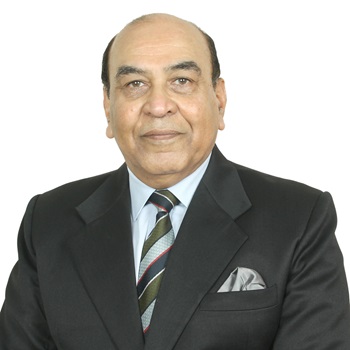
Lt Gen Syed Ata Hasnain is a former Commander of India’s Kashmir Corps and Chancellor of the Central University of Kashmir.
February 28, 2026 at 4:37 AM IST
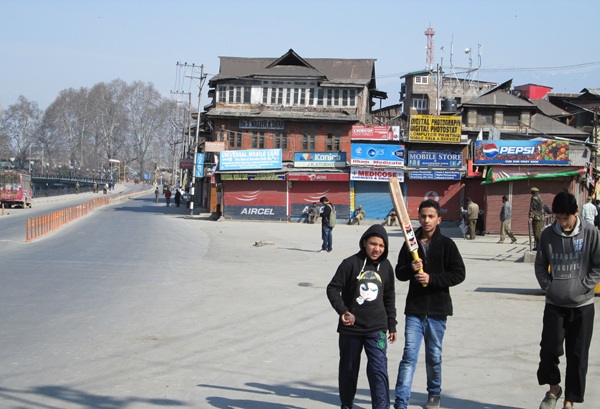
The trigger for this recall is the entry of J&K into the finals of India’s most important red ball cricket tournament, the Ranji Trophy and the splendid performance of the team in the match. But we go back to 2011, the year India lifted the ICC Cricket World Cup. The nation exhaled in joy. IPL 4 followed, a cascade of high-octane matches under floodlights. And then it all ended. I, an ardent cricket fan, remember feeling oddly bereft. I was serving in Kashmir at that time, in an environment still scarred by terrorism and street turbulence. Competitive cricket had just enthralled the country; but in the Valley, public space often meant confrontation.
One evening at the officers mess, I confessed to fellow officers that I could watch just any cricket, to lift the mood. Someone quipped, half-seriously, “Why don’t we have our own tournament?” We laughed. But that quip stayed with me.
Kashmir had everything cricket demands. The pitches favoured fast bowling. Street cricket thrived in towns and villages alike. Youngsters possessed instinctive flair and fierce competitiveness. The cricket bat industry flourished too. The state had an established cricket association. What seemed absent was structured opportunity—and the confidence that one of their own could rise to the highest levels.
The next morning, I asked who had made the suggestion about our own tournament. No one remembered; it did not matter either. The idea had taken hold. We, the Army, decided to organise a tournament at scale. We called it the Kashmir Premier League.
Funds from the civic action head were committed. Close to 390 matches were played. Teams received proper uniforms and new equipment. There were umpires, scorers, fixtures, and awards. “Man of the Match” meant something. The teams carried evocative names—Srinagar Sherdils, Anantnag Arsenal—blending local pride with global imagination.
Interest surged beyond expectation. Local Doordarshan covered the matches, even offering live commentary. Grounds, once tense, became spaces of applause and debate. Tea stalls hummed with discussions about batting orders rather than shutdown calls. For almost three months, cricket altered the Valley’s rhythm. Thousands were engaged—playing, watching, analysing.
The Army ended up organising much of it. That was never our preferred model. Ideally, civil society must own its platforms. But those were years when institutional capacity was fragile. Waiting for perfect conditions would have meant doing nothing. So, we stepped in—not to dominate, but to incubate.
For a miserly sum, we bought breathing space. It is difficult to quantify such outcomes in audit language, but the impact was palpable. Young men who might have drifted towards the streets found purpose on the pitch. Parents began to see cricket not merely as recreation but as aspiration. Coaches started speaking of fitness standards, selection trials and the Ranji Trophy as realistic goals.
The then Chief Minister appreciated the initiative and encouraged its continuation. The league ran for two seasons. Thereafter, funding questions arose. The peace dividend of sport is not easily captured on balance sheets. The tournament paused. Yet something irreversible had been set in motion.
Word spread. Writers and public figures commented on this experiment in sporting outreach. Teams from across India sought to play in Kashmir. One notable initiative came from Mr. Mudar Paterya of Kolkata, a philanthropist and master communicator who brought a team of veterans to the Valley, gifted an ambulance to our base hospital, and later invited three Kashmiri teams to play at Eden Gardens. For those young cricketers, stepping onto that iconic ground was transformative. They returned not with tales of alienation but of acceptance and camaraderie.
Among the players who emerged from this ecosystem was Parvez Rasool, who went on to represent India and feature in the IPL. Today, promising fast bowlers and disciplined batters from districts across the Union Territory are knocking on higher doors. Each carries forward a belief that once needed nurturing.
Now, as Jammu & Kashmir play the final of the Ranji Trophy—India’s premier domestic competition—the moment feels both extraordinary and logical. Extraordinary, because few would have predicted such progress in the turbulent years that the Valley saw. Logical, because talent, once structured and encouraged, tends to surface.
This is not merely a sporting milestone. In conflict-affected regions, the first casualty is often self-esteem. Suspicion seeps into daily life. Young people internalise ceilings. Sport dismantles those ceilings quietly. It restores dignity without rhetoric. It aligns local pride with national participation.
The Kashmir Premier League did not solve political complexities. It did something subtler. It reclaimed public space for constructive energy. It invited young men to measure themselves against standards of excellence rather than narratives of grievance. It asked a simple question; why should the next Indian cricketer not come from Sopore, Baramulla or Anantnag?
The Ranji final is the visible crest of a deeper tide. A generation has grown up seeing state representation as attainable. Wearing whites is not symbolic; it is competitive. The aspiration to play for India is articulated openly, without hesitation.
Reaching the Ranji final and perhaps winning it, may yet be a stepping stone to even greater glory. Beyond that lies the larger dream; producing consistent national-level cricketers judged solely on merit. When that happens—and I believe it will—the journey will not have begun in a selection trial alone. It will have roots in a season when cricket briefly changed the Valley’s tempo. It’s the moments that led to the development of cricketers such as Auqib Nabi who is being tipped for national colours.
Sometimes, in places burdened by conflict, the most strategic interventions are not dramatic operations but quiet platforms of opportunity. In 2011, a casual remark in a mess bar led to one such platform. Years later, as J&K’s cricketers stand on the brink of domestic glory, it is evident that the willow can indeed speak louder than discord.
More From BasisPoint