.png)

Yield Scribe is a bond trader with a macro lens and a habit of writing between trades. He follows cycles, rates, and the long arc of monetary intent.
July 29, 2026 at 6:23 AM IST
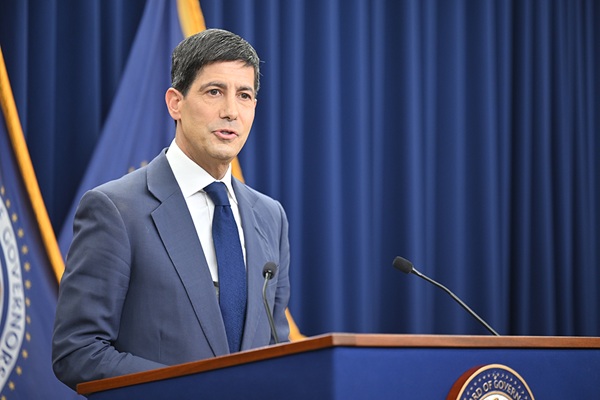
The July 2026 FOMC rate decision could be one of the closest calls in recent history. It bears an uncanny resemblance to the suspense before the 50-basis-point cut in September 2024, with one difference: this time, Nick Timiraos, widely regarded by markets as a ‘Fed whisperer’, has not published a report on the eve of the decision signalling the likely outcome.
In fact, there was no communication even before the Federal Reserve’s customary blackout period began ahead of the July meeting. Kevin Warsh’s new strategy of talking less and allowing market pricing to do more of the signalling has left markets assigning a 32% probability to a 25-basis-point increase today.
According to Bank of America, the Federal Reserve has never raised interest rates when markets have priced in less than a 60% probability of a move, based on federal funds futures data going back to 1994. Yet one can never say never with Warsh.
If he chooses to raise rates today, he may gain credibility, but financial markets could view the move as the beginning of a series of increases rather than a one-off event. That would lead to greater financial-market instability and higher US bond yields. It would also defeat the purpose of the increase. Markets have already tightened financial conditions by pushing US bond yields up by 30 basis points over the past month, and a rate increase today could add fuel to the fire and undermine macroeconomic stability.
A July rate increase also does not fit with the softer June CPI and PPI readings. The core PCE reading for June could come in at 0.18% when released Thursday, a pace consistent with annualised inflation near 2%, which also supports a hold. Softer-than-expected CPI and PPI data point to moderating supercore PCE inflation.
Easing tariff pass-through and residual seasonality should keep core PCE on a gradual disinflationary path. Year-on-year core PCE inflation could slow to 3.2% by year-end under the current methodology, or to around 3.0% after the Bureau of Economic Analysis’ planned methodological revisions in September. A 0.2% monthly core PCE reading would represent further progress towards the Federal Reserve’s inflation target and should reduce the likelihood of near-term rate increases.
There are also no signs of wage-induced inflation. The Employment Cost Index, the Federal Reserve’s preferred measure of wage growth, is expected to have slowed to 0.7% quarter on quarter in the second quarter from 0.9% in the first.
The recently-announced Section 301 tariffs add barely 1 basis point to the average effective tariff rate, taking it to 8%. This shows that the Trump administration is conscious of the need not to escalate tariff policy significantly as it focuses on affordability ahead of the November 3 elections.
From an employment perspective, the US economy has been in a low-hire, low-fire situation for some time. Consumer sentiment indices show that households hold an increasingly pessimistic view of job availability and future income growth.
Much of the US economy’s current growth is coming from artificial intelligence capital expenditure. Market estimates suggest that 60%–70% of recent real gross domestic product growth has been driven by such spending.
Growth Risks
With recent reports of circular financing and questions over the sustainability of artificial intelligence capital expenditure, the Nasdaq-100 Index has corrected by more than 10%, while the Philadelphia Semiconductor Index has entered bear-market territory, defined as a decline of 20% or more from its most recent record high. The outlook for US economic growth above 2% therefore appears questionable.
Based on the data alone, the case for a rate increase at today’s meeting is weaker than current market pricing suggests. Ultimately, today’s decision is entirely Warsh’s call. If he wishes to establish credibility and set a new benchmark for himself, he may opt for an increase.
Another factor is that a new Federal Reserve Chair traditionally does not raise rates before major elections because doing so could destabilise financial markets and add to the uncertainty. Warsh has also created five task forces comprising eminent figures, which are expected to submit their findings by December. This should allow him to hold rates today until he creates a new framework for Federal Reserve decision-making.
If he raises rates, markets are unlikely to treat the move as a one-off. They are already pricing in 50 basis points of increases over the next year. US bond yields could rise further, leading to a flatter yield curve and a sell-off in risk assets, particularly artificial intelligence-related shares.
The US dollar index could strengthen beyond its recent high of 102, while emerging-market currencies and the Japanese yen could suffer most. In India, a Federal Reserve rate increase could significantly affect the cost dynamics of the current foreign currency non-resident deposit mobilisation, increasing the probability of a rate increase at the Monetary Policy Committee meeting on August 5.
What is more interesting about today’s Federal Reserve decision is that Trump has tried to tone down the conflict in West Asia just a few days before the meeting. It appears to be a coordinated effort by the administration to ensure that energy prices cool as the FOMC meeting approaches. Is that a clue to what is likely to happen tonight?
More From BasisPoint