.png)


Dhananjay Sinha, CEO and Co-Head of Institutional Equities at Systematix Group, has over 25 years of experience in macroeconomics, strategy, and equity research. A prolific writer, Dhananjay is known for his data-driven views on markets, sectors, and cycles.
May 7, 2026 at 2:00 AM IST
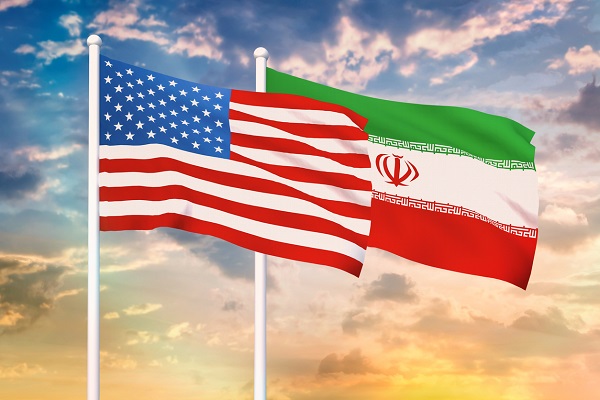
The United States’ unilateral decision to end “Operation Epic Fury” signals a turning point, not a resolution, in its confrontation with Iran. Presented by US Secretary of State Marco Rubio as the conclusion of the offensive phase, the move reflects a tactical pause rather than strategic closure. Financial markets may read this as de-escalation, yet the underlying geopolitical dynamics suggest the conflict has merely shifted form.
From a narrow military standpoint, Washington can point to tangible gains. Reports indicate substantial degradation of Iran’s conventional capabilities, including its missile arsenal, drone systems, naval strength, and air defences. Such outcomes, however, were always expected in an asymmetric conflict marked by overwhelming US technological and operational superiority. Tactical success, in that sense, was the baseline, not the endgame.
The more consequential question is whether these gains translated into durable political outcomes. Here, the evidence is less persuasive. Iran’s political system remains intact, its governing institutions continue to function, and there has been no regime collapse or meaningful shift in strategic posture. Despite leadership losses and infrastructure damage, Tehran has shown resilience, reconstituting authority and reinforcing internal cohesion.
This divergence between battlefield outcomes and political results is shaping the narrative contest. Iran has framed the halt in US operations as a retreat, arguing that Washington failed to impose its objectives. While partly rhetorical, the claim carries weight because core issues remain unresolved. The absence of Iranian concessions, particularly on its nuclear programme, weakens the US narrative of decisive success and lends credibility to Tehran’s claim of a moral victory.
A critical element of this continuing tension is the Strait of Hormuz. Iran’s capacity to influence this vital maritime corridor continues to offer strategic leverage. Control in this context is not about outright closure but about the ability to disrupt, delay, or condition flows. Even limited interference introduces uncertainty, embedding a persistent risk premium into global energy markets.
In the near term, markets are likely to respond positively to the reduction in active hostilities. A cooling of immediate geopolitical risk typically supports asset prices and suppresses volatility. This optimism, however, may prove fragile. Tehran has not formally endorsed the US declaration, and the absence of a negotiated settlement leaves the situation open to miscalculation or localised escalation.
Oil markets remain particularly exposed. Damage to energy infrastructure, combined with precautionary demand as countries rebuild reserves, could sustain elevated crude prices. A range of $90–100 per barrel appears plausible under current conditions, especially if Iran continues to exert influence over supply routes. For major energy importers such as India, this implies renewed pressure on inflation, corporate margins, and fiscal balances.
Beyond immediate market implications, the episode reflects deeper shifts in the global order. The confrontation with Iran sits within a broader pattern of geopolitical and geo-economic realignment. The evolving dynamics among the US, China, and Russia point to a more fragmented international system. Efforts by Washington to contain China’s technological and economic ascent, alongside growing discussions around de-dollarisation, indicate a gradual move away from a unipolar structure.
Within this context, the limits of US power are becoming clearer. Military dominance remains unquestioned, yet its ability to deliver lasting political outcomes appears increasingly constrained. The Iran episode highlights this disconnect. Despite overwhelming force, the US has not secured a definitive resolution, underscoring the challenge of converting tactical victories into strategic success.
Looking ahead, geopolitics is set to remain a persistent source of market risk. The end of Operation Epic Fury reduces immediate uncertainty but does not address the structural drivers of conflict. Disagreements over Iran’s nuclear ambitions, regional influence, and control of energy routes remain unresolved, leaving scope for renewed tensions and economic disruption.
The conclusion of Operation Epic Fury, therefore, represents less an endpoint than an intermission. Markets may welcome the pause, but the underlying risks continue to accumulate. The cycle of confrontation has not been broken, only deferred.
More From BasisPoint