.png)

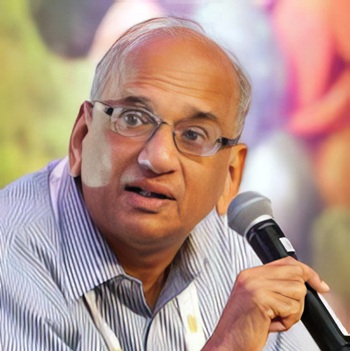
Chandrashekhar is an economist, journalist and policy commentator renowned for his expertise in agriculture, commodity markets and economic policy.
June 3, 2026 at 5:23 AM IST
While there is no argument against fixing aspirational crop production targets, the context is critical. And for the year 2026-27, the Union Ministry of Agriculture and Farmers’ Welfare seems to have overlooked this critical aspect.
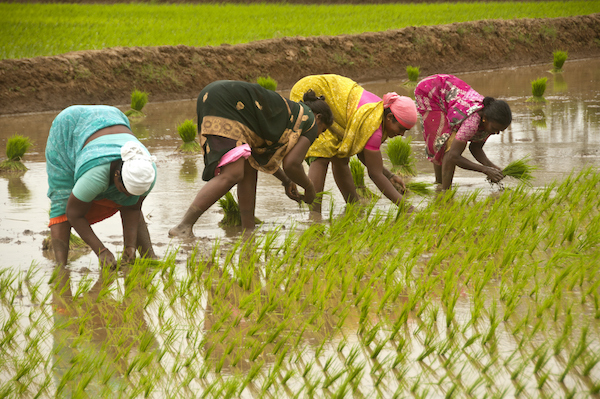
For the 2026-27 Kharif season, the looming El Nino threatens to unleash dry conditions during the crucial months from June to September, coinciding with crop planting, growth and harvest. The India Meteorological Department has downgraded its rainfall forecast from the initial 92% to 90% of the long period average of 870 millimeters. Without satisfactory spatial and temporal rainfall distribution over the four-month period, Kharif crops - rice, coarse cereals, pulses, oilseeds and cotton - will most certainly fall well short of the production target.
Major reservoirs across the country are currently at less-than-satisfactory capacities, especially in the eastern and southern regions, making crop production targets more vulnerable. Subsoil moisture in large parts of the country is also far from encouraging following the severe heat wave this year.
For cotton, a key cash crop, production target for 2026-27 has been set at 336 lakh bales (1 bale is 170 kg), far higher than the previous year’s harvest size of 290 lakh bales. Interestingly, this target is despite the fact that the cultivated area and production of cotton has been shrinking for the last three years. How production will rebound 15% in this challenging year is anybody’s guess as the government has outlined no actionable strategy.
The targets and policies reflect poor coordination within the government, especially the ministries of agriculture, food, commerce and finance. Overcoming these headwinds demands a comprehensive and multi-pronged policy approach which will balance the interests of the primary producers and the consumers.
More From BasisPoint