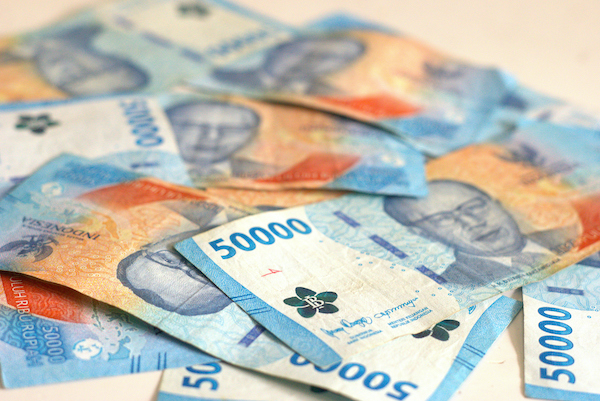
Indonesia’s central bank, seeking to stabilise the rupiah and contain inflation risks arising from global market volatility and geopolitical tensions, today raised interest rates for the first time in over two years.
Bank Indonesia raised its benchmark seven-day reverse repurchase rate by 50 basis points to 5.25%, ending an extended pause in monetary tightening.
The move comes as the Indonesian rupiah weakened sharply against the US dollar amid rising concerns over capital outflows, higher global yields and escalating tensions in West Asia. The currency touched a record low of 17,745 per dollar in morning trade today before recovering partially to around 17,600 after the policy decision.
The rupiah has declined around 6% against the US dollar so far in 2026 and about 5% since the start of the West Asia conflict, making it among the weakest-performing emerging Asian currencies during the period.
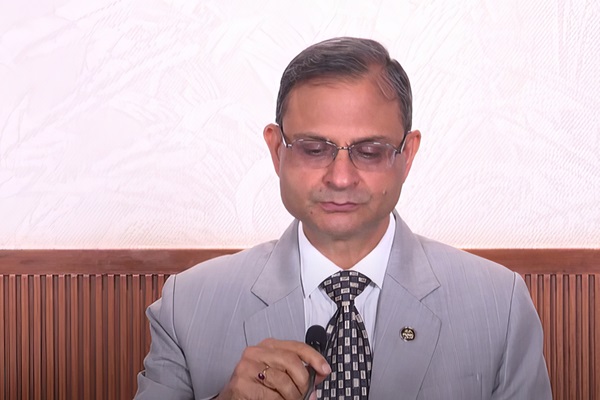
"The increase is a further step to strengthen the stabilisation of the rupiah exchange rate amid global volatility due to the Middle East war, as well as a pre-emptive measure to keep inflation within the target range in 2026 and 2027," Governor Perry Warjiyo said in an online press conference, according to Reuters.
The rate hike signals a shift in Bank Indonesia’s policy stance after maintaining steady rates for more than two years to support domestic economic growth. Policymakers are now balancing growth considerations against risks from imported inflation and currency depreciation.
Pressure on Asian currencies has intensified in recent weeks as investors moved toward dollar-denominated assets following uncertainty linked to the conflict in West Asia and expectations that interest rates in the US could remain elevated for longer.
.png)