.png)

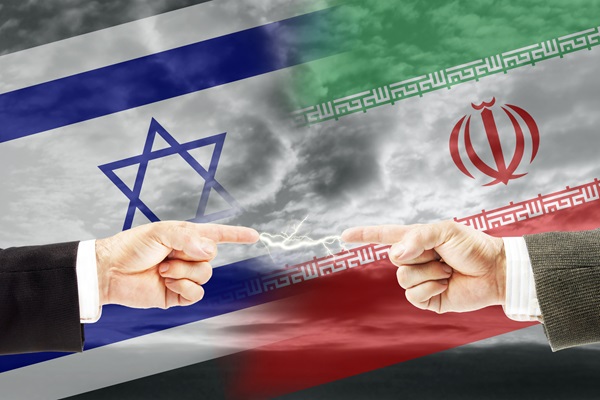
Asian Equities Advance Amid Fragile Iran-Israel Truce
Here’s your quick read to start the day: a chatty, no-fuss look at overnight moves, the big story, what’s on the docket, and the tickers you need to watch.
June 9, 2026 at 1:45 AM IST
GLOBAL MOOD: Cautiously Risk On
Asian markets displayed a cautious risk-on tone on Tuesday, with investors selectively returning to equities after signs that Iran and Israel had temporarily halted direct attacks. Japan's Nikkei gained more than 1% while South Korea's Kospi rebounded sharply by 4%, reflecting improved risk appetite after fears of a broader regional conflict eased.
The shift in sentiment was driven by comments from US President Donald Trump suggesting that Israel and Iran were seeking an immediate ceasefire, alongside signals from Tehran that military operations had been paused. However, investors remained wary as Iranian officials warned that hostilities could resume if Israel continued operations against Hezbollah in Lebanon.
Markets were also digesting the economic implications of the latest flare-up. Oil prices initially surged as much as 5% on supply disruption fears before retreating as tensions appeared to cool. The easing in crude prices and moderation in safe-haven demand for the dollar helped support equity markets.
Despite the rebound, sentiment remains fragile. The latest exchange of strikes highlighted the vulnerability of the ceasefire and raised questions over the durability of broader US-Iran negotiations. Investors continue to closely monitor developments in West Asia, with energy security, inflation risks and geopolitical stability remaining key drivers of market direction.
THE BIG STORY
Iran and Israel said on Monday they had halted attacks on each other following an appeal from Donald Trump, offering temporary relief to markets after the most recent confrontation between the two countries since April. However, Tehran warned that hostilities could resume if Israel continued military operations against Hezbollah in Lebanon, highlighting the fragile nature of the de-escalation.
The flare-up threatened broader US-led efforts to secure a deal with Tehran to end the conflict. Oil jumped as much as 5% after the strikes, then pared gains after Iran said its first retaliatory wave had ended. The dollar also eased from two-month highs as safe-haven demand cooled. Reports said Tehran fired missiles at Israel late Sunday in response to Israeli strikes on Hezbollah positions near Beirut. Israel then hit Iranian air defences and a petrochemical facility it said was tied to ballistic missile production. Iran’s Revolutionary Guards later said they struck a similar facility in Haifa.
The renewed attacks also highlighted tensions between Washington and Israel over Iran talks. Despite Trump urging restraint and calling on Israel to stop, Israeli forces struck inside Iran for the first time since the April ceasefire. Analysts saw the move as an attempt by Israel to strengthen its hand in diplomacy with Tehran. The escalation raised fresh doubts about the ceasefire’s durability in West Asia and kept markets focused on geopolitical risks, energy security and inflation.
Data Spotlight
US one-year inflation expectations eased to 3.5% in May from 3.6% in April, while expected price gains slowed for gasoline, medical care and college education. Gasoline inflation expectations fell to 5%, and medical care inflation expectations fell to 8.9%.
Still, expectations for key household costs rose, food inflation increased to 5.8%, rent jumped to 7.4% from 6%, and home price expectations climbed to 3.5%, the highest since July 2022. Longer-term inflation expectations held steady at 3.1% over three years and 3% over five years. Spending expectations eased to 5%, earnings growth stayed at 2.7%, and unemployment concerns edged down to 43.2%.
Takeaway:
Although near-term inflation expectations moderated slightly, persistent concerns over food, housing and rent costs suggested underlying inflation pressures remained sticky, reinforcing expectations that the Federal Reserve could maintain a restrictive policy stance for longer.
WHAT HAPPENED OVERNIGHT
- US Stocks rebound as chipmakers surge and West Asia tensions ease
- Dow fell 0.16%, S&P 500 gained 0.30%, and Nasdaq climbed 0.86% as investors bargain-hunted after Friday's selloff.
- The Philadelphia Semiconductor Index jumped 5.6%, rebounding after last week's rout wiped out more than $1 trillion in chipmakers' market value.
- Iran and Israel halted attacks following a Trump appeal, easing geopolitical fears that had rattled markets.
- Intel surged 11.2% on reports that Google placed an order for over 3 million tensor processing units in 2028.
- Marvell Technology jumped 9.6% after being confirmed as a new S&P 500 addition, effective June 22.
- Apple fell 1.9% despite unveiling AI upgrades to Siri at WWDC, as investors appeared to sell on the news.
- Eli Lilly gained 1.6% after its next-gen obesity drug retatrutide showed added benefits in reducing sleep apnea severity.
- SpaceX's upcoming IPO on Friday looms as a key market test amid concerns over potential overexuberance.
- Dow fell 0.16%, S&P 500 gained 0.30%, and Nasdaq climbed 0.86% as investors bargain-hunted after Friday's selloff.
- US Treasury climb to two-week high on rate hike bets
- US 10-year Treasury yields rose to 5.46%, the highest over two weeks, on expectations of elevated interest rates by the Fed.
- Inflation data due Wednesday is expected to breach the 4% mark, adding to the case for higher-for-longer rates.
- Strong job growth above recent averages gives the Fed room to keep its restrictive policy stance.
- A resilient labour market, with job growth holding above recent averages, is adding leeway for the Fed to keep rates at restrictive levels to combat inflation.
- Rate futures pointed to at least one hike this year, even as an Israel-Iran ceasefire pledge eased energy prices.
- US 10-year Treasury yields rose to 5.46%, the highest over two weeks, on expectations of elevated interest rates by the Fed.
- US Dollar slips below 100 as West Asia tensions ease slightly
- The dollar index edged below 100 after hitting a session high of 100.2, as traders weighed evolving West Asia developments.
- Iran paused strikes on Israel but warned of resumption if Lebanon operations continue, while Trump flagged progress on ceasefire talks and a broader Iran deal.
- Oil prices pared earlier gains amid ceasefire hopes, though inflation concerns over a prolonged conflict kept sentiment cautious.
- Markets now price a 52% chance of a Fed rate hike as soon as October, with US CPI and PPI data this week in focus for inflation cues.
- The dollar weakened broadly, with the steepest losses against the Australian dollar and Japanese yen.
- The dollar index edged below 100 after hitting a session high of 100.2, as traders weighed evolving West Asia developments.
- Oil prices pare sharp gains as Iran-Israel ceasefire halts session rally
- Brent crude settled $1.16 higher at $94.25/barrel, and WTI rose 76 cents to $91.30, well off earlier session highs of over 5%.
- Prices surged initially after Israel struck a petrochemical plant in Iran and Iran’s Islamic Revolutionary Guard Corps retaliated with a strike on a facility in Haifa.
- Iran and Israel halted attacks following a Trump appeal, though Tehran warned strikes would resume if Israel continued hitting Hezbollah in Lebanon.
- Brent has risen 31% and WTI 37% since the conflict began just over 100 days ago, with Brent peaking above $126/bbl in April.
- Iran's ambassador to Moscow said the Strait of Hormuz would remain open but subject to transit fees set by Iran and Oman, keeping supply concerns alive.
- Yemen's Houthis said they would ban Israel-linked ships from the Red Sea, adding further pressure on global shipping and energy flows.
- OPEC+ agreed its fourth output target hike in four months, but analysts said the move would have near-zero physical impact as most members cannot meet existing targets.
- Saudi Arabia cut its official selling prices for crude to Asia for a second consecutive month amid sluggish demand.
- Brent crude settled $1.16 higher at $94.25/barrel, and WTI rose 76 cents to $91.30, well off earlier session highs of over 5%.
Day’s Ledger*
Economic Data
- Germany April Industrial Production Data
- US Weekly ADP Employment Data
- US May Existing Home Sales Data
- US EIA Short-Term Energy Outlook
Corporate Actions
- Hitech Corporation board to consider voluntary delisting
Tickers to Watch
- BHARTI AIRTEL / VODAFONE IDEA: Bombay High Court quashed the Centre’s one-time spectrum charge, ruling the government cannot retrospectively alter telecom licence financial terms.
- GRASIM INDUSTRIES: Approved ₹30.94 billion investment for Phase II Lyocell capacity expansion of 110 KTPA at Harihar, Karnataka, with commissioning targeted for 2028 and 2030.
- HCLTECH partnered with Google Cloud to launch an AI Innovation Zone in California to help enterprises scale AI applications.
- IRB INFRASTRUCTURE DEVELOPERS’s May toll revenue rose 25% YoY to ₹8.43 billion from ₹6.72 billion a year ago.
- JNK INDIA secured a large UAE order worth ₹1-3 billion from CC7 Emirates Engineering Solutions for waste gas handling systems.
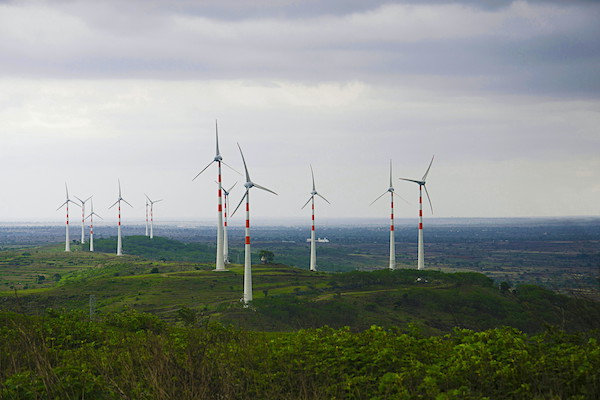
- JSW ENERGY commissioned its wind blade manufacturing facility at Halol, Gujarat, strengthening vertical integration of its wind energy business.
- NLC INDIA informed that government to sell up to a 3% stake via OFS at a floor price of ₹303 per share; issue opens June 9 for non-retail investors and June 10 for retail investors.
- PANACEA BIOTEC launched the DENSTAR project to support licensing of its dengue vaccine DengiAll in sub-Saharan Africa and accelerate global adoption.
- RAIL VIKAS NIGAM (RVNL) received a Letter of Acceptance for an EPC contract worth ₹2.21 billion from South East Central Railway.
Must Read
- Monetary Policy's New Catch-22
- Ten-Year Yield May Drift To 7.25-7.50% By March
- Capital Measures Buy Time, Credibility Wins Capital
- When Good News Turns Bad for Markets
- RBI Cannot Afford to Look Through This Shock
- FX Measures Could Attract Up to $75 Billion of Debt Inflows
- Cockroaches, Central Banks and the Business of Trust
- Beyond Signing FTAs: What India's Trade Strategy Needs Next
- The Limits of Military Technology?
See you tomorrow with another edition of The Morning Edge.
Have a great trading day
The RBI walks a tightrope with navigating the impossible trinity of inflation, growth and external stability. When it tries to fix one, the others turn rogue. Indian monetary policy, over the years, has been muddling around the sides of this triangle at different points in time.
Read this insightful essay by Arvind Chari - Learning to Live with Impossible Trinity - to get the complete picture on how the RBI veers from one to the other to keep the currency stable, inflation within its target range and growth on track.
More From BasisPoint