.png)


Phynix is a seasoned journalist who revels in playful, unconventional narration, blending quirky storytelling with measured, precise editing. Her work embodies a dual mastery of creative flair and steadfast rigor.
March 2, 2025 at 11:25 AM IST
Dear Reader,
While scrolling through The Washington Post, I stumbled upon a story that stuck like monsoon mud on white sneakers: Japan’s Missing Post Office. On a tiny island called Awashima, over 60,000 undelivered letters—birthday cards, love notes, New Year’s wishes—pile up in a weathered building. These are messages sent to addresses that no longer exist, ghosts of intentions that never reached their recipients. While heartwarming, it symbolises hope and longing.
These unfinished conversations are a haunting metaphor for today’s economic landscape, where grand plans risk becoming letters without recipients. Partly, the latest quarterly GDP print, and mainly some historical revisions glow on paper, but households remain cautious, argues Alok Kumar Mishra. While public investment and services buoy the numbers, the gap between headline resilience and ground-level hesitancy mirrors Awashima’s unclaimed letters: potential exists, but delivery falters.
This isn’t just an economic puzzle—it’s a human one. Imagine drafting a letter to your future self: “Dear 2030, please let there be jobs, affordable loans, and fewer geopolitical fireworks.” Now imagine it vanishes en route. That’s the unease lingering beneath India’s growth story.
Meanwhile, India just witnessed history: the Mahakumbh, a spiritual gathering that occurs once every 144 years, concluded earlier this week. Over 660 million devotees reportedly participated, making it the largest human congregation ever recorded. Chief Economic Advisor V Anantha Nageswaran called it a “significant boost” to March-quarter consumption, nudging India closer to 6.5% GDP growth for FY25.
Halfway across the world, another unfinished conversation unfolded: Ukrainian President Zelenskyy’s White House meeting with Donald Trump erupted into a public spat, with the latter reportedly accusing Zelenskyy of “gambling with World War III”. No deal, no statement—just a geopolitical stalemate. While the drama played out in Washington, it’s a stark reminder of how global instability can ripple into economies. For India, navigating these external shocks while reviving domestic demand is like tuning a radio during a storm—static threatens clarity at every turn.
The RBI, for its part, is fine-tuning its dial. Last week’s reversal of NBFC lending curbs was less a U-turn and more a careful recalibration, writes Dhananjay Sinha. With liquidity tightening and the rupee under pressure, the central bank juggles competing priorities: reviving credit without inflaming bad loans, easing consumer debt without spooking inflation. Sachin Malhotra adds context on how this move is a timely but cautious step to revive consumption, which accounts for about 60% of GDP. The gamble? Ensuring easier credit doesn’t snowball into bad loans.
The Monetary Policy Committee’s 25-basis-point rate cut offers relief, but as BasisPoint Groupthink notes, sustainable growth needs more than rate tweaks. Wage hikes, job creation, and private capex must sync like a well-rehearsed orchestra. Here’s where Srinivas Rao’s analysis strikes a chord: India’s “Viksit Bharat” vision hinges on a Goldilocks real interest rate—not too hot to fuel inflation, not too cold to freeze growth. Central banks globally face this dilemma, but for India, the stakes are higher.
Beyond rate cuts and policy recalibrations, India’s growth story is also shaped by quieter revolutions simmering beneath the noise. For instance, India’s pharma sector, facing US reshoring efforts via the PILLS Act, could mirror the IT industry’s pivot from outsourcing to innovation. As this piece argues, the move need not be a death knell but an invitation to ascend the value chain—think bespoke drug development over generic bulk.
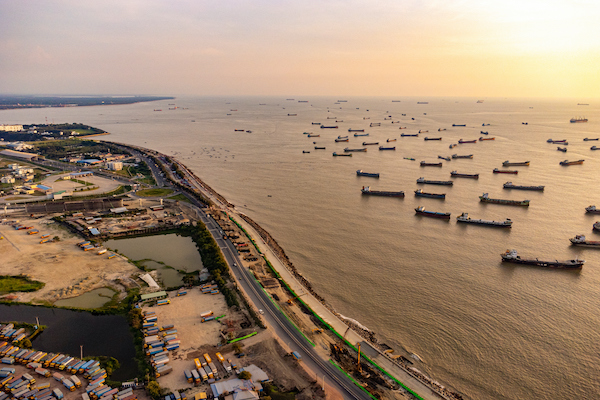
Then there’s freight electrification. With EV subsidies dwindling, Sharmila Chavaly’s proposal to redirect CSR funds toward port logistics is pragmatic genius. Imagine e-trucks humming around Nhava Sheva, slashing emissions and costs—a vision as refreshing as a sea breeze in Chennai’s summer heat.
Meanwhile, the financial ecosystem is pinning its hopes on innovation from SEBI’s new chair, Tuhin Pandey. With algo-trading norms, ESG scrutiny, and retail investor protections on his plate, his tenure could shape markets for years. Krishnadevan V’s call for fractional shares—a “sachet revolution” for equities—could democratise wealth creation, letting retail investors own slivers of high-value stocks. Think of it as Chinni Krishnan’s talcum powder strategy, but for portfolios.
And in case you missed it, revisit last week’s chat with veteran regulator G. Mahalingam on the rupee’s slide—now available as a YouTube deep-dive with Kalyan Ram. His insights, crisp and seasoned, dissect currency dynamics with the precision of a master chef filleting a fish.
Also read sharp commentaries on the global world order on BasisPoint Insight:
Austerity Is Back – and More Dangerous Than Ever
What Should Be On The Global Financial Agenda?
Japan’s postmaster still guards those 60,000 letters, hoping for reunions. India’s policymakers face a parallel task: ensuring today’s economic blueprints—rate cuts, green freight, market reforms—don’t become tomorrow’s unanswered mail. The address? Viksit Bharat. The stamp? Urgency.
Until next time, navigating the fineprint of progress. By yours truly, who still writes postcards (and believes in delivering them).
Phynix
More From BasisPoint