.png)


February 3, 2026 at 7:31 AM IST
Moody’s Ratings said the India–US trade agreement, which will see Washington cut tariffs on most Indian goods to 18% from 50%, is likely to revive India’s merchandise export momentum and deliver selective credit benefits, even as sectoral and energy-related constraints cap the near-term upside.
In a note, the global ratings agency said the US remains India’s largest goods export market, accounting for about 21% of total shipments in the first eleven months of 2025. The rollback of steep tariffs imposed in August last year should support export volumes and margins, particularly for labour-intensive industries with high US exposure.
Moody’s identified gems and jewellery, textiles and apparel as the key beneficiaries, calling the tariff reduction credit positive for these sectors given their sensitivity to pricing and demand conditions. Pharmaceuticals and consumer electronics, however, are unlikely to see a material impact, as they had remained exempt from the elevated tariff regime and already enjoyed stable market access.
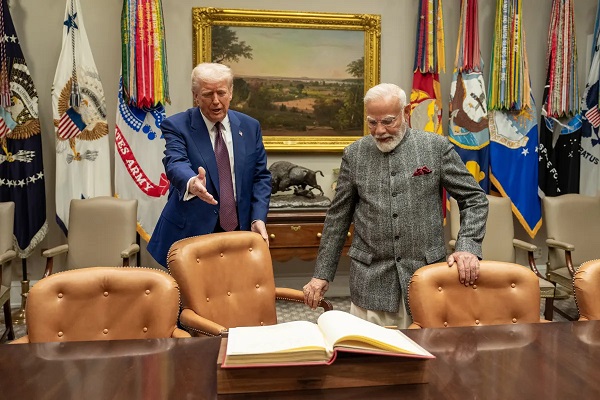
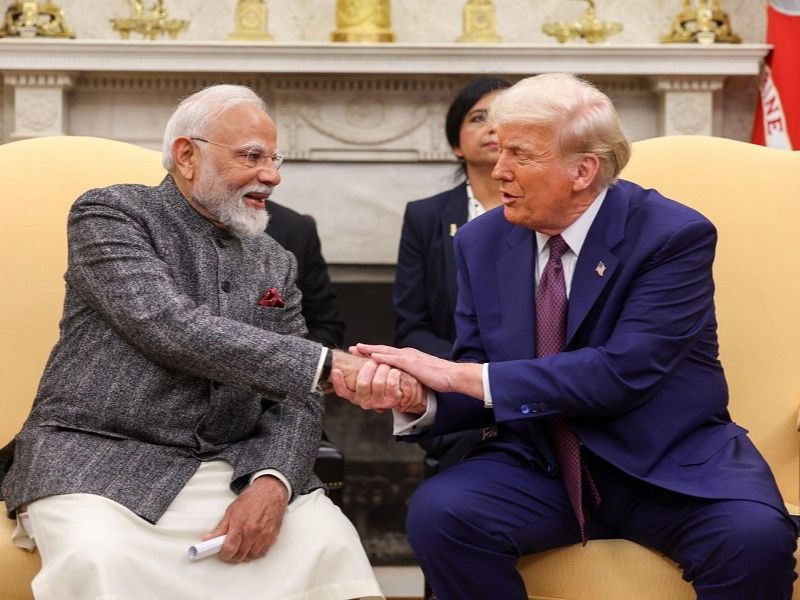
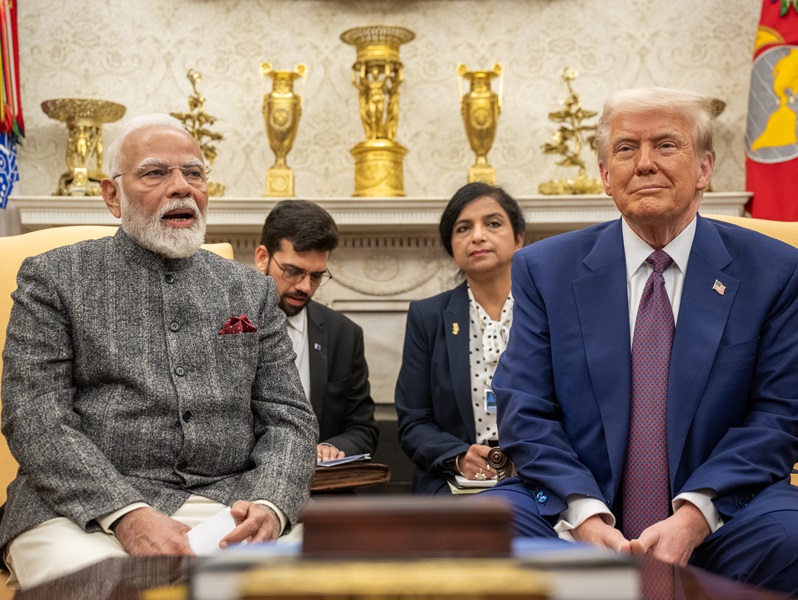
The assessment follows an announcement by Prime Minister Narendra Modi and US President Donald Trump of a reciprocal easing of trade barriers after a phone conversation on Monday, signalling renewed momentum in bilateral economic ties. Modi said the US would lower tariffs on Made in India products to 18%, describing the move as a boost to cooperation between the world’s two largest democracies and a catalyst for deeper commercial engagement.
Trump, in a parallel statement, said both sides had agreed to reduce reciprocal tariffs from 25% to 18%, while India would move toward eliminating tariffs and non-tariff barriers on US goods. He added that New Delhi had committed to sharply higher purchases of US energy, technology and agricultural products—exceeding $500 billion over time—and to reducing reliance on Russian oil.
On the energy front, Moody’s cautioned against expectations of an abrupt halt to Russian crude imports. While India has scaled back purchases in recent months, a rapid shift to alternative suppliers could disrupt growth, tighten global supply and push up oil prices. Given India’s position as one of the world’s largest oil importers, higher energy costs could feed through to inflation, partially offsetting gains from improved trade access.
More From BasisPoint