.png)


March 12, 2026 at 12:17 PM IST
India’s retail inflation rose to 3.21% year-on-year in February from 2.74% recorded in January, according to data released by the National Statistics Office.
The February release is the second inflation reading under the new CPI series, which replaced the earlier 2012 base year.
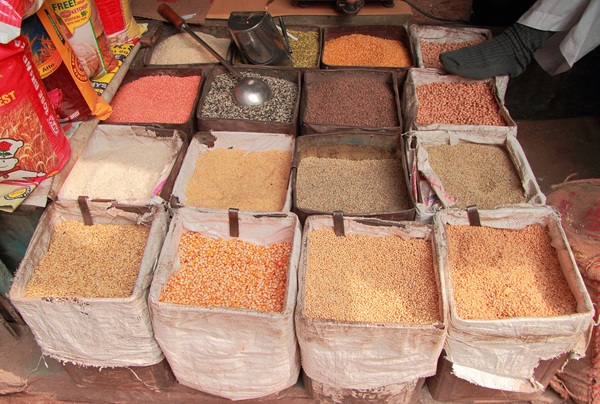
Food inflation rose to 3.47% in February from 2.13% in January. Rural food inflation stood at 3.46%, while urban food inflation was 3.48%. The rise in food inflation accounted for a large part of the increase in the headline index. Price pressures were evident in several vegetables and agricultural commodities on a year-on-year basis, even though month-on-month declines were recorded in some items, such as tomatoes, peas, and cauliflower.
Inflation in housing stood at 2.12% in February. The rate was 2.43% in rural areas and 2.00% in urban areas.
Personal care and miscellaneous goods recorded an inflation of 19.64%, the highest among major divisions. Paan, tobacco and intoxicants registered inflation of 3.49%, while the food and beverages category reported inflation of 3.35%.
Silver jewellery recorded inflation of 160.84% year-on-year, reflecting the sharp rise in bullion prices. Inflation in gold, diamond and platinum jewellery stood at 48.16%. Among agricultural products, copra prices rose 46.16%, tomato prices were up 45.29%, and cauliflower prices increased 43.77%.
Several food items recorded price declines compared with the previous year. Garlic prices fell 31.09%, onion prices declined 28.20%, and potato prices were lower by 18.46%, indicating the rise in food inflation is driven by a limited set of commodities rather than broad-based increases across the entire food basket.
Headline inflation has moved above the January level but remains below the medium-term target of 4%, indicating moderate price pressures under the new CPI series. Commodity-linked items will remain key drivers of inflation in the coming months, particularly as the US–Israel conflict involving Iran has disrupted maritime traffic through the Strait of Hormuz, a key corridor for global energy trade.
More From BasisPoint