.png)

September 14, 2026 at 11:10 AM IST
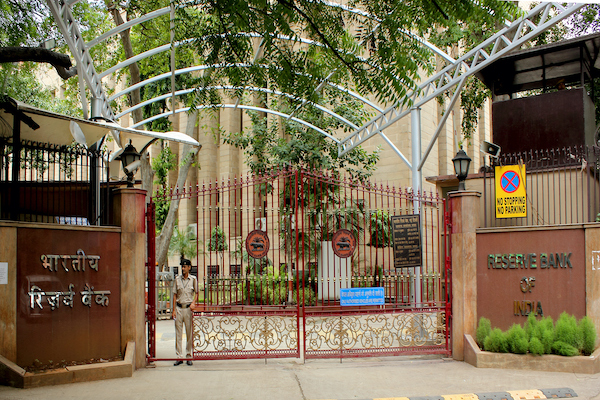
India’s retail inflation accelerated to a 20-month high of 4.82% in August, from 4.45% in July, as food price pressures intensified and inflation remained elevated across several non-food categories, strengthening the case for the Reserve Bank of India to reassess its policy stance.
The August print was broadly in line with the poll, which had projected a median headline CPI inflation of 4.80%, with estimates ranging from 4.70% to 4.90%. The poll had also estimated food inflation at a median 5.80% and core inflation at 4.10%.
The latest reading puts headline inflation 37 basis points above July, while food inflation accelerated to 5.95% from 5.52%. Rural inflation rose to 5.23% from 4.84%, while urban inflation increased to 4.31% from 3.96%.
On a monthly basis, the combined CPI index increased 0.7%, while the food index rose 1.2%, indicating that the August acceleration was not merely a base-effect story.
Food and beverages inflation rose to 5.66%, while clothing and footwear inflation stood at 3.56%. Housing, water, electricity and other fuels inflation was 2.61%, transport inflation 4.60% and education services inflation 3.73%.
More importantly, several service and discretionary categories continued to show elevated price pressures. Restaurants and accommodation services inflation rose to 8.38%, while personal care, social protection and miscellaneous goods and services inflation stood at 15.17%. Transport inflation was 4.60% and paan, tobacco and intoxicants inflation 4.71%.
The food data also point to continued price pressure across individual items. Onion inflation jumped to 48.27% from 22.54% in July, while garlic inflation rose to 43.60%. Ginger inflation remained high at 73.82%. Silver jewellery inflation was 107.11% and gold, diamond and platinum jewellery inflation 35.53%. Tomato prices, however, fell 31.09% year-on-year and potato prices declined 13.14%.
The combination of rising food prices and firmer non-food inflation raises the question of whether the inflation shock is becoming more generalised.
The August data provide some evidence of broader price pressures, particularly in services and personal care. However, the increase remains significantly influenced by food, while some volatile commodity components are also contributing to headline inflation.
For monetary policy, the print is more hawkish than July but does not automatically imply an October rate hike.
SBI Research, in a September 11 report, had already called for a 25-basis-point repo rate hike in October, followed by another 25-bps increase in December. Its call was independent of the August CPI outcome, although it had expected August inflation at 4.8%-4.9%.
SBI Research said CPI inflation was showing early signs of generalisation and warned that if crude oil prices remain elevated, inflation in October and November could move towards 6.5% or higher. It also expects crude prices could rise further amid geopolitical risks.
The August CPI therefore leaves the RBI facing a more difficult policy trade-off. A 4.82% headline print with food inflation close to 6%, alongside elevated service-sector inflation, keeps the inflation trajectory above the 4% target and raises concerns about second-round effects.
For the October MPC meeting outcome, the crucial question will be whether core and non-food pressures continue to build. If inflation remains broad-based and crude stays elevated, the case for a pre-emptive 25-bps hike will strengthen.
More From BasisPoint