.png)

April 17, 2025 at 6:19 AM IST
Fitch Ratings has revised down its global growth forecast for 2025 by 40 basis points to 1.9%, in the light of escalating trade tensions between the US and China. The projected growth rate for the world economy is now below 2% for the year, which would mark the weakest annual performance since 2009, excluding the pandemic years.
The downgrade follows a significant escalation in tariff measures, with bilateral tariff rates between the US and China now exceeding 100%.
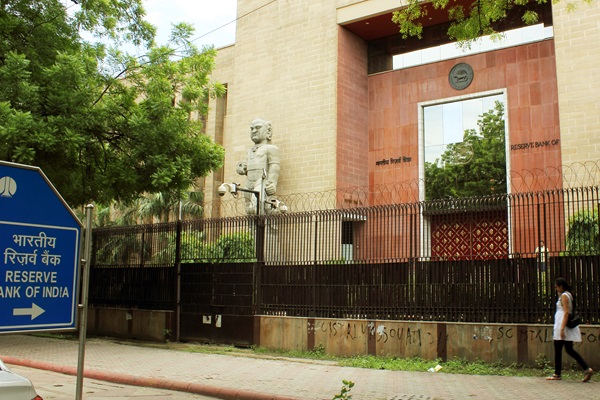
For India, Fitch has reduced its growth outlook for 2025-26 by 10 basis points, setting it at 6.4%. This follows the Reserve Bank of India’s own downward revision of its 2025–26 forecast by 20 bps to 6.5%. The Indian economy is expected to remain relatively resilient, but weaker global trade prospects and tighter external financial conditions are likely to moderate its momentum. The possibility of increased policy support, both fiscal and monetary, remains open depending on the domestic impact of global developments.
The US is expected to grow at 1.2% in 2025 on an annual basis, 50 bps lower than earlier forecast. However, quarterly growth will decelerate sharply, reaching just 0.4% year-on-year by the fourth quarter. The increase in the US effective tariff rate to 23%, the highest since 1909, has prompted concerns regarding supply chain disruptions and inflation. Import substitution and trade diversion options remain limited in the short term. Fitch now expects US inflation to exceed 4%, contributing to stagnant real wages and dampening consumer demand.
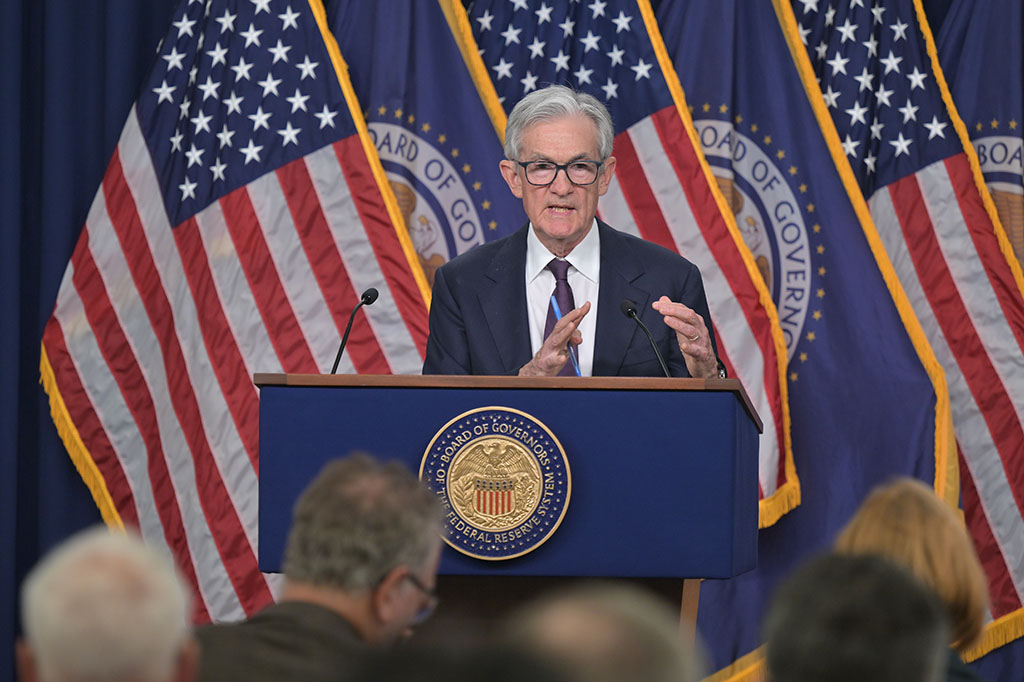
The escalation in tariffs has also increased uncertainty around business investment. Falling equity prices are impacting household wealth, while retaliatory tariffs from China are expected to weigh further on US exports. Despite the weakening growth outlook, the Federal Reserve is not anticipated to begin rate cuts until the final quarter of 2025. Rising import prices and medium-term inflation expectations are constraining its monetary policy options.
In China, economic growth is projected to fall below 4% in 2025, which is 50 bps lower from the rating agency’s March Global Economic Outlook. The country had previously experienced stronger-than-expected growth, supported in part by net exports. However, with limited short-term alternatives to US markets, exporters will face pressure. The housing sector remains in a slump, and deflationary risks persist. Policy easing—both fiscal and monetary—is expected to be expanded in response. The Chinese economy's external contribution to growth is likely to decline substantially, affecting wider Asian supply chains and global trade volumes.
The slowdown in the US and China—together accounting for nearly 40% of global GDP—has direct and indirect consequences for both advanced and emerging markets.
The eurozone is projected to remain under 1% growth for the year, reflecting both domestic constraints and external demand pressures. As the US dollar has weakened, other central banks, particularly the European Central Bank and those in emerging markets, are expected to pursue more aggressive rate cuts. Additionally, Fitch has reduced its oil price assumption for 2025 by $5, now at $65 per barrel, potentially easing inflationary pressures outside the US.
More From BasisPoint