.png)



Groupthink is the House View of BasisPoint’s in-house columnists.
February 6, 2025 at 8:44 AM IST
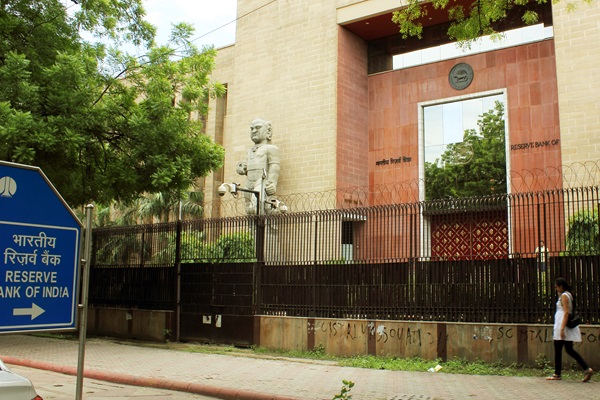
The Reserve Bank of India’s Monetary Policy Committee may or may not vote for a cut in the policy-repo rate Friday. Still, Governor Sanjay Malhotra has enough non-interest rate levers to support growth. These measures could prove crucial, particularly if inflation concerns or external risks restrain the MPC's ability to reduce rates.
One of the primary tools at the RBI’s disposal is regulatory easing. Over the last year, the central bank took a cautious stance on unsecured lending, increasing risk weights to curb what it saw as an unsustainable surge in personal loans and credit card debt. Between September 2021 and September 2023, unsecured loans expanded by 27%, far exceeding the broader credit growth rate. However, by September 2024, this had cooled to 16% following regulatory tightening. Given rising stress levels in unsecured credit, including microfinance and personal loans, a complete rollback of these measures appears unlikely. However, the RBI could make it more attractive for banks to lend, particularly for secured retail loans such as housing finance, which are less prone to systemic risk.
Another crucial tool is liquidity management. Over the past two years, loan growth has consistently outpaced deposit growth, pushing the credit-to-deposit (ratio to around 80%—a level that has made the RBI uneasy. To cool down lending, the central bank nudged banks to slow down their credit expansion, particularly in the unsecured loan segment. However, with deposit growth remaining sluggish, the RBI’s shift in monetary stance to neutral and its commitment to ensuring adequate liquidity could ease some of these pressures. This may allow banks to resume lending more freely, particularly in sectors such as micro, small, and medium enterprises (MSMEs) and agriculture, both of which are likely to benefit from recent budgetary announcements.
The broader macroeconomic backdrop also warrants consideration. Global factors, including geopolitical risks and currency volatility, have made monetary policy decisions more complex. Donald Trump’s tariff moves have unsettled global markets, contributing to rupee depreciation and capital outflows from India’s equity markets. A rate cut, under such conditions, could further narrow the India-US rate differential, potentially exacerbating capital flight. If the RBI chooses to maintain rates, it may instead focus on measures to stabilise the rupee and inject liquidity into the system, ensuring that credit growth does not falter due to deposit constraints.
Growth-supportive measures may also involve a closer alignment of credit policy with fiscal priorities. The government has laid out a roadmap to boost investment in infrastructure and manufacturing, and the RBI could facilitate this by nudging banks to lend more to these sectors. By directing liquidity towards productive investments rather than speculative borrowing, the central bank could provide an indirect but meaningful boost to GDP.
Despite these options, risks remain. The first signs of an asset quality downturn have begun to emerge, particularly in the retail lending space. A recent Financial Stability Report from the RBI highlighted a growing problem of loan stacking, where borrowers with personal loans and credit card debt also carry high-ticket secured loans such as housing or auto loans. Under current regulations, a default in one category results in all loans for that borrower being classified as non-performing. This raises concerns about potential spillover effects from stress in smaller loan categories to larger, more systemically important segments. If defaults rise, banks may become even more reluctant to lend, counteracting the RBI’s efforts to sustain credit momentum.
Ultimately, while a rate cut would be a symbolic boost to sentiment, it is not the only lever the RBI can pull. Regulatory easing, liquidity management, and a recalibration of credit allocation could all serve as effective tools to sustain economic growth. For now, the onus is on banks to respond. If they stand ready to lend, the RBI may find it has enough ammunition to support the economy without having to resort to an interest rate cut at all.
More From BasisPoint